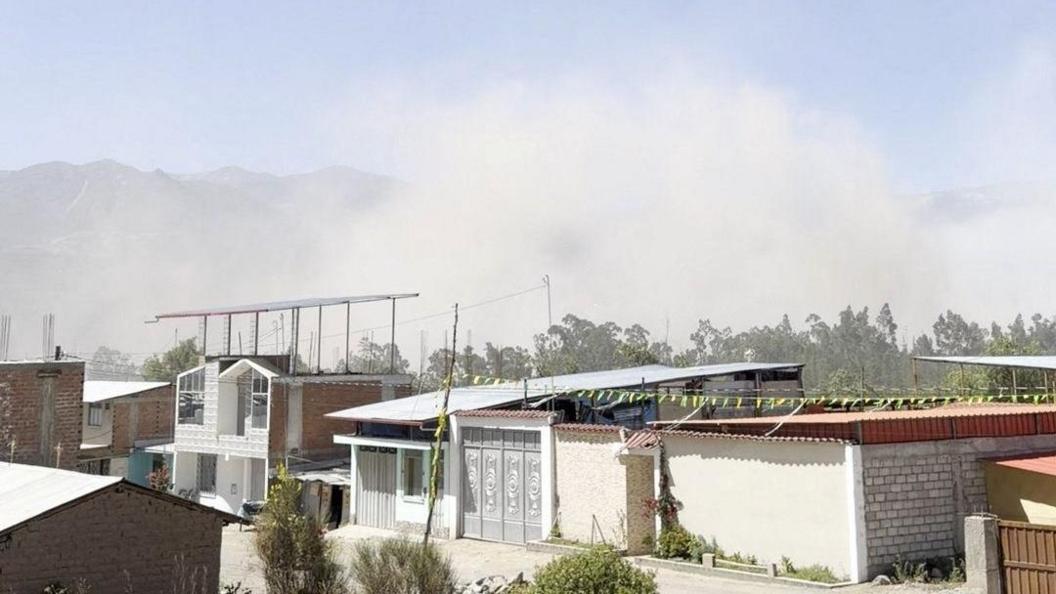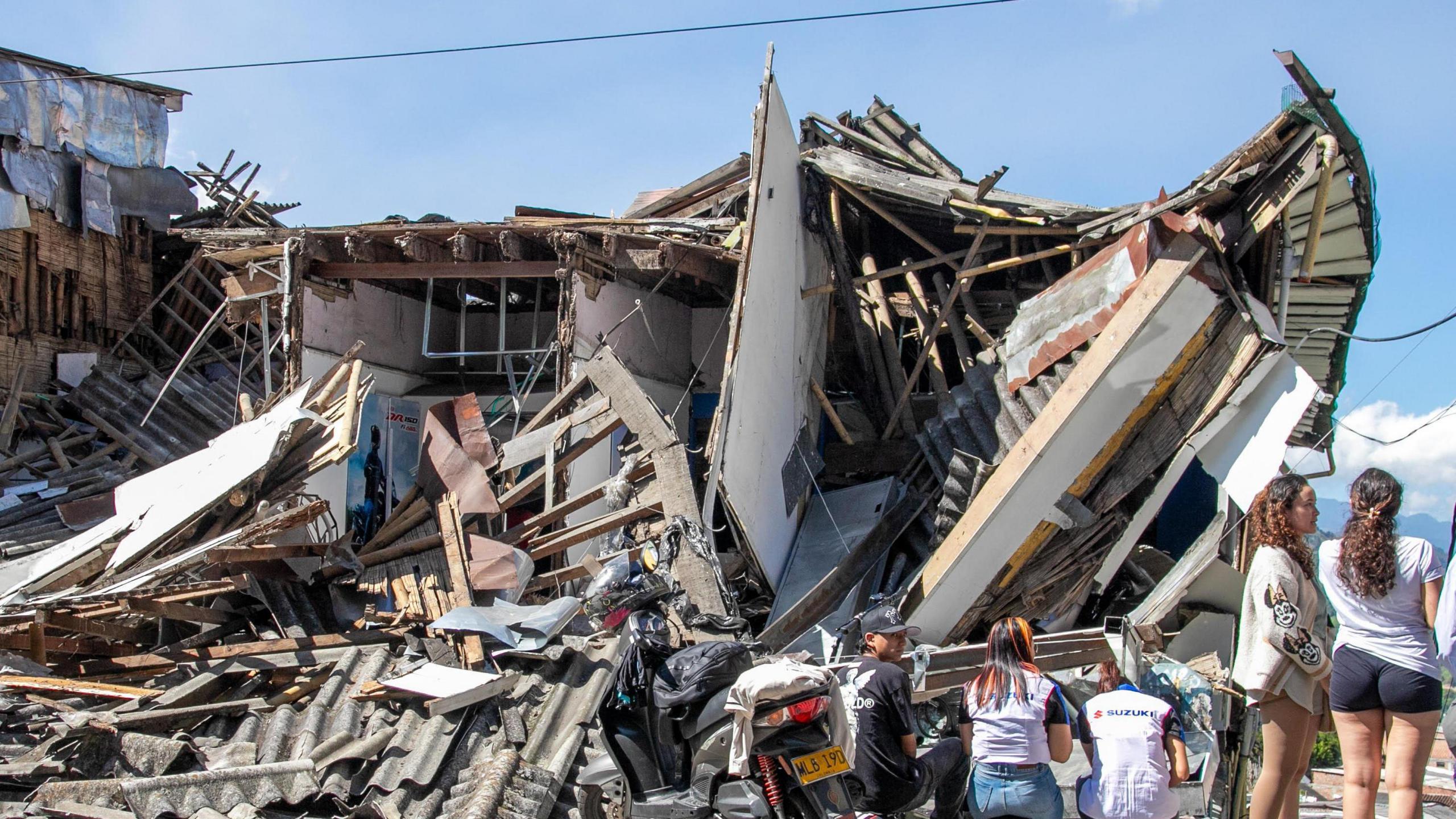
Colombia suffered its hardest quake in decades when a 7.4‑magnitude tremor struck on Monday morning, leaving at least 132 dead and injuring more than 480 people.
The earthquake hit at 07:34 local time (12:34 GMT) and was felt across hundreds of miles, shuddering cities from the Andes to the Pacific coast. The epicentre was near the village of San José del Palmar in Chocó province, at a depth of 103km.
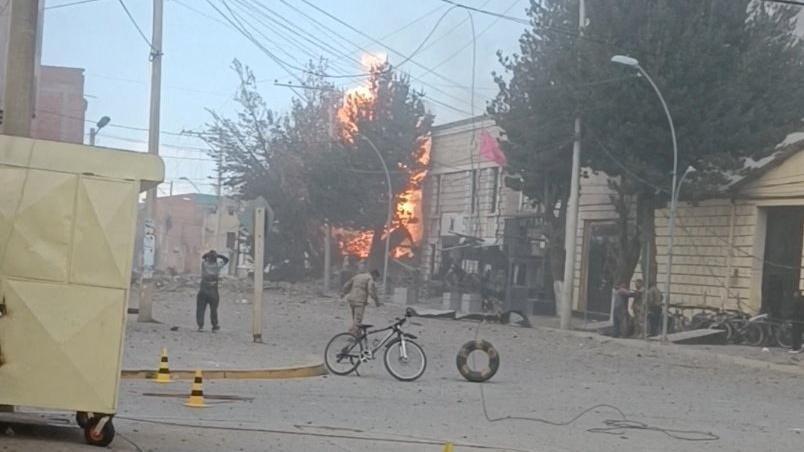
Pereira, the city in the coffee‑growing region, was the hardest hit: about 65 buildings collapsed, 15 appear to have trapped residents, and a curfew has been imposed until early Tuesday. Cali suffered 32 collapses, and in Manizales officials report two fatalities and widespread building cracks.
The Colombian president declared a national disaster, adding 1,500 damaged homes to the tally and giving emergency agencies the authority to reallocate budgets. International aid has already been pledged by the United States, the European Union, and neighbouring Venezuela.
Authorities warn that aftershocks are still possible, and urge communities to stay alert and heed evacuation orders. The quake highlighted the importance of strict seismic‑resistant building codes—which protect many structures but are still challenged by intense ground motion.