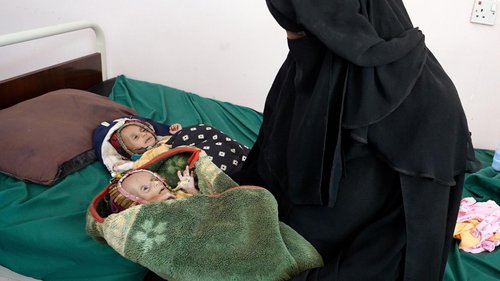
In brief
Bangladesh, once praised for near‑complete measles eradication, is now confronting a surge that has killed almost 750 people, mostly children, since March. The outbreak, driven by a mix of vaccine shortages, political upheaval and a collapsed routine immunisation programme, has strained hospital wards that can no longer accommodate patients. Emergency vaccination drives have slowed the toll, but the country still averages nearly 1,000 suspected cases daily. Experts warn that the numbers are the tip of an even larger crisis, underscoring the urgency of restoring robust vaccine supply and health infrastructure.
Children have begun to die in a nation that once boasted a 90% vaccination rate, according to recent WHO figures. Since March, almost 750 people—mostly young children—have died from measles, a disease that spreads via coughing and sneezing.
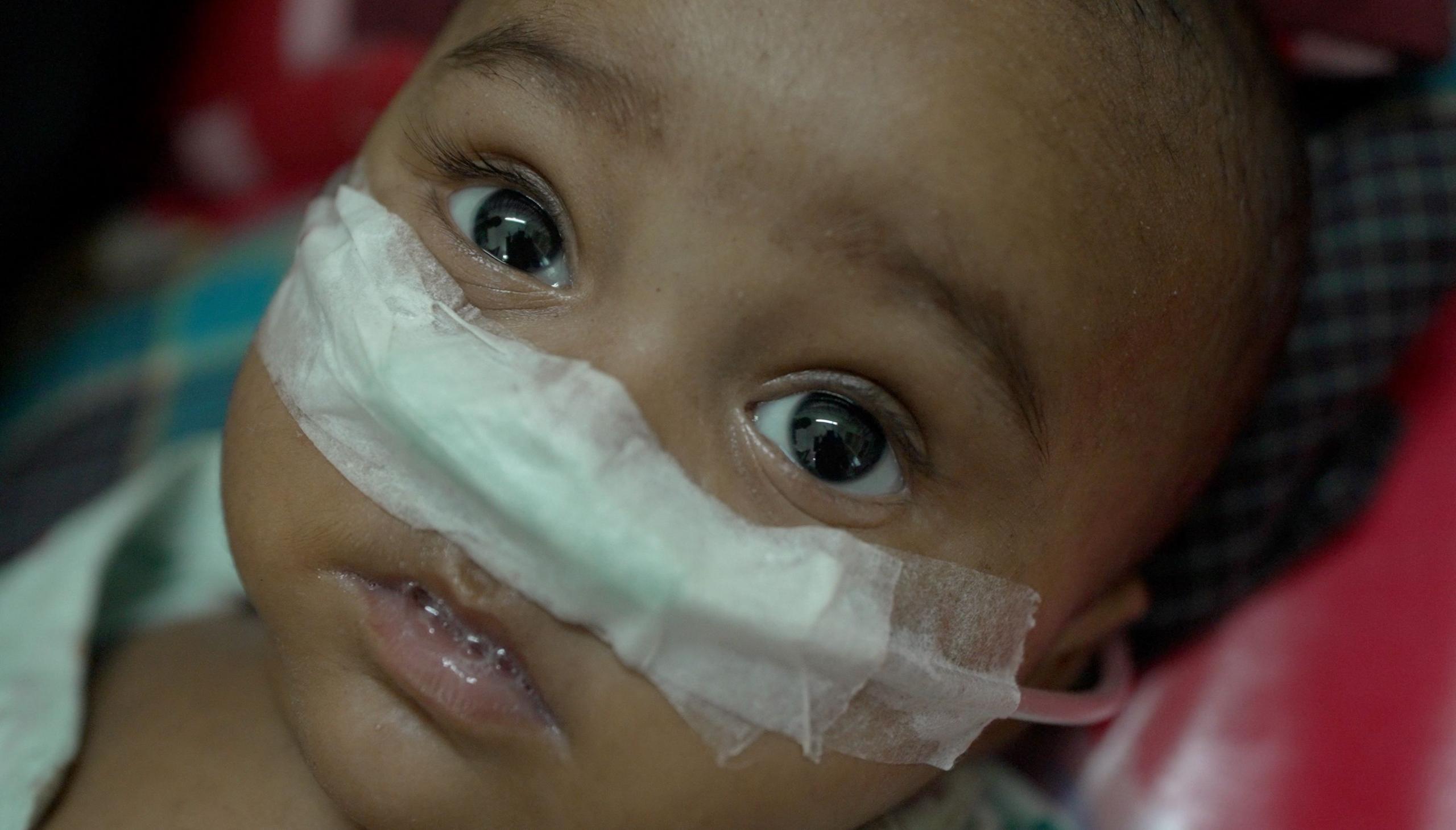
Capturing this tragedy, a photo shows baby Arafat lying on a floor, a feeding tube taped to his nose: a silent symbol of the thousands who have been infected and died in this four‑month span.
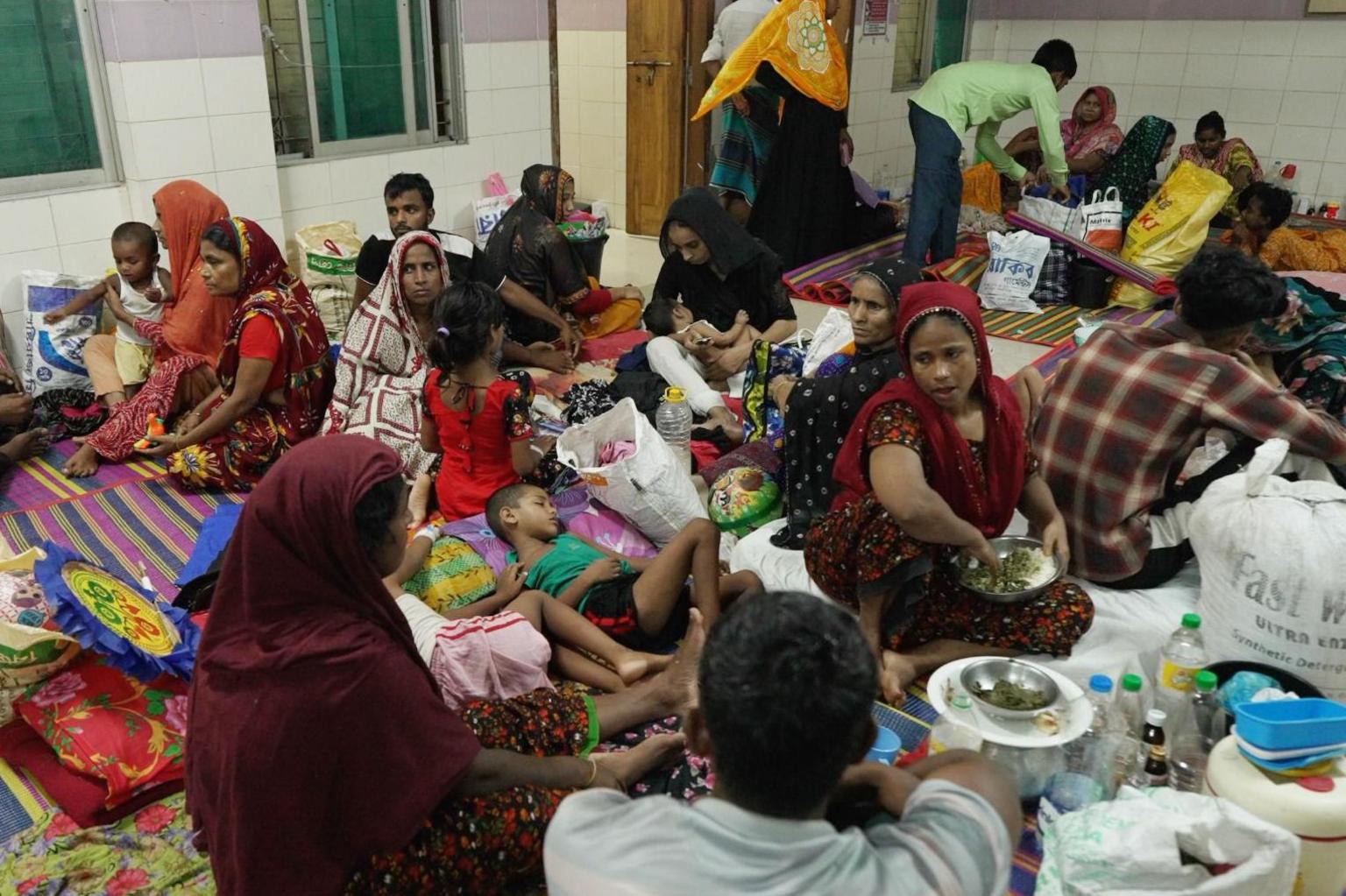
When the outbreak surged, hospitals such as Medical College in Mymensingh were more than twice full; 130 patients shared 32 rooms and many stayed on blankets on the floor.
Dr Mohammed Golam Mawla, a paediatrician who works in that ward, described the scene as “unprecedented”. He warned that despite vaccines being proven highly effective, this sudden wave upended decades of progress.
The root causes, according to UNICEF spokesperson Miguel Muñoz, include delayed vaccine orders during last year's political crisis and a halt in mass measles‑rubella campaigns since 2020. The COVID-19 pandemic further disrupted routine vaccination schedules, while holiday travel amplified community spread.
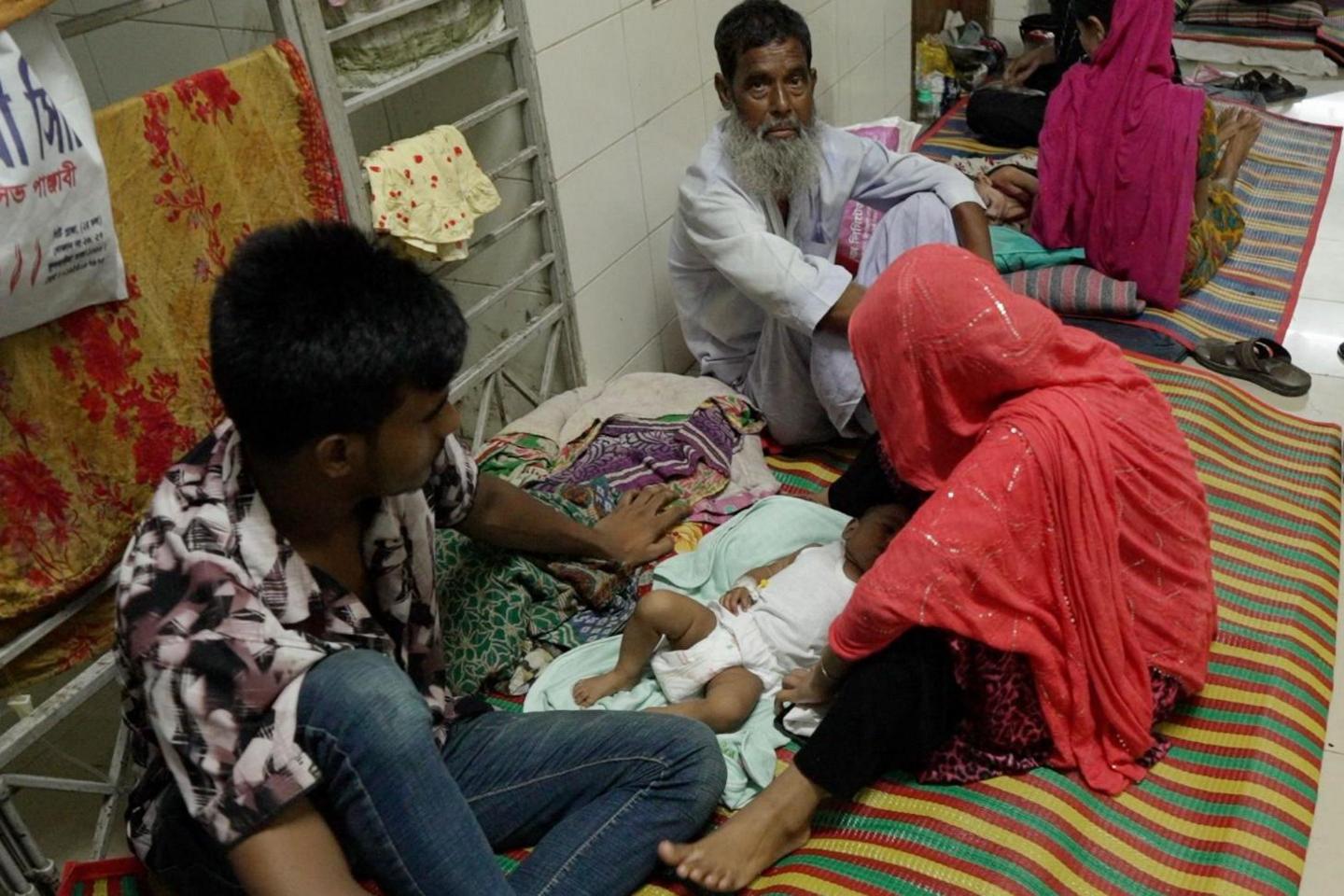
Families, such as that of 10‑month‑old Maliha, recount desperate trips between hospitals when beds ran short. Maliha’s condition deteriorated after a pneumonia diagnosis, and despite hospital transfers, she passed away after three days of treatment.
UNICEF and the Bangladeshi government launched an emergency vaccination campaign in April, inoculating over 18.4 million children. Although the death rate slowed, the country still records about 1,000 suspected cases each day.
Health Minister Sardar Sakhawat Hossain acknowledges the strain as expected in a nation of 170 million, but public health experts insist the crisis is “not an outbreak, it is an epidemic”. Skeptics of the official numbers argue that they likely under‑report the true toll.
While emergency shots have provided some relief, the situation remains dire: children are still dying daily and many lack basic protection against a preventable disease. The crisis underscores how vulnerable health systems can be when political upheaval and supply chain disruptions converge.