In brief
Ebola cases in east DR Congo began several months before the official declaration – a delay that WHO says has left the virus ahead of health teams. The Bundibugyo strain has infected 4 294 people and caused 1 960 deaths to date, marking it the second‑worst outbreak in the country’s history. Unrest in the region hampers access to care, leaving many patients untreated and traditional burial rites increasing transmission. While new treatment centres are improving diagnosis speed, the absence of vaccines or reliable drugs makes containment difficult.
Ebola Outbreak in DR Congo Accelerates Ahead of Control Efforts
Ebola virus cases traced back to February in the eastern province of Bukavu, far ahead of the May 15 official declaration, says Dr Mohamed Janabi, WHO’s Africa director. The timeline shows that communities have been battling the infection for months, with 4 294 confirmed infections and 1 960 deaths to date.
The outbreak is caused by the Bundibugyo species, which is harder to treat as no approved vaccine or medication exists. Insecurity, rumours and traditional burial practices compound the problem, leading to only about 30% of patients reaching formal care.
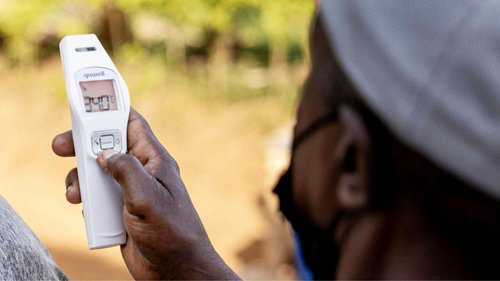
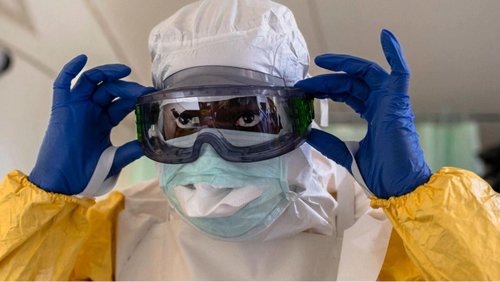
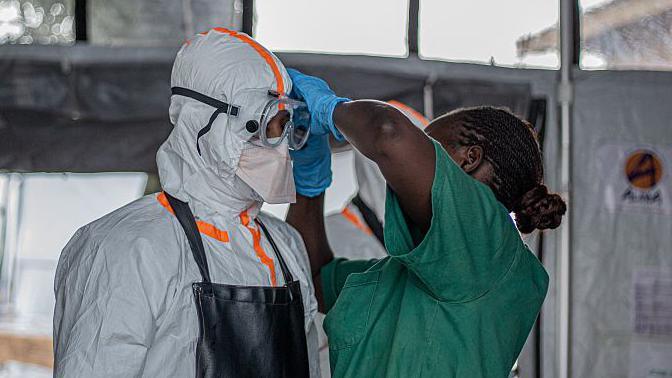
Several dedicated treatment centres have opened in the region, improving rapid diagnosis and triage. Still, the WHO stresses that the virus is outpacing containment efforts, urging tighter protection for health workers and broader community engagement.
For more in‑depth coverage, visit BBCAfrica.com
Follow us for updates:
@BBCAfrica,
BBC Africa,
bbcafrica.