In brief
A violent storm on 11 August knocked down trees and damaged power lines across Indiana, leaving vast sections of Gary without electricity. While the state’s utility, Nipsco, has restored power to over 345,000 customers, almost 30,000 remain unplugged as families rely on generators and food charity help. Residents have filed a class‑action suit against the utility, and state leaders pressed FEMA for a quicker disaster declaration. With climate‑change‑driven storms becoming more common, the outage highlights the need for resilient infrastructure.
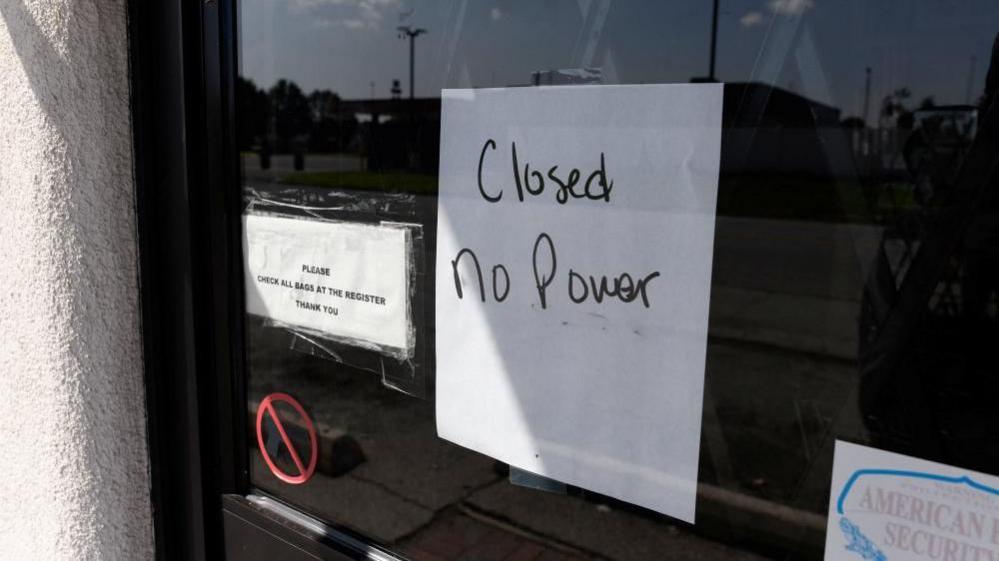
Twelve days after a violent storm that rattled the Midwest, almost 30,000 residents in Gary and the surrounding region are still without electricity. The storm, which struck the area on 11 August, top‑pled trees and snapped power cables, leaving supermarkets, pharmacies and gas stations dark and hands‑dry.
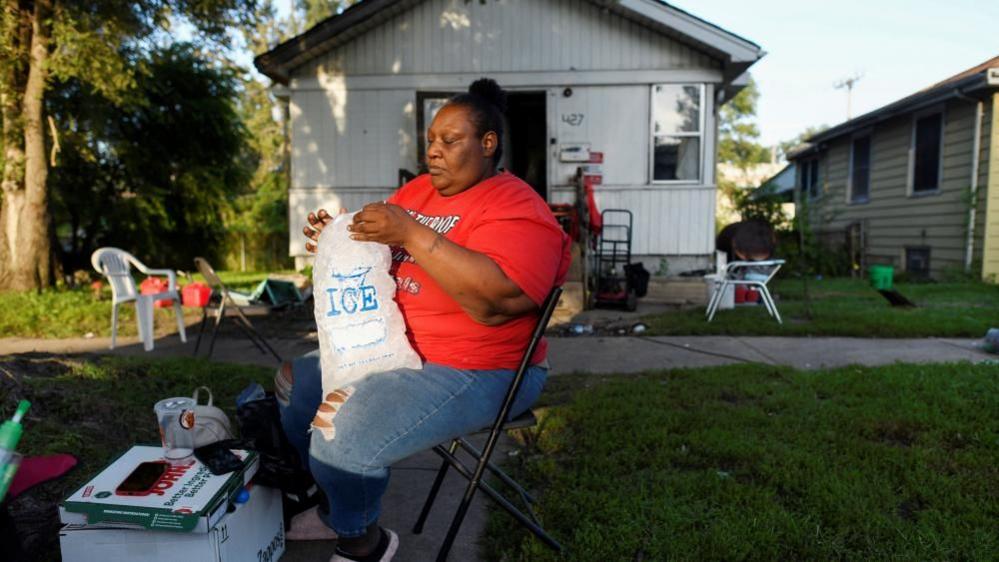
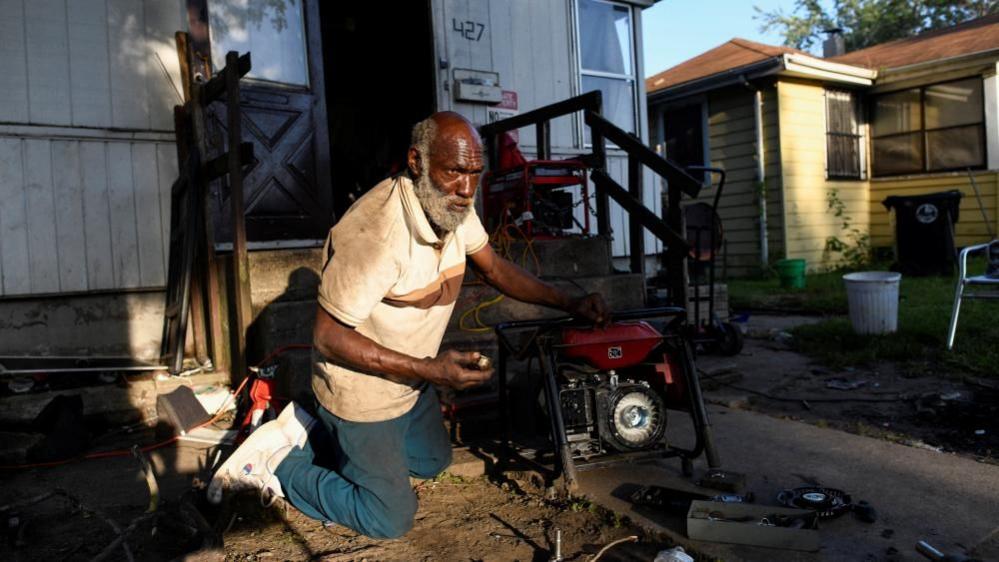
"Like never before," 77‑year‑old Terry Dubois told the BBC. She began each day with a generator’s hum, a power bank to keep her phone alive and a reliance on friends who bring food. For many, the heat has been bearable, but the lack of refrigeration has put medication at risk.
Electricity has been restored to over 345,000 customers since the storm, yet the private utility, Nipsco, reports 29,874 customers still disconnected as of Sunday morning. In the early days, the outage forced several businesses to close, leaving families to improvise. The global aid group World Central Kitchen stepped in during the second week, delivering food to those trapped by the blackout.
The ripple has been deep: elderly residents depend on electric oxygen tanks, disabled users struggle without lifts, and street lighting has vanished, turning parts of the city pitch black at night. Kyle Allen, a local, has pulled a $4,000 generator to keep his 95‑year‑old father safe while the grid remains crippled.
Amid growing frustration, residents filed a class‑action lawsuit against Nipsco, arguing the utility failed to properly manage the trees that fell on power lines. Jack Tipold described losing a dental procedure that night and going home without pain relief, a point Nipsco denies and vows to defend vigorously.
Faith leaders have taken the protest stage to demand rapid action, declaring that 12 days is “long enough.” Governor Mike Braun denounced the delays, calling for a faster FEMA disaster declaration and urging the utility to deploy additional crews. He also urged creative solutions to get residents back online.
With higher temperatures and more intense weather linked to climate change, experts warn that such outages may become more frequent. Meanwhile, residents and city officials await the day the street lights flicker back on and the hum of power travels once again across Gary.