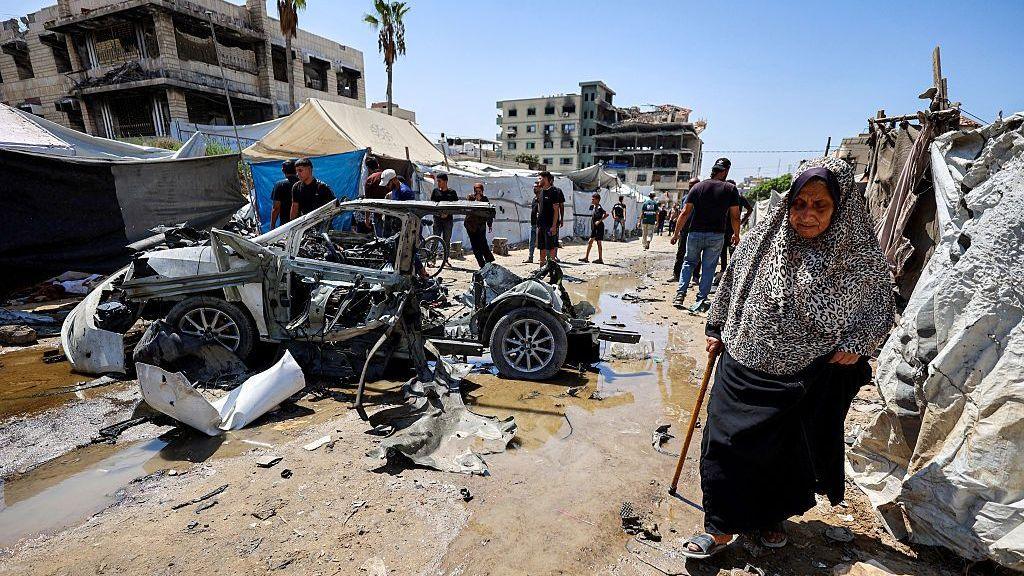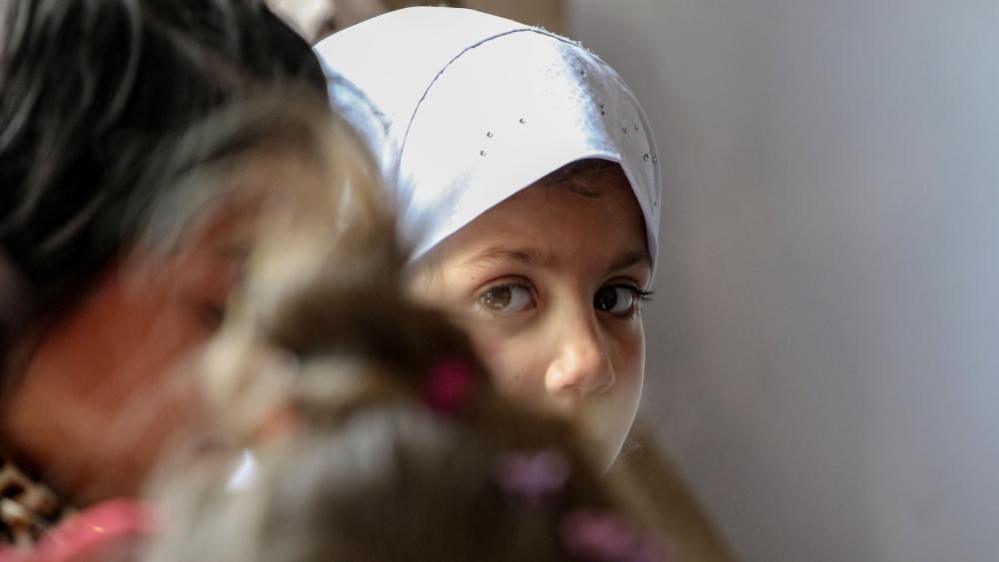
The UN Population Fund (UNFPA) has released a series of reports indicating a sharp rise in gender‑based violence in the Gaza Strip, especially early and forced marriages among girls aged 12 to 17.
The latest data, collected from 10 organisations, shows that the second quarter of 2026 experienced a 123% increase in reported early and forced marriages compared with the first quarter, a testament to how war‑related pressures have broken down traditional social safety nets.
A second UNFPA report, based on testimony from 230 women in Gaza City and Khan Younis camps, paints a grim picture of widespread sexual violence. It notes that rape victims are often coerced into marriage with their perpetrators to avoid social stigma, while hunger drives families to trade young daughters for scarce food supplies.
The report also records a 61% surge in sexual assault cases, now 2.7% of all GBV incidents in the region between April and June 2026.
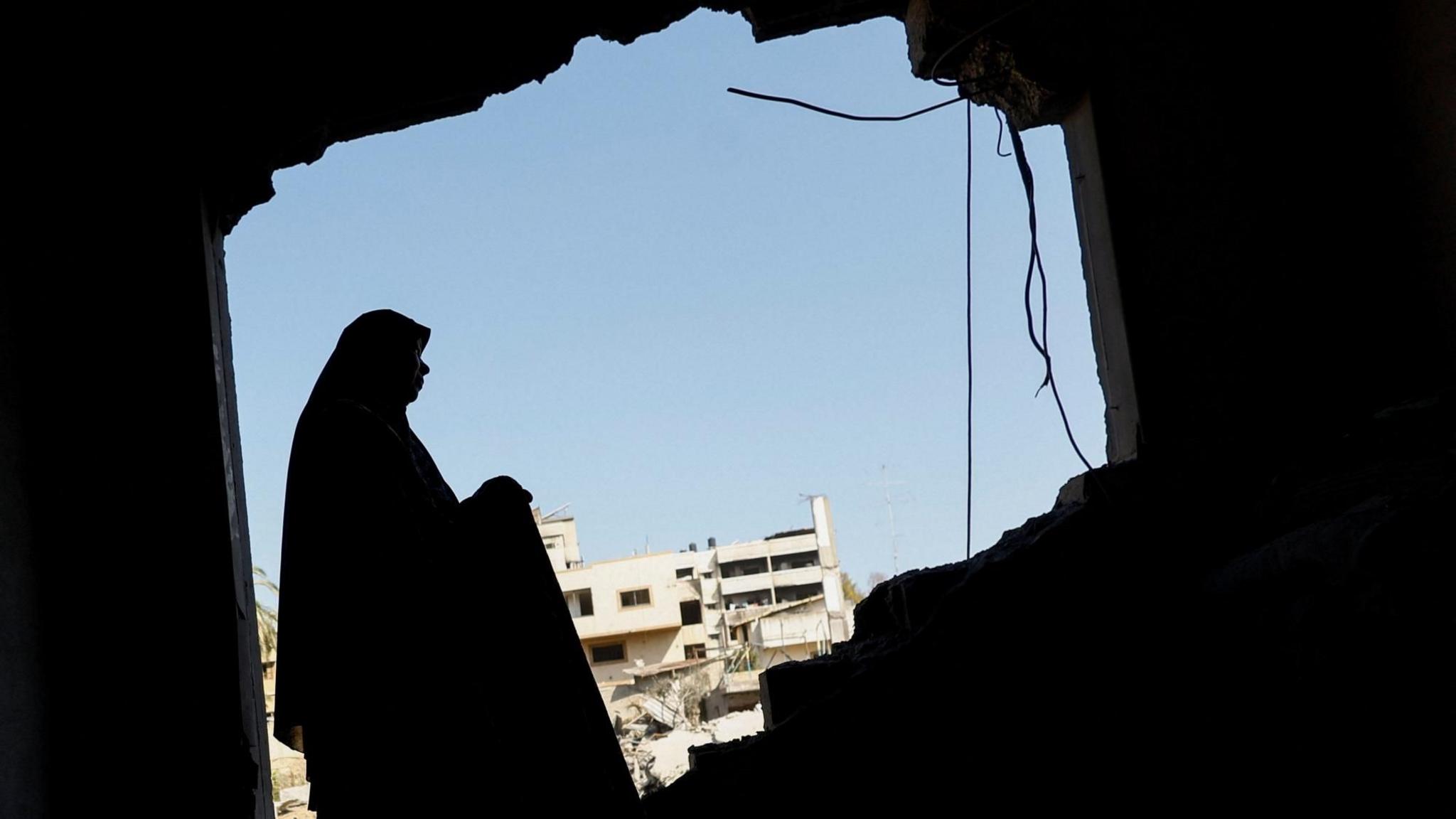
Women who are widowed or have husbands detained are increasingly at risk; about a quarter of households are now headed by a woman, double the figure before the war.
Humanitarian agencies argue that improving shelter, sanitation, and lighting in camps could greatly reduce the danger for women, while long‑term efforts include campaigns against domestic violence and child marriage.
While the plight of women in Gaza has already altered countless lives, many hope for a future where they can feel safe and regain access to education and healthcare.