In brief
Five years after the Taliban reclaimed power, Afghan women describe lives unrecognisable under harsh restrictions. The regime’s ban on girls beyond Grade 6, compulsory lashings, and gender‑segregated travel have left many without work or education. Stories from Kabul to rural provinces reveal a mix of fear, resilience, and hope—women like Noori continue to nurture future generations while others like Shakiba recount shattered dreams. Despite the severe legal barriers, the voices of women persist, urging global solidarity and relentless advocacy for basic rights.
The Taliban’s return to power in 2021 has uprooted the lives of 22 million Afghan women. The regime’s strict enforcement of Islamic rules has curtailed education, employment, and even personal freedom. Five years in, women report that survival is now the sole priority, leaving little room for future planning or aspiration.
The government banned girls over 12 from school, required a male chaperone for travel, and sanctioned child‑marriage laws. In Kabul, dozens of women now fear that telling their stories could lead to reprisals, so many hide behind pseudonyms.
Education Lost and Stolen Dreams
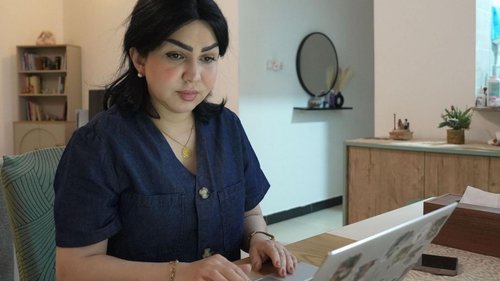
Afghanistan is the only country where girls are officially barred from secondary or higher education. Shakiba, 18, who once dreamed of becoming a pilot, shares how the Taliban’s laws turned her aspirations into impossibilities. She has managed to finish secondary schooling online—a “very important victory”—but still feels that her future is bleak.
Legal Restrictions and Brutality
The Taliban has revived corporal punishment, with hundreds flogged since 2021. Shaima recounts being whipped 50 times for simply friendship with a man, while Manizha was publicly lashed 39 times over her companionship with a male companion. These punishments leave families scarred and fearful.
Economic Impact and Rising Unemployment
Only 7 % of Afghan women are employed, largely due to bans on many professional fields. The United Nations notes that women lost roles from government clerks to teachers to entrepreneurs. Despite this, a small number of women continue to break barriers—like Noori, who started a jam‑making company employing 10 women.
Healthcare and Maternal Mortality
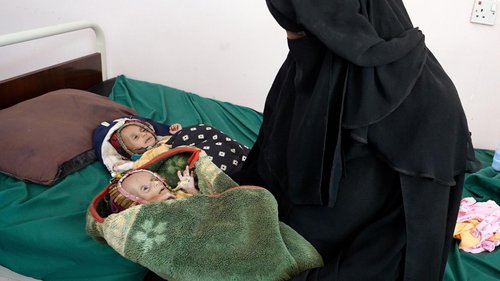
Restrictions on female doctors mean many expectant mothers cannot receive safe childbirth care. Midwife Marzia observed a mother of six die in a remote clinic, highlighting the dire health outcomes for women under current rules.
Hope and Resilience
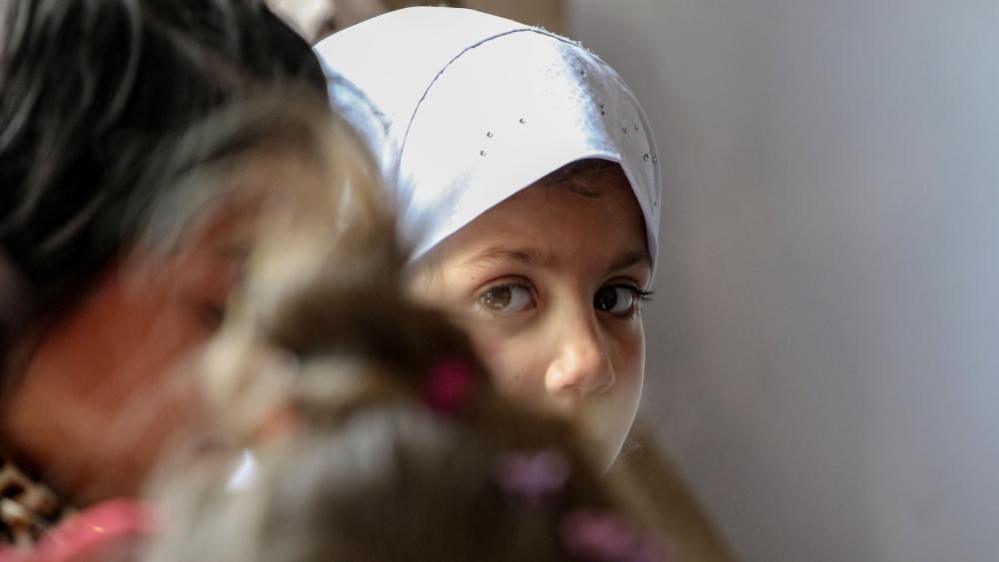
Amid the bleak prospects, women like Asma (13) remain steadfast: “One day, everything will change, but we must never lose hope.” Other voices urge the international community to spotlight Afghan women’s needs and to keep advocating for their rights.
The stories of Afghan women highlight a society under duress but not without hope. Their bravery reminds the world that human rights must be defended, even when the future seems bleak.