In brief
In the arid Bundelkhand plateau of northern India, a rising heat wave is crushing the already fragile water situation for the Dalit community, forcing them to patrol villages early and late to secure enough fluid for family and livestock. The scarcity of handpumps, along with persistent day‑to‑day rituals of caste protection and cleansing rituals, has amplified feelings of exclusion and fear among Dalits, who report more water‑related conflict in recent months. Authorities deny widespread shortages or discrimination, but several local complaints and a record of 113 caste‑based water‑related cases in 2025 point to a more complex reality. Efforts to restore ponds and meet Jal Jeevan Mission targets could ease supplies, yet experts say without addressing caste‑based gatekeeping the new water will again unevenly favour the already advantaged. The region’s climate woes, flare‑up of temperatures and drought history keep water green‑spotting a painful reminder of social injustice.
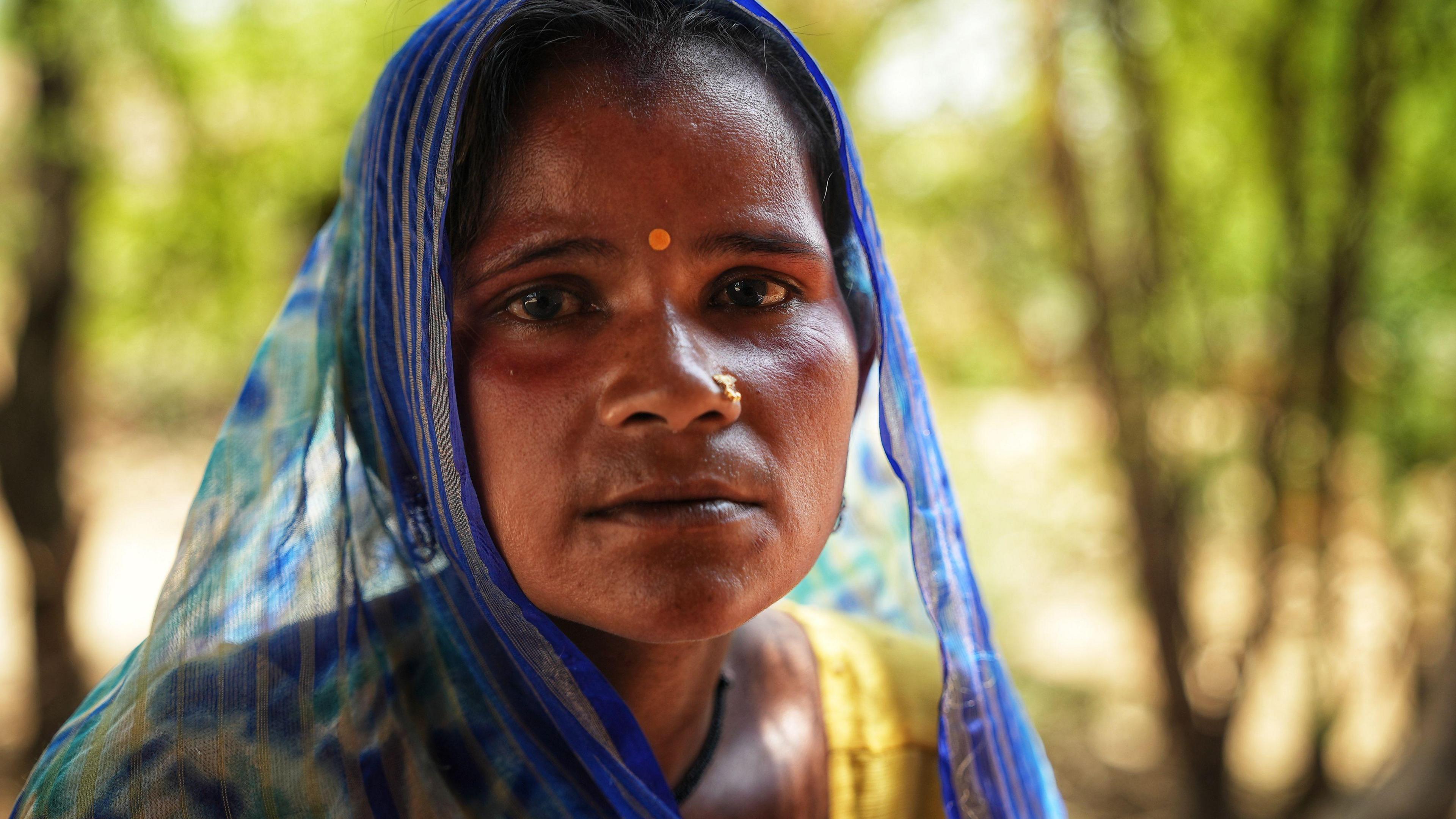
In early summer, 40‑year‑old Mamta walks hundreds of metres from her home in Bundelkhand to the nearest handpump, carrying three empty plastic buckets.
At 40 °C the air is already on fire, but for Mamta even the heat is only a prelude to a deeper problem.
The handpump she visits is one of fewer than ten in her 1,000‑resident village, and the taps that used to supply running water have been dry for two years. Collecting enough water for her 11‑member household and livestock can take hours, and the journey’s route is carefully timed to avoid the stalls of upper‑caste families.
Mamta explained, “If they are standing there, we cannot fill water. We have to wait until they leave.” When the dominant castes finish, they sometimes pour water over the handpump to “cleanse” it—an act that feels like a ritual for exclusion.
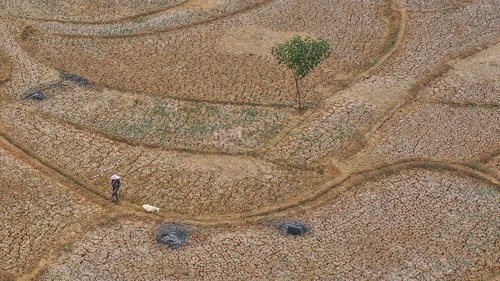
Bundelkhand, a semi‑arid region that spans parts of Uttar Pradesh and Madhya Pradesh, has endured major droughts between 2002 and 2016, turning it into a symbolic hotspot for water scarcity. The plateau’s rocky terrain stores little groundwater, and rising temperatures—some places hit 48 °C—make the seasons unpredictable.
“Conflict over water is not new,” said Mitashi Singh from the Centre for Science and Environment. “What is changing is the role hotter summers are playing in making water scarcer and intensifying tensions that already existed.”
Local officials dismiss these claims, noting that “there is not even one instance wherein caste‑based discrimination is being practised when it comes to access to water in the region.” However, a report by the Dalit Dignity and Justice Centre recorded 113 caste‑based water complaints in 2025, most filed during May and June.
Shiv, a member of a Dalit family in Shahjahanpur, described how he and his neighbours must wait in the heat because the dominant caste occupies the pump. “Even if my parents are thirsty, we sometimes wait for hours before we can drink,” he says.
Three years ago, Shiv’s mother, Parmi Devi, alleged she was beaten after an argument with a person from a dominant caste at a village handpump. While a police complaint was filed, no arrests have yet occurred.
Efforts to mitigate the crisis include reviving ponds, building check dams, and the Jal Jeevan Mission to provide piped drinking water to rural households. Women‑led groups called Jal Sahelis monitor supplies and promote conservation. But researchers stress that more water alone will not solve the injustice if caste continues to dictate access.