In brief
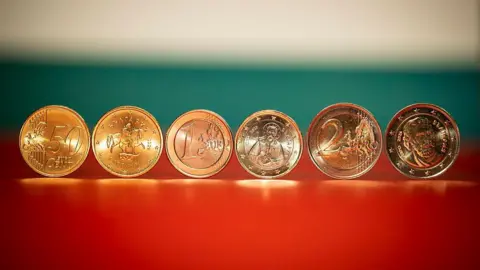
After a long and rocky journey, Bulgaria has joined the eurozone as its 21st member, marking a significant shift for the country. While many young and urban business owners are optimistic about this change, older Bulgarians exhibit fear and resentment towards the euro's implementation. The lev has been the national currency since 1881, but with ongoing inflation and political turmoil, the transition is fraught with challenges and public debate.
Bulgaria - the poorest country in the European Union - has become the 21st member of the eurozone, leapfrogging more obvious and prosperous candidates like Poland, the Czech Republic, and Hungary.
For mostly urban, young, and entrepreneurial Bulgarians, it's an optimistic and potentially lucrative leap - the final move in a game that has brought Bulgaria into the European mainstream, which includes NATO and EU membership, joining the Schengen zone, and adopting the euro.
Conversely, the older, rural, and more conservative segments of the population view the transition with fear and resentment.
The lev has been the Bulgarian currency since 1881 but has been pepped to other European currencies since 1997.
Amid political instability—Prime Minister Rosen Zhelyazkov lost a confidence vote after mass protests against the 2026 budget—Bulgaria's citizens are divided on the switch. Many fear it will lead to increased prices, despite government assurances.
Some shopkeepers are prepared for the change, while others express frustration that the transition was imposed without a national referendum, which was proposed but rejected by the government. Observers note that the outcome may depend on how effectively Bulgaria navigates this new economic landscape.
Transitioning to using euros will require careful management, public trust, and possibly more reforms to ensure the country does not emulate past examples of economic stagnation seen in other parts of Europe.