In brief
As Bangladesh approaches elections, a notable shift in the youth's perception of India emerges, stemming from historical grievances and recent political developments. The sentiment is marked by calls for sovereignty and a rejection of perceived Indian hegemony, coinciding with a turbulent political climate following the fall of former Prime Minister Sheikh Hasina.
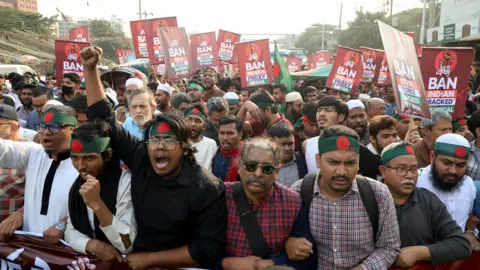
The walls of Dhaka University are alive with graffiti that echoes the sentiments of young Bangladeshis, particularly as they prepare to cast their votes in a critical election set for February 12. Marked by the recent political upheaval that resulted in the ousting of Sheikh Hasina, once a pro-democracy icon turned authoritarian figure, the youth are vocal about their grievances against India's role in their country's political turmoil. As tensions with India rise, sentiments such as Dhaka, not Delhi emerge, expressing a desire for sovereignty and independence from perceived foreign influences.The fall of Hasina and her subsequent exile in India have heightened perceptions of India as an overbearing neighbor, leading to a surge in anti-Indian sentiment amid expectations for a fresh political beginning after years of autocratic rule. The youth's distrust is further deepened with accusations of Indian support for Hasina's authoritarianism, rekindling long-standing grievances over border incidents and trade imbalances.Analysts suggest that India must recalibrate its approach ahead of the elections, seeking to engage not just with political elites but also with the broader citizenry to rebuild trust. As the political landscape continues to evolve, the call for respect and mutual understanding underscores the pressing need for a reevaluation of bilateral ties between India and Bangladesh.