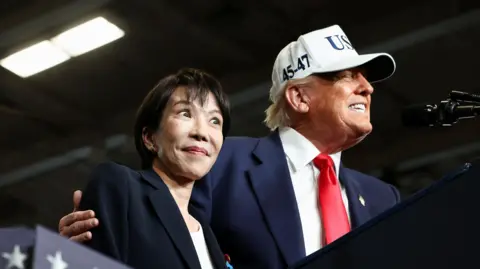
Japan heads to the polls again on Sunday for its second general election in as many years. The snap vote has caught the ruling party, the opposition, and much of the electorate off guard.
Sanae Takaichi, Japan's first female prime minister, is betting on her personal popularity, hoping to succeed where her party failed just last year: delivering a clear public mandate for the long-ruling but deeply unpopular Liberal Democratic Party (LDP).
It is a political gamble - one her predecessor, Shigeru Ishiba, made, and lost badly. Voters will now decide whether it will pay off.
The difference this time is that her approval across most media polls has been much, much higher than her predecessors, says Rintaro Nishimura, an analyst and senior associate at The Asia Group's Japan Practice.
Since taking office last October, Takaichi has dominated headlines, not through policy or legislation, but through political performance. Her acceptance speech mantra, work, work, work, reinforced the image of an energized, relentless leader.
Takaichi has cultivated a highly visible public profile, evidenced by successful media appearances, including a surprising performance playing drums with South Korea's president and even selfies with international leaders.
This public engagement has helped her gain approval ratings hovering in the 60s and even higher, partly driven by supportive conservative social media influencers.
Takaichi's government has attempted to connect with young voters, releasing a slew of merchandise that has become popular cultural items, thereby injecting a fresh appeal into the traditionally staid political arena.
However, critics warn that the timing of the election, amidst ongoing economic issues, raises concerns. While inflation pressures may have eased recently, stagnant wages remain an issue, leading many citizens to question Takaichi's strategy. Economic challenges such as rising living costs and public skepticism about her administration's effectiveness loom large.
Moreover, her hawkish approach regarding defense has stirred both support among older, security-conscious voters and concern among younger constituents wary of escalating tensions in the region, particularly concerning China.
As Takaichi navigates both the election landscape and her policy priorities in the wake of potential electoral success, analysts caution that the real test will be whether she can translate approval ratings into tangible policy outcomes that address the complex socio-economic challenges facing Japan.