In brief
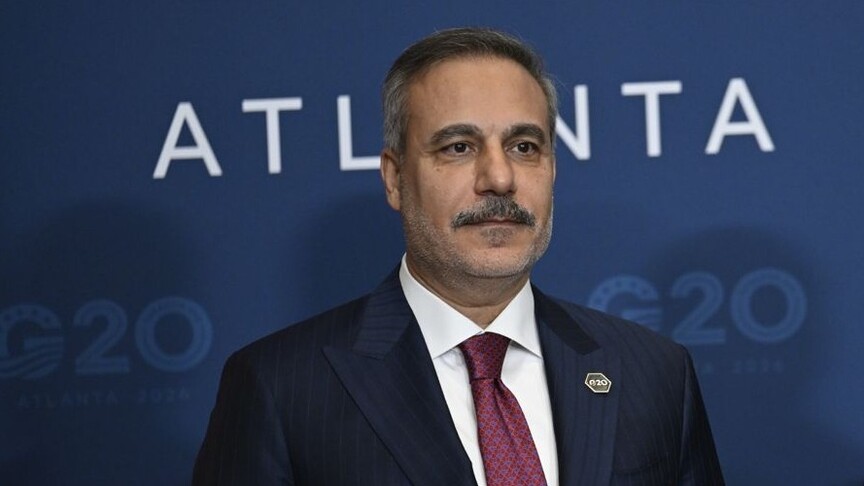
Turkish Foreign Minister Hakan Fidan praised Ankara’s constructive contributions to the G20 foreign ministers’ meeting, citing proposals for resolving global crises and supply‑chain bottlenecks. U.S. Secretary of State Marco Rubio emphasized the group’s focus on energy security, critical minerals, and maritime routes, while noting the need for practical solutions amid geopolitical tensions. The meeting highlighted Turkey’s mediator role and the importance of dialogue with Russia and Ukraine in the Black Sea region.
In Atlanta, the G20 foreign ministers’ meeting convened on Saturday, Nov. 1, 2026, with leaders from 19 countries debating solutions to a cascade of global crises. Turkish Foreign Minister Hakan Fidan, speaking to Anadolu and Turkish public broadcaster on the sidelines, said Ankara had played a problem‑solving role throughout the two‑day session, offering practical proposals on energy, supply‑chain disruption and maritime security.
The gathering, hosted by U.S. Secretary of State Marco Rubio, split its agenda into three core sessions: global crises, energy security and disruptions to international supply chains. Fidan highlighted growing bottlenecks in the Black Sea, Gulf and Red Sea, warning that any interruption in these waterways threatens world trade and the global movement of goods.
Global supply chains have been severely disrupted. Discussions have taken place over how we might remedy or resolve these issues, and what the international community should do in this regard.
Fidan noted that discussions involving Russia and Ukraine remain “not always easy,” particularly when addressing the Black Sea situation and the energy fallout from the Russia‑Ukraine war. He stressed that such talks are “necessary to allow countries to clearly communicate their positions and explore potential solutions.” Turkey, he said, seeks to distinguish itself through meaningful contributions rather than merely opposing other positions.
U.S. Secretary of State Marco Rubio underscored that the summit had returned the G20 to its “original economic mission.” He said, “We focused on core economic, energy, technology, and supply chain challenges, and we addressed practical solutions and real outcomes.” Rubio also warned that threats to international maritime routes could disrupt energy, fertilizer and agricultural shipments and create broader food‑security risks.
Rubio said, “We all agree there's a problem, but obviously there's work to be done to find agreement collectively on solutions.” He emphasized cooperation through the Quad grouping of the U.S., India, Japan and Australia, highlighting critical minerals, infrastructure and maritime security as practical areas for joint action.
Both Turkish and U.S. officials acknowledged differences among G20 members on how best to address shared challenges. Turkey’s approach, according to Fidan, focuses on mediation and encouraging dialogue, while the United States stresses practical, economic‑driven solutions and the importance of securing essential mineral supplies for advanced technologies.
For the upcoming G20 leaders’ summit in Miami in December, the discussions in Atlanta set the stage for deeper coordination on energy security, global trade resilience and the safety of strategic shipping lanes. Ankara’s representative role and Washington’s emphasis on economic cooperation signal a collective drive to transform global crises into policy outcomes.