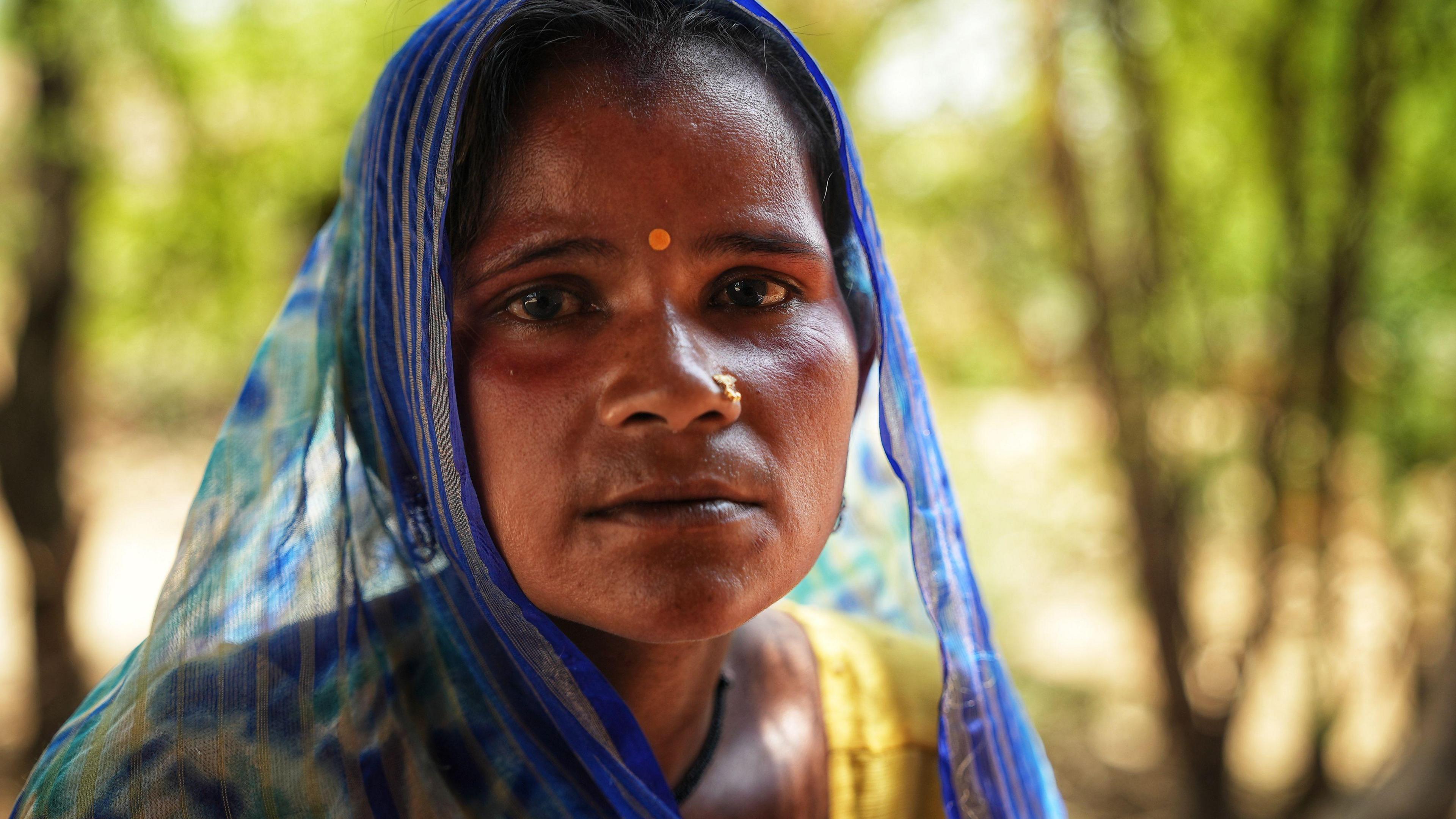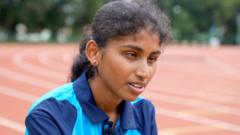
"When I was growing up, everyone in my village would say: 'She is blind, she is a waste'," recalls Rakshitha Raju. Now, at the age of 24, she stands as one of India’s leading middle-distance para athletes. Born blind in a remote village in southern India and orphaned by age ten, she was nurtured by her grandmother who, despite her own impairments, understood Rakshitha's challenges.
Around the age of 13, Rakshitha's potential was uncovered by a sports teacher at her school who encouraged her to pursue athletics through the use of a guide, someone who would run alongside her while connected by a tether. Initially, fellow students assisted her, but it was during the National Games in 2016 that she met Rahul Balakrishna, a passionate middle-distance runner who would become her guide for the next eight years.
Rahul recognized the lack of sufficient guides in para athletics and decided to dedicate himself to both coaching and guiding Rakshitha. Although the government supports his coaching salary, guides like Rahul do not receive any financial rewards for their role in competitions, aside from the privilege of sharing in the athlete's successes through medals. "I felt proud that I could do this for myself and my country," Rahul shared.
Their rigorous training has fostered a profound bond. "I believe in my guide runner more than myself," Rakshitha expresses, marking their partnership as integral to her success. Together, they have claimed gold medals at the 2018 and 2023 Asian Games, garnering a triumphant welcome upon returning to Rakshitha’s village, where previous naysayers transformed into supporters.
Rakshitha's achievements progressed further as she became the first blind Indian woman to qualify for the 1500m at the Paralympics, competing in Paris 2024 alongside Rahul. Although they missed a medal, another visually impaired athlete from India, Simran Sharma, brought home a bronze.
Simran’s journey underscores the challenges faced by visually impaired competitors. Initially sprinting solo, Simran learned the importance of a guide after straying from her lane during the Tokyo Paralympics. After a difficult search for a suitable guide, she began working with Abhay Kumar, ultimately winning gold in the 200m at the World Para Athletics Championships.
Despite the pair's initial struggles at their first international competition, they later secured a bronze medal in the 200m at the Paralympics in Paris, making Simran the first Indian woman with a visual impairment to win a Paralympic medal. However, concerns loom over how long Abhay can continue as her guide since there is little financial support for guides, creating uncertainty regarding their futures.
As both Rakshitha and Simran navigate their paths with the hope to inspire others like them, they make it clear that the role of guide runners is crucial. The pair emphasize the need for sponsorship opportunities and support from sports authorities to enhance the roles of guides.
Looking ahead, Rakshitha hopes to further her achievements with Rahul by her side, advocating for her to become a role model for those in underserved communities. While Simran aims for gold in future competitions, both athletes reflect the growing narrative of empowerment and determination among disabled athletes in India.
The BBC Indian Sportswoman Of The Year Award returns to honor women athletes, celebrating their extraordinary achievements, with the winner announced on February 17, 2024.