Insights from an Indian toy shop reveal more than play‑things – they point to a deepening reliance on China. In 2020 India slashed toy tariffs to 60–70 %, curbing imports from $300 m to $100 m, and nudging exports from $129 m to $200 m. Yet the Chinese share of the toy market fell only from 70 % to under 65 %, a modest win in an otherwise lopsided trade balance.
Annual data, however, paints a far grimmer story. The trade deficit with Beijing swelled from $44 bn in 2020 to $112 bn last year, as India’s import bill keeps rising while exports lag behind pre‑pandemic levels. “China now supplies over 30 % of India’s industrial imports and more than 100 critical items,” warns Ajay Srivastava of the Global Trade and Research Initiative. If China’s imports double, the imbalance could hit $134 bn, giving Beijing even more leverage.
India has shown it can pull back on finished goods: it now adds more than a quarter of the world’s iPhones, and has reduced imports of smartphones and solar panels. Yet its factories remain choked by Chinese components – the same situation that holds back the manufacturing of electrical machinery, battery and chemical inputs. 36 % of India’s industrial imports are electrical machinery alone, with heavy reliance on Chinese parts.
The backdrop of the 2020 Galwan Valley clash and a series of anti‑China measures (anti‑dumping duties, bans on TikTok) has not stopped the flow of cheap Chinese goods. China’s surplus capacity and desire to export surplus still feeds a crowded Indian market, especially as Western countries impose tariffs on Indian exports.
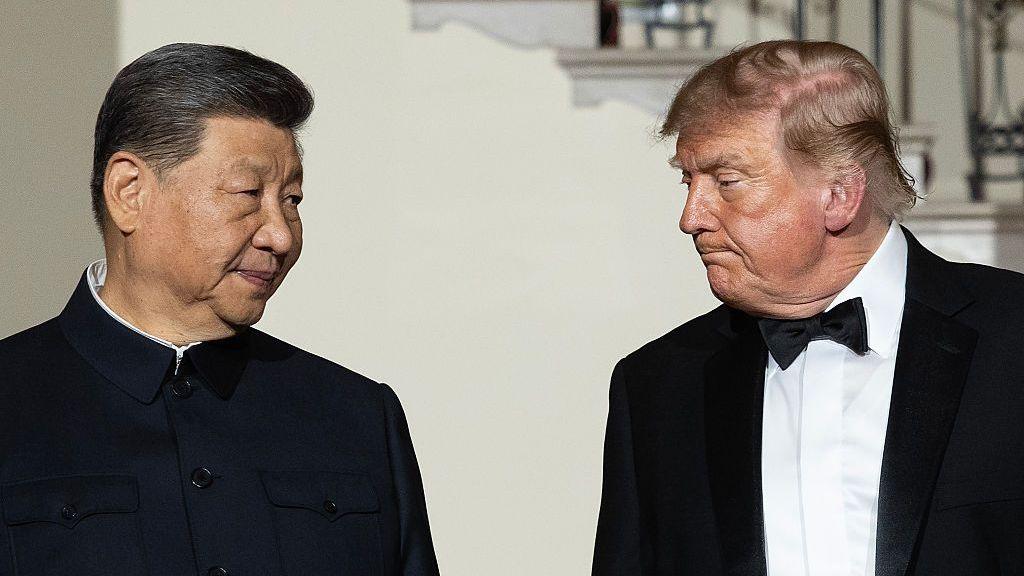
At the 2026 BRICS summit, Modi and Xi pledged to tackle the “structural trade imbalances,” but experts caution that India’s dependence on Chinese inputs is hard to untangle. Strengthening supply‑chain resilience – affordable power, credit, logistics and stable regulation – is a prerequisite. Favourable FDI rules, however, could open the door to Chinese investment; these must prioritise technology transfer and domestic value addition, or risk deepening dependence.
An expedient lever may be targeted exports to niche sectors such as pharmaceuticals, where China’s aging population creates demand. Yet, as Kevin Zongzhe Li, a Washington‑based Fellow, notes, narrowing a $112 bn deficit cannot rely only on selling such segments. The core question is whether Beijing will grant reciprocal market access or if India has to seek its own bargaining power to reverse the skewed trade.