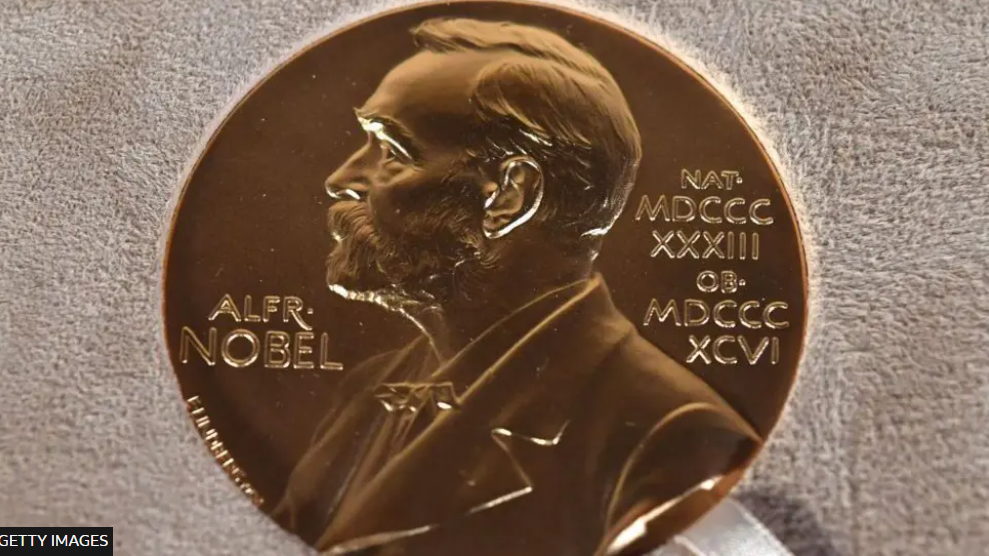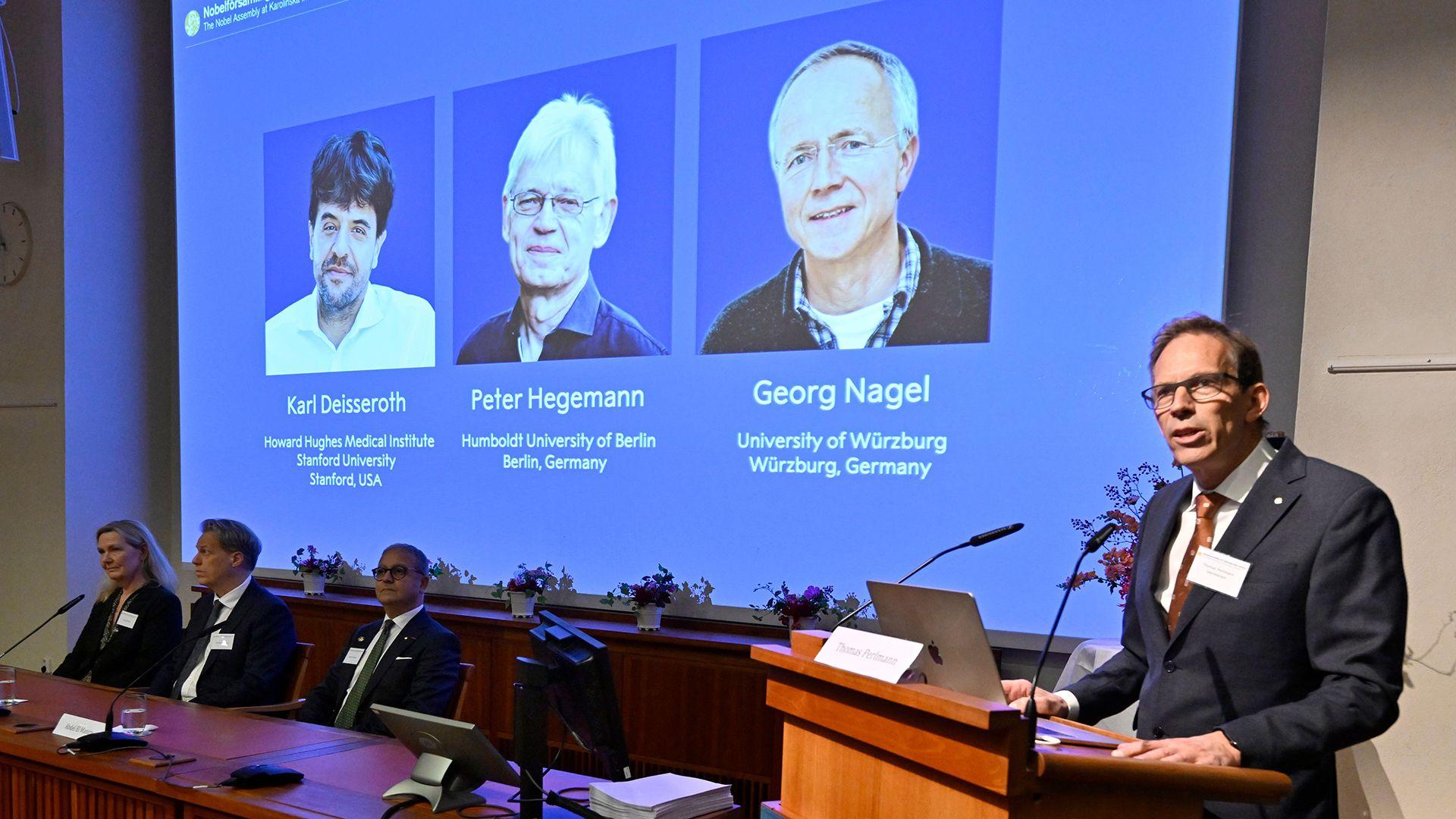
US psychiatrist and neurologist Karl Deisseroth, together with German colleagues Peter Hegemann and Georg Nagel, received the 2026 Nobel Prize in Physiology or Medicine for pioneering optogenetics. Their work has enabled scientists to illuminate brain activity and unravel the electrical circuits that govern emotions, memories and behavior.
Optogenetics uses a protein called channelrhodopsin, discovered in algae, to control neuron firing with light. By injecting this protein into specific brain cells, researchers can switch neurons on or off with millisecond precision, revealing how distinct circuits drive particular thoughts and actions.
Nobel Assembly lauds the discovery
The Nobel Committee described the technique as a “new era in neuroscience” that lets scientists bring memories to life, create feelings, drive behavior and study the neurons involved in psychiatric and neurological disorders.
The three laureates said they were “absolutely wonderful” to be honored together and will share the £900,000 prize money.
Restoring vision with optogenetics
Clinical trials have used optogenetics to restore sight in patients with retinitis pigmentosa, a disease that destroys the eye’s rods and cones. By inserting the channelrhodopsin protein into damaged retinal tissue, patients can see again with specialized glasses that emit precise light wavelengths, activating the therapeutic proteins.
As the Nobel Committee noted, this breakthrough offers hope for treating blindness and other sensory deficits, illustrating the profound clinical potential of optogenetics.