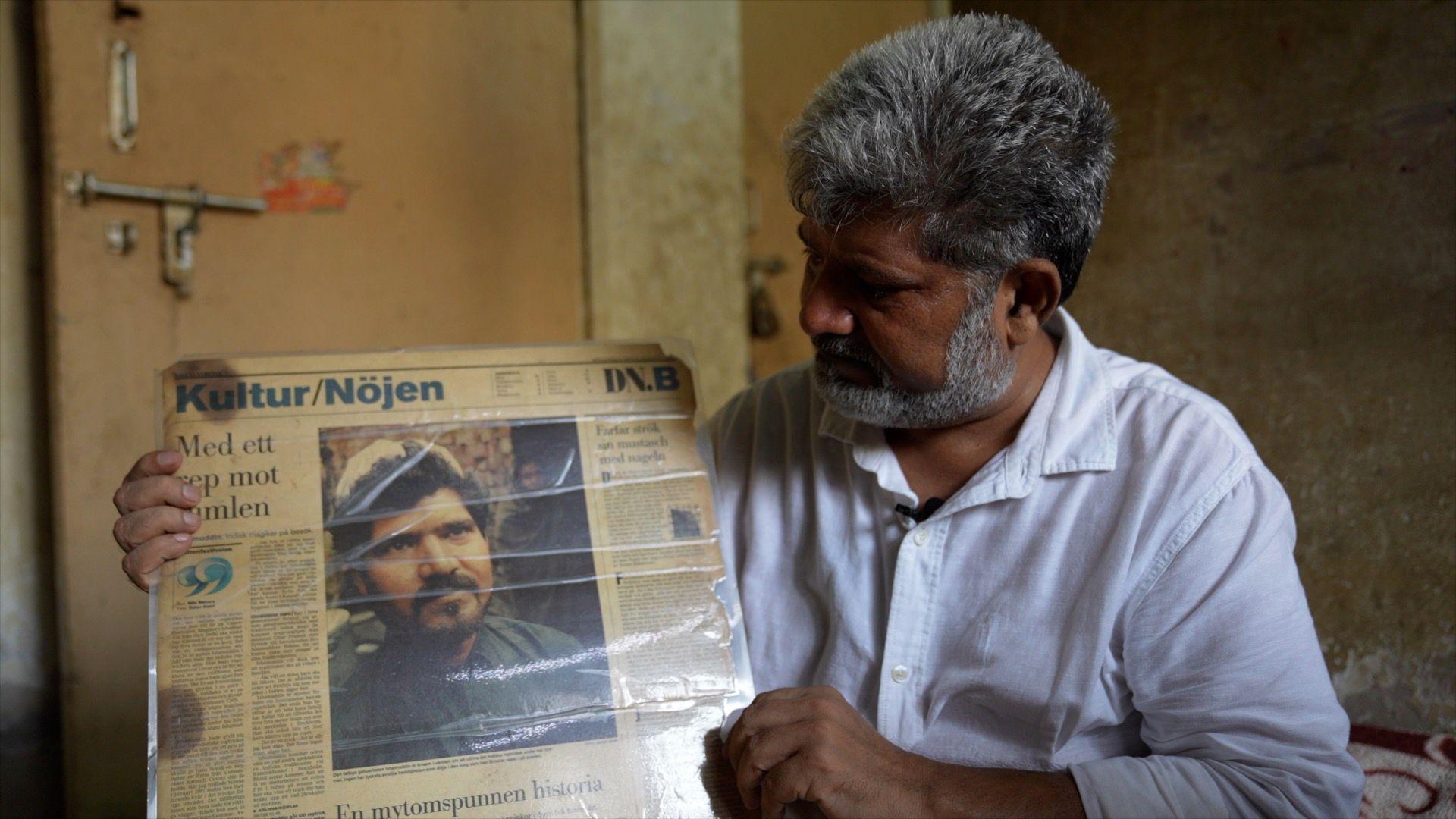
In a cramped Delhi kitchen, 55‑year‑old Ishamuddin Khan still pulls a rope out of thin air, though now he does it for his photographs rather than a cheering crowd.
He once astonished crowds of 30,000 under Qutub Minar, and later toured the UK, France, Germany and Japan. His famed rope trick, long deemed impossible by skeptics, gained him worldwide recognition. But the applause has faded, and the spacious streets that once celebrated him are shrinking.

Street magic once thrived in busy public squares across India, their performers—magicians, jugglers, puppeteers, acrobats—drawn by the rhythm of city life. Today, municipal zoning, closed parks and residential societies cut off access to the very spaces that kept the art alive.
Experts say the decline is not just a result of the 2020 lockdown. Even before COVID, performers faced a dwindling audience and stricter permits, and the surge of digital streaming has diverted public attention away from live street art.

Model minority families like Imam Khan now collect recyclables for survival, earning merely two dollars a day, while Shahim Khan, a former street wizard, turns to show-sneakers in industrial zones, earning a fraction of his former income.
Local lawyers point out India lacks a unified busking framework. Each state imposes its own regulations on public order, noise and land use, creating a labyrinth of hurdles that many artists cannot navigate.
In the midst of these challenges, the older generations cherish the knowledge passed down through families. Historian Ashok Mathur explains that the Madaris, who trace their roots to mythic itinerants, view magic as a living tradition, not merely entertainment.
Yet the future hinges on whether younger generations will learn and carry forward these skills. Alia, Shahim Khan’s daughter, has stepped onto the street stage at fifteen, but the financial rewards barely sustain her today.
With the lives of these performers hanging on a thread, the vanishing world of India’s street magicians calls for urgent attention from policymakers and cultural stewards alike, lest they finally slip into oblivion.