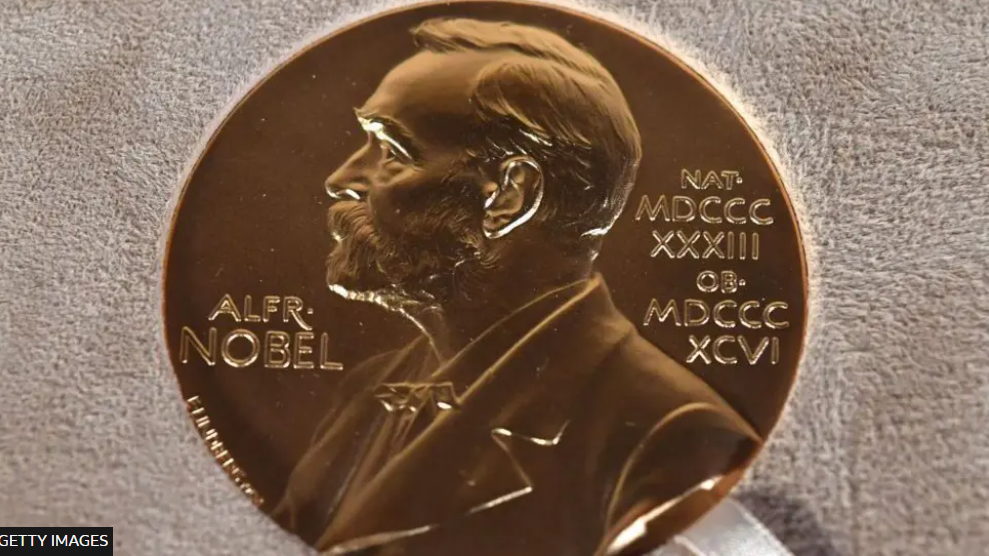

Optogenetics wins Nobel for revealing the brain’s circuitry behind feelings and sight
American psychiatrist and neurologist Karl Deisseroth, together with German scientists Peter Hegemann and Georg Nagel, were awarded this year’s Nobel Prize in Physiology or Medicine for pioneering optogenetics—a technique that uses light to control neurons.
Their research has uncovered how specific neuronal circuits generate emotions and behaviours, offering new insights into psychiatric and neurological disorders, and paving the way for a whole new era in neuroscience.
The Nobel Committee praised the trio for laying the foundation for understanding the neural circuitry behind "specific memories, feelings, and behaviours" that are relevant to modern treatments.
In clinical labs, optogenetics is already being tested to restore sight in patients with visual impairments, demonstrating its therapeutic potential beyond basic science.
This award highlights how interdisciplinary collaboration can unlock the brain’s deep-seated mysteries and transform future medical care.