In brief
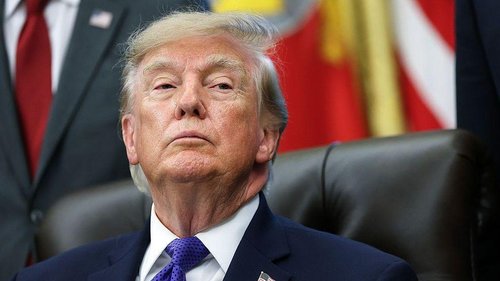
The United States has taken a significant lead in seabed mining, as President Trump signs an executive order aimed at exploring valuable mineral resources on the ocean floor. This move challenges international agreements that many nations adhere to, raising concerns over environmental impacts and geopolitical ramifications.
The signing of this order marks a pivotal shift for U.S. policy regarding seabed resources, as it positions the nation as a global leader—exploiting mineral-rich areas like the Clarion-Clipperton Zone in the Pacific Ocean. This region is believed to hold abundant resources including nickel, cobalt, and manganese, essential for advanced technologies and countering reliance on foreign supply chains, particularly those controlled by China.Historically, the international community has maintained a cautious approach to seabed mining, with no commercial-scale operations having occurred due to technological and environmental challenges. The concerns about potential ecological damage associated with mining activities could lead to significant backlash from both allies and opponents globally.This latest executive order signals the Trump administration's broader strategy of prioritizing U.S. interests over international consensus, highlighting how this initiative could disrupt environmental protections and escalate tensions with other nations that oppose such mining. As the U.S. pushes forward, the debate surrounding Ocean resource management and environmental stewardship is likely to intensify.