In brief
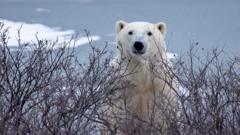
Churchill, known as the polar bear capital of the world, is experiencing the effects of a warming climate. With polar bears spending longer periods on land due to melting sea ice, the risk of human-bear interactions is increasing. Local students, like 13-year-old Tee, are taught how to handle bear encounters, while scientists and conservationists work tirelessly to understand and protect the polar bear population. Meanwhile, the community grapples with the paradox of declining polar bear numbers and the impacts of climate change on their way of life.
As polar bears roam closer to human habitats, the residents of Churchill are adapting to a world where they must coexist with these majestic predators, all while hoping to mitigate the consequences of climate change on both wildlife and their community.---High in the Arctic tundra lies Churchill, Canada, a unique town where the population not only shares its community with the planet’s largest land predator — the polar bear — but also grapples with warming global temperatures. The town is famous for its polar bears, which gather along the Hudson Bay each autumn awaiting sea ice to freeze, their primary hunting ground for seals. However, climate change is interfering with this age-old cycle, creating an unusual partnership between man and beast. In Churchill, young residents like Tee share survival tips for bear encounters, underscoring the normalized coexistence with these formidable creatures. Signs in local shops echo the importance of vigilance, urging visitors to “bear aware” as running from a charging polar bear can prove perilous due to their surprising speed.Although the polar bear population in Western Hudson Bay has decreased significantly — from around 1,200 in the 1980s to nearly half that number today — they continue to draw tourists and scientists to the town for seasonal viewing and research. Conservationists from Polar Bears International are implementing innovative technologies, such as the 'bear-dar' system which uses artificial intelligence to detect polar bears.However, the increasing inland presence of bears prompts ongoing challenges, including safety patrols managed by the polar bear alert team tasked with managing close encounters. Local officials recognize that adapting to climate changes, such as extending the operational period of the town’s shipping port, is crucial.While residents, including the town's mayor, express optimism for the future of Churchill, the survival of its iconic polar bears remains in jeopardy. Students reflect on the potential consequences if climate change persists, leading to fears that these remarkable animals may one day cease to visit their Arctic home.