In brief
In southern Louisiana, farmers are facing an alarming rise in populations of apple snails and delphacids, which are threatening the joint crops of crawfish and rice. With apple snails damaging crops by clogging traps and leading to lower yields, and delphacids spreading plant disease, the future of agriculture in the region appears precarious. As farmers scramble to implement costly measures to manage these pests, climate change complicates their ability to predict and adapt to these new threats.
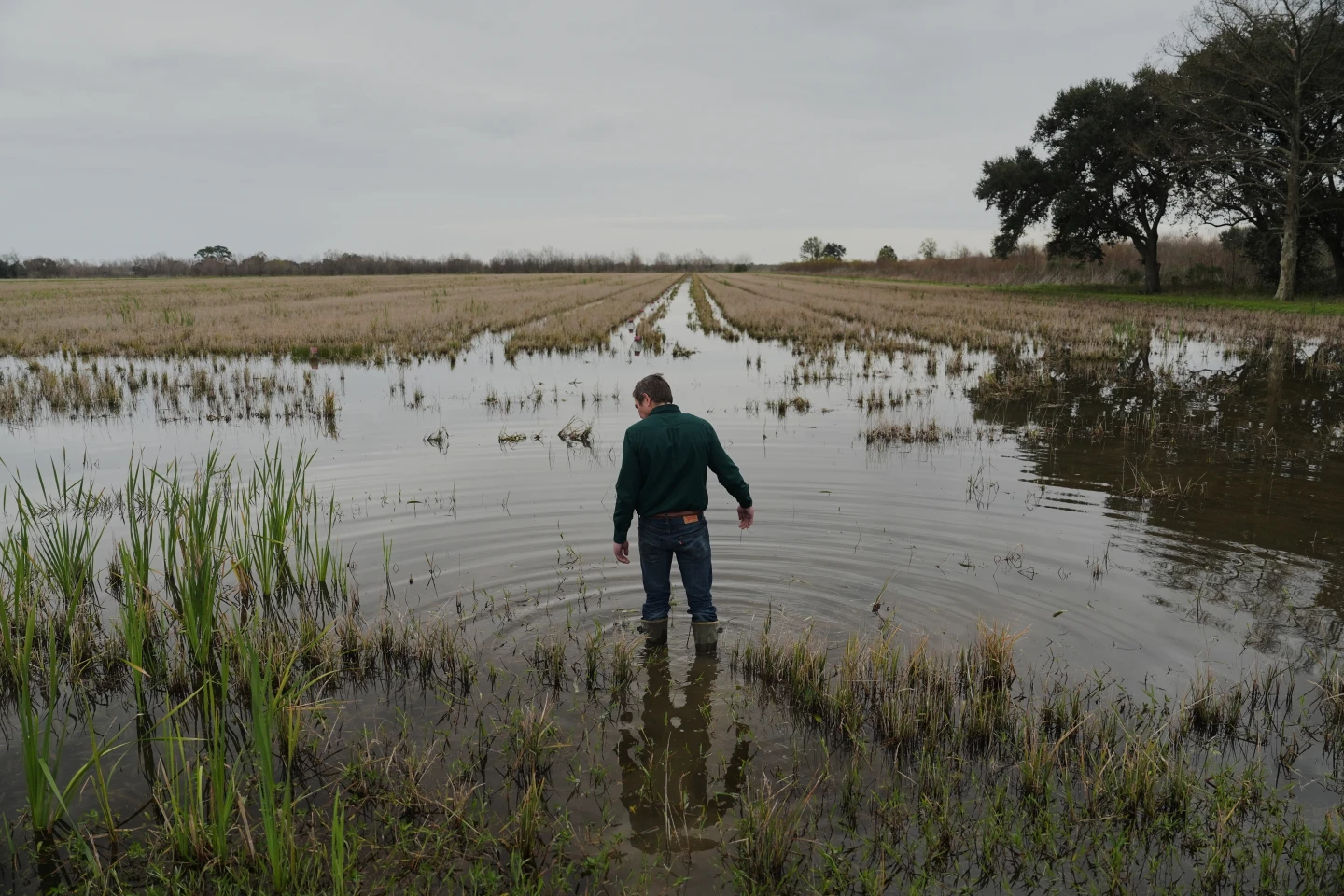
KAPLAN, La. (AP) — Farmers like Josh Courville in southern Louisiana have spent their lives harvesting crawfish, but they are currently engaged in an uphill battle with unwelcome invaders: colossal apple snails.
Each time Courville empties a trap, he finds himself besieged not just by his catch, but by three or four stubborn snails, roughly the size of a baseball, which thrive in various environments and produce thousands of eggs monthly. It’s very disheartening,” Courville admits. The most discouraging part is not having much control over it.
Alongside the apple snails, farmers must also contend with a new threat: delphacids, tiny insects capable of devastating rice crops by spreading diseases. Researchers are investigating the root causes of their infestations, linking them potentially to farming practices, pesticides, and even extreme weather patterns aggravated by climate change.
Experts caution that warmer conditions may facilitate the spread of these pests, complicating efforts to manage rice and crawfish together on shared lands. Many farmers rely on synchronized cropping for economic viability, and losses from pest infestations could inflate rice prices for U.S. consumers.
As Courville explains, the invasive apple snails proliferated after an extreme flood in 2016, and he saw first-hand how they wreaked havoc on his crops. Tactics like drying fields to let rice plants mature before flooding are now necessary to combat the snails, though they increase labor costs and are less effective against delphacids, further entrenching farmers' financial strain.
Louisiana State University estimates that approximately 78 square miles are now regularly affected by apple snails, substantially impacting productivity and inciting rising operational costs amidst an enduring agricultural crisis.
Scientists warn that understanding these pests and finding solutions will be critical, as state researchers are beginning to note that climate change is complicating predictions of pest behavior, making already difficult agricultural planning even more complex.