In brief
Recent research reveals a concerning increase in the deaths of grey whales in San Francisco Bay, with factors such as diminishing prey, climate shifts, and human-related incidents contributing to the crisis. Experts emphasize the need for urgent conservation efforts as the whale population suffers unprecedented declines.
California's majestic San Francisco Bay, known for landmarks like the Golden Gate Bridge, is facing an unusual ecological crisis as grey whales frequent its waters, prompting concern among researchers and residents alike.
While many find wonder in observing these magnificent creatures up close, a troubling reality looms: a significant number are appearing malnourished and have been found dead.
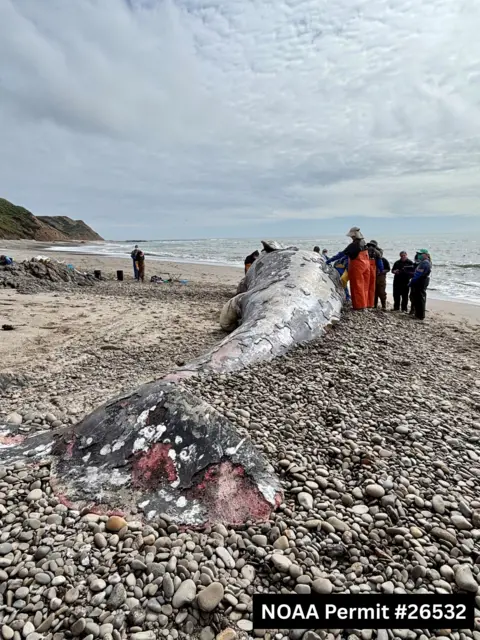
In 2025, a record 21 grey whale carcasses were recorded, and this year, seven have already succumbed to various causes, including dwindling food supply, climate change, and human impacts.
Josephine Slaathaug, who led a recent study on grey whale mortality, reported that grey whales are now utilizing the bay as a new habitat, a behavior not previously observed before 2018. These whales, known for their extensive annual migration, are adapting to shifts in their environment.
Many of the deceased whales found in the bay are young and male, traveling towards the Arctic but showing signs of malnutrition. They lack the necessary energy reserves for their grueling migration, often driven into the bay in search of food.
Not only are deaths attributed to starvation but also to ship strikes—a significant threat in the bay, where busy shipping lanes increase the risk of collisions.
The alarming trend has led to a closer look at the factors contributing to the high mortality rate, with scientists recognizing that the whales could provide critical insights into broader ecosystem changes driven by environmental shifts.
Even as conservation measures are implemented, including training for vessel operators and monitoring systems to keep whales away from busy traffic lanes, experts stress that the protection of grey whales in San Francisco Bay is essential for their survival.
As the grey whale population experiences a steep decline from approximately 27,000 in 2016 to 12,500 in 2025, urgent action is required. The situation presents both a crisis and an opportunity for conservationists and researchers aiming to illuminate and address the threats facing these iconic marine animals.
In this complex situation, every dead whale serves as a reminder of a species in peril and the broader health of our oceans.