In brief
In Kaktovik, Alaska, efforts are underway to revitalize polar bear tourism, which was impacted by the COVID-19 pandemic and federal regulations. Local leaders seek a balanced approach that supports the economy and preserves polar bear habitats, especially as climate change threatens Arctic wildlife. With plans for sustainable tourism, community input is critical for ensuring visitor safety and resource protection.
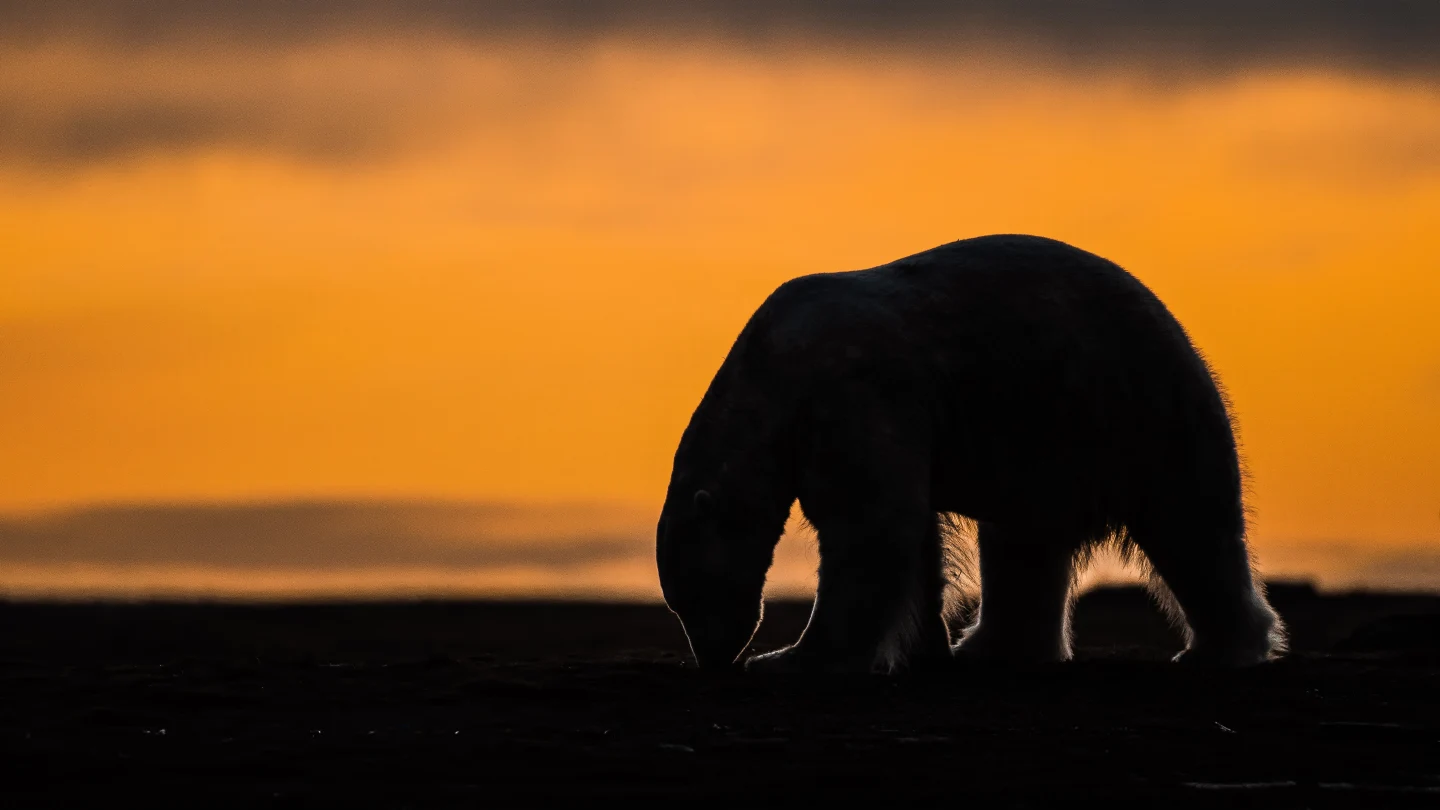
Every late summer, Kaktovik, a small village in Alaska, becomes a focal point for polar bears drawn in by the remains of whale carcasses. As climate change threatens their habitat, local leaders are looking to revive tourism centered around these majestic animals.
Despite the potential economic boost that tourism can provide, community leaders emphasize the need for structured guidelines to ensure the protection of both polar bears and local traditions.
Following a period of overrun by tourists and heightened safety concerns, Kaktovik's leaders aim to forge new partnerships with federal officials to create a responsible tourism model that prioritizes ecological balance.
Charles Lampe, president of the Kaktovik Inupiat Corporation, stated, “The thing is, it can’t be run like it was before,” highlighting the necessity for reforms that would mitigate the adverse effects of past tourism practices.
The surge in visitors saw regulations imposed that limited local residents' participation and claimed that many large operators from outside flooded the market, leading to a surge of tourists in a village that houses roughly 250 residents.
As local leaders plan to invigorate polar bear tourism by potentially 2027, they are focusing on visitor management practices that limit the time boats can linger near bears to avoid habituating them to people. This would help maintain the wildlife's natural behavior while ensuring community safety.
“Our safety was at risk,” Lampe added, reflecting on the increasing bear incidents that negatively impacted residents. The hope is to create a tourism framework that not only sustains local livelihoods but also respects the natural world.
With the potential return of tourism, Kaktovik seeks to blend educational experiences for visitors, encouraging respect for Indigenous culture while providing immersive wildlife encounters in a rapidly changing Arctic landscape.