In brief
In a groundbreaking mission across one of the Earth's toughest terrains, the Canadian military navigated 5,200 kilometers through the Arctic to enhance survival capabilities and assess climate impacts. This operation, involving 1,300 personnel, faced hazards from polar bears to extreme weather, underscoring the region's geopolitical importance as climate change reshapes the Arctic landscape.
A simple row of spruce trees marked the finish line for Canadian army reservists and combat members after a marathon two months pushing through one of the harshest environments on Earth: Canada's vast Arctic.
The patrol, which ended on Friday in Churchill, Manitoba, was the largest northern mission in the history of the Canadian Rangers - a branch of the Canadian Armed Forces responsible for monitoring the country's remote regions. For 5,200km (3,200 miles), they moved across the Arctic, following a route that had not been attempted in 80 years.
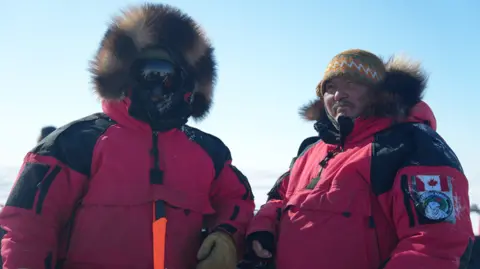
They drove snowmobiles across ice-covered terrain, navigating blizzards and high winds as they travelled for hours between remote northern communities. Some nights, they camped on the ice in tents as temperatures plunged to -60C (-76F).
On the final night, on the frozen shores of the Hudson Bay, they set up camp next to an abandoned trading post as the ice crackled beneath them while the northern lights danced above.
There were constant hazards to be wary of, from polar bears to frostbite and cold-weather dehydration.
The patrol is part of an annual Canadian Armed Forces operation to showcase Canada's military presence in the north. A total of 1,300 military personnel took part this year, with a mission to survey the land, learn more about climate change, unlock new travel passageways and test Arctic survival and warfare capabilities in a region that accounts for 40% of Canada's landmass and 70% of its coastline.
The mission has taken on increased relevance amid the geopolitical scramble for the Arctic's resources as the climate warms. And it comes after US President Donald Trump threatened in January to annex Greenland, a Danish Arctic territory neighbouring Canada, ramping up tensions between Nato allies.
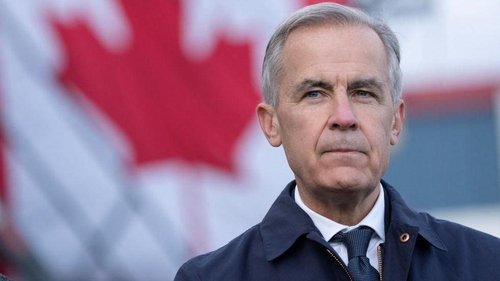
Mark Carney, who was born in the Northwest Territories and is the first Canadian prime minister from the north, has unveiled a multi-billion-dollar defence plan that includes upgrades to existing northern military sites.
But despite recent tensions, Trump's remarks have had zero effect on how Canadian forces and their allies work together, said Brig Gen Daniel Rivière, commander of the army task force responsible for Operation Nanook-Nunalivut.
Lt Col Travis Hanes, one of the Rangers on the patrol, has witnessed the unpredictable weather firsthand, describing how rivers that are usually completely frozen overflowed, creating hazardous layered and unstable ice sheets.
During the patrol, Inuk members of the Canadian Rangers, particularly valuable for their deep local knowledge, shared essential resources and skills, proving critical for the mission's success.
Rivière expressed optimism for the future of Canada’s northern military capabilities, highlighting the importance of preparedness in facing both environmental and geopolitical challenges.