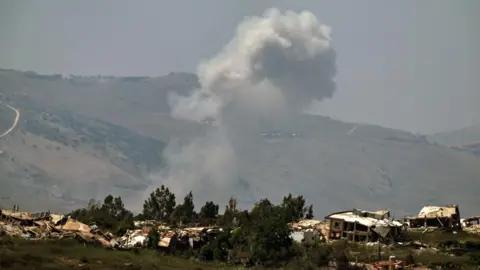
Israel Launches Airstrikes in Southern Lebanon Amid Trump’s Demands, Escalating Tensions
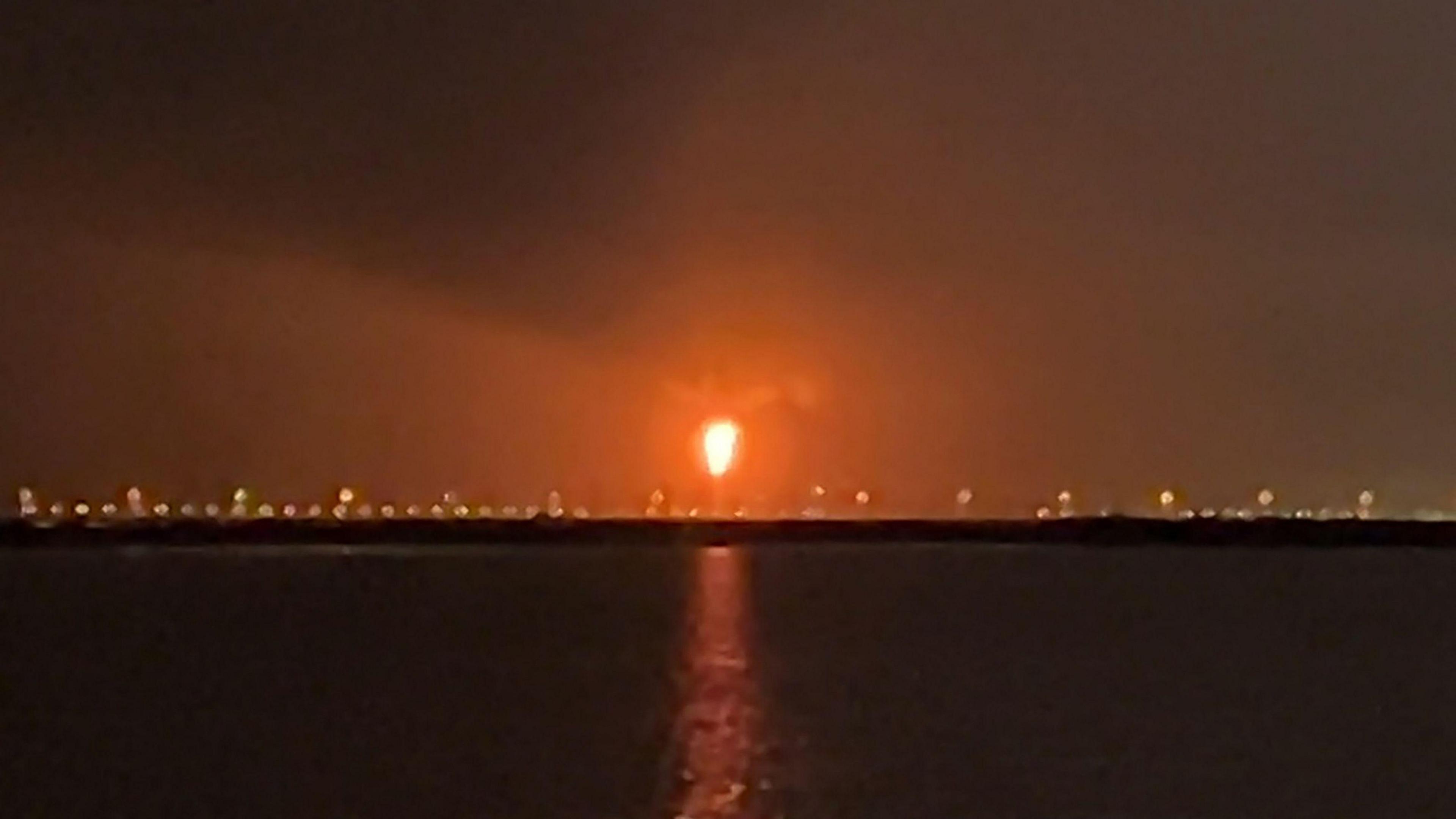
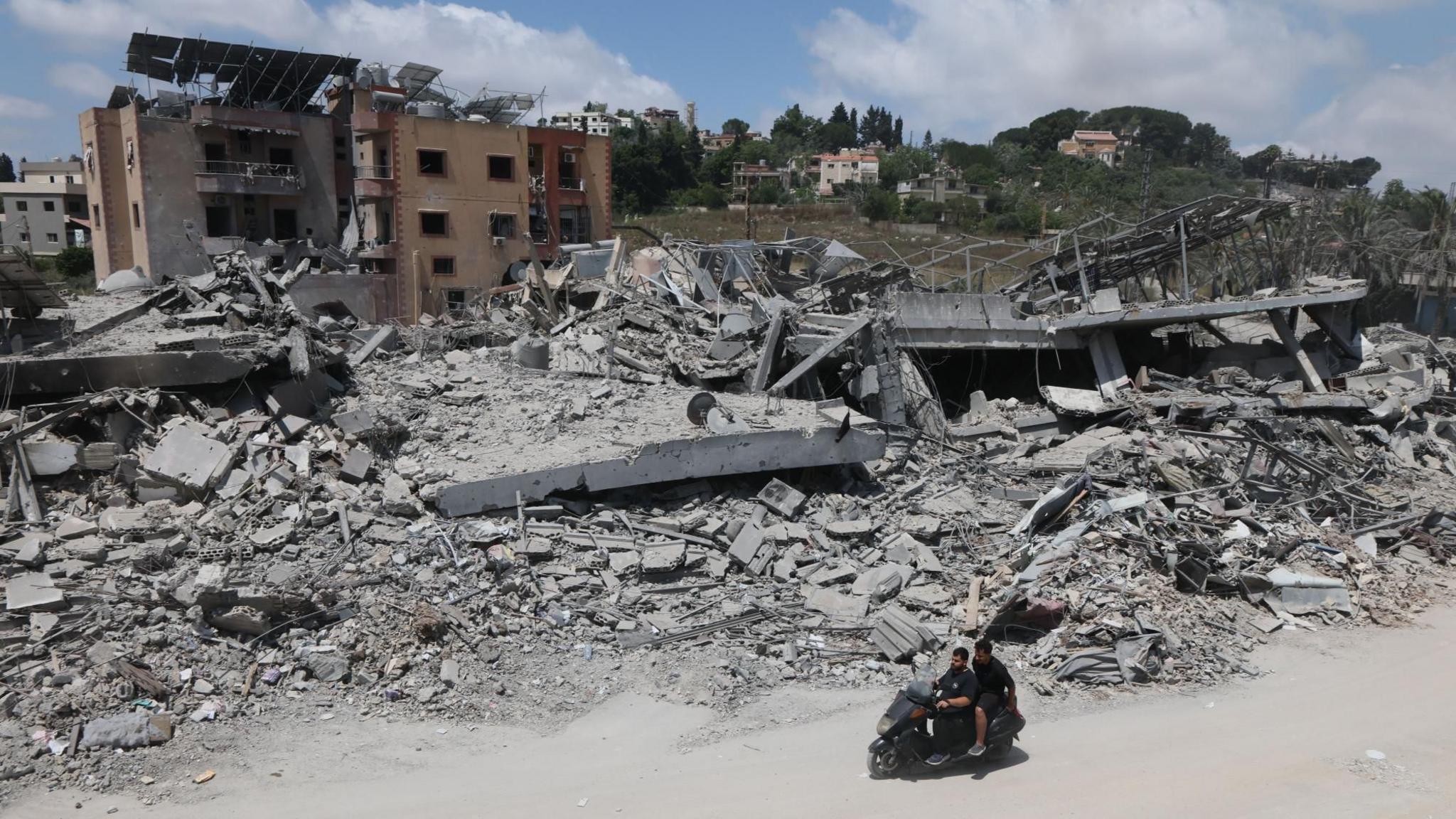
Israeli forces carried out fresh drone and jet strikes over southern Lebanon on Wednesday, targeting villages such as Mansouri, Aaziyyeh, Nabatieh al‑Fawqa and Kfar Tebnit. Although the Israeli military declined to comment, the Israel Defense Forces admitted that five soldiers were injured by a Hezbollah‑backed drone attack.
The new strikes came in direct defiance of U.S. President Donald Trump’s call for Israel to act with greater responsibility, made during the G7 summit in France. Trump warned that the conflict over Lebanon was seeing “too long” and that “too many people are being killed.” He cited the need for “a pause” in hostilities and threatened a “harsh response” if restraint was not observed.
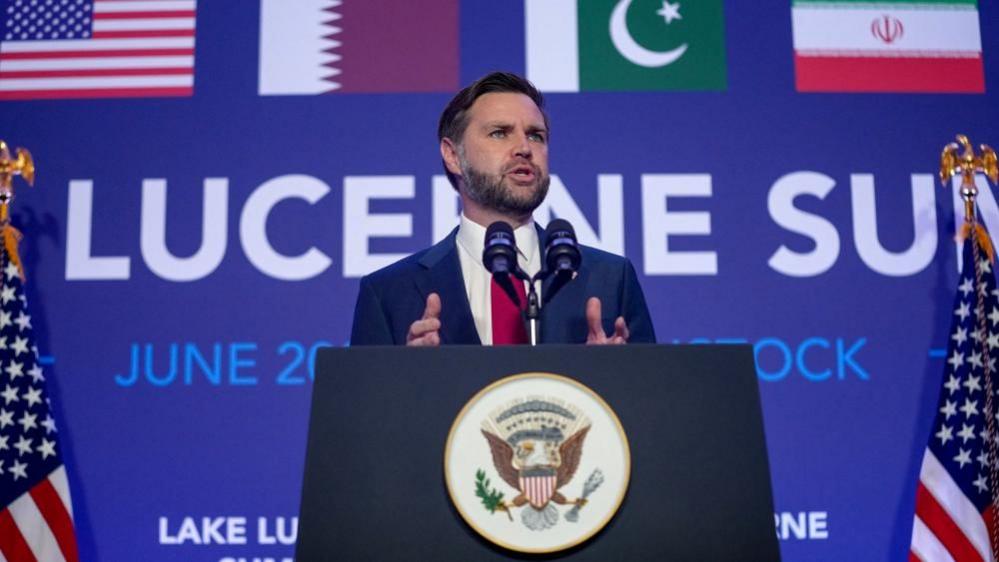
At the same time, the United States and Iran reached a tentative memorandum of understanding to address the nuclear dispute. Both sides were expected to sign the agreement in a Swiss resort on Friday. Trump said he will publicly read the agreement “word by word.” The deal is seen by many as reinforcing Iran’s influence in the region, with Hezbollah viewed as a key ally.
Following the airstrike that hit Beirut earlier in the week, Lebanese officials reported four deaths and multiple injuries in the new strike. Iran’s top military command warned Israel of a “harsh response” if the country did not cease what it termed “malice” in southern Lebanon.
Prime Minister Benjamin Netanyahu reiterated that Israeli forces would remain in Lebanon “for as long as necessary.” Israel’s aggression has drawn criticism from both the international community and the local Lebanese population, amid a fragile peace agreement that could be derailed by the latest hostilities.
Historical context: Hezbollah’s rocket attacks began on March 2, the day the U.S.-Iran deal was announced. Israel responded with massive air campaigns that pushed into Lebanese southern territories, sparking a war that has now seen over 3,800 casualties per Lebanese health ministry estimates. In the current episode, the battlefield has shifted yet again, with each side warning the other of retaliatory measures.
Leaders on the sidelines have urged caution. Hezbollah’s chief, Phineas Qassem, praised the U.S.-Iran agreement as a “great victory,” urging Lebanon to benefit from the change. Lebanese President Joseph Aoun highlighted the country’s “independent path” in Washington talks, favoring a ceasefire and welcoming support from any nation willing to help, including Iran.