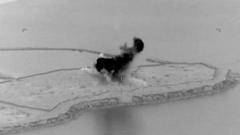
US and Iran exchange strikes in Gulf amid ceasefire test
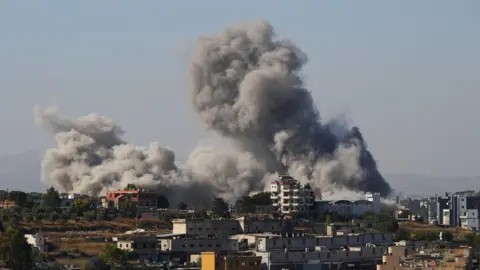
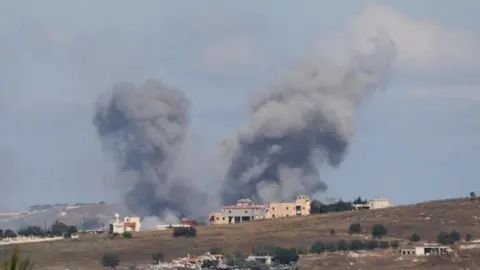
The fragile ceasefire between the United States and Iran has eroded as each side launched a series of new strikes, raising tensions across the Gulf. U.S. forces shot down four Iranian "one-way attack drones" launched toward the Strait of Hormuz, then struck coastal surveillance radar sites to prevent further attacks. In retaliation, Iran fired ballistic missiles at two U.S. air bases in Kuwait and U.S. Navy facilities in Bahrain. Initial evaluations found that six of the seven missiles were intercepted, and one missed its target.
The incidents have come amid stalled cease‑fire negotiations that began in April. One person was killed and more than sixty people injured when an Iranian drone struck Kuwait’s international airport earlier this week; Iran’s IRGC denied responsibility, claiming the damage was caused by an error in a U.S. missile interceptor, a claim the U.S. rejected as false.
During the dispute, the United States has granted visas to Iran’s World Cup football team, allowing them to travel to the United States for the 2026 tournament. It is the first time a host nation is welcoming a team from a country it is at war with.
The background to the latest escalation is the U.S. blockade of Iranian ports that began after a cease‑fire agreement was reached in early April. President Trump announced that the blockade would remain in force until a finalized and signed accord was achieved.
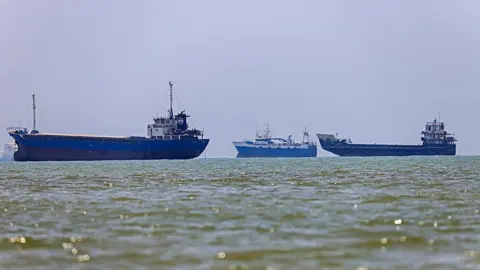
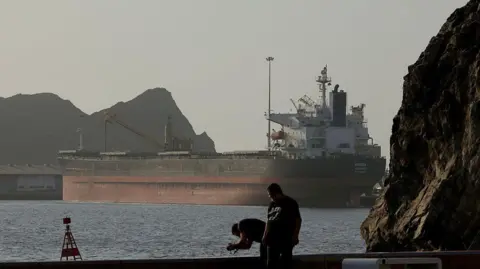
Iran’s foreign ministry spokesperson has criticised the U.S. for constantly changing demands, while the U.S. and Israel launched broad strikes on Iran in February, prompting Iran to close the Strait of Hormuz – a vital conduit for 20 % of the world’s oil and natural‑gas traffic, which also serves Gulf states. The closure has pushed global oil prices higher.