Trump and Netanyahu’s 2024 Escalation Signals a Vicious Middle East Cycle
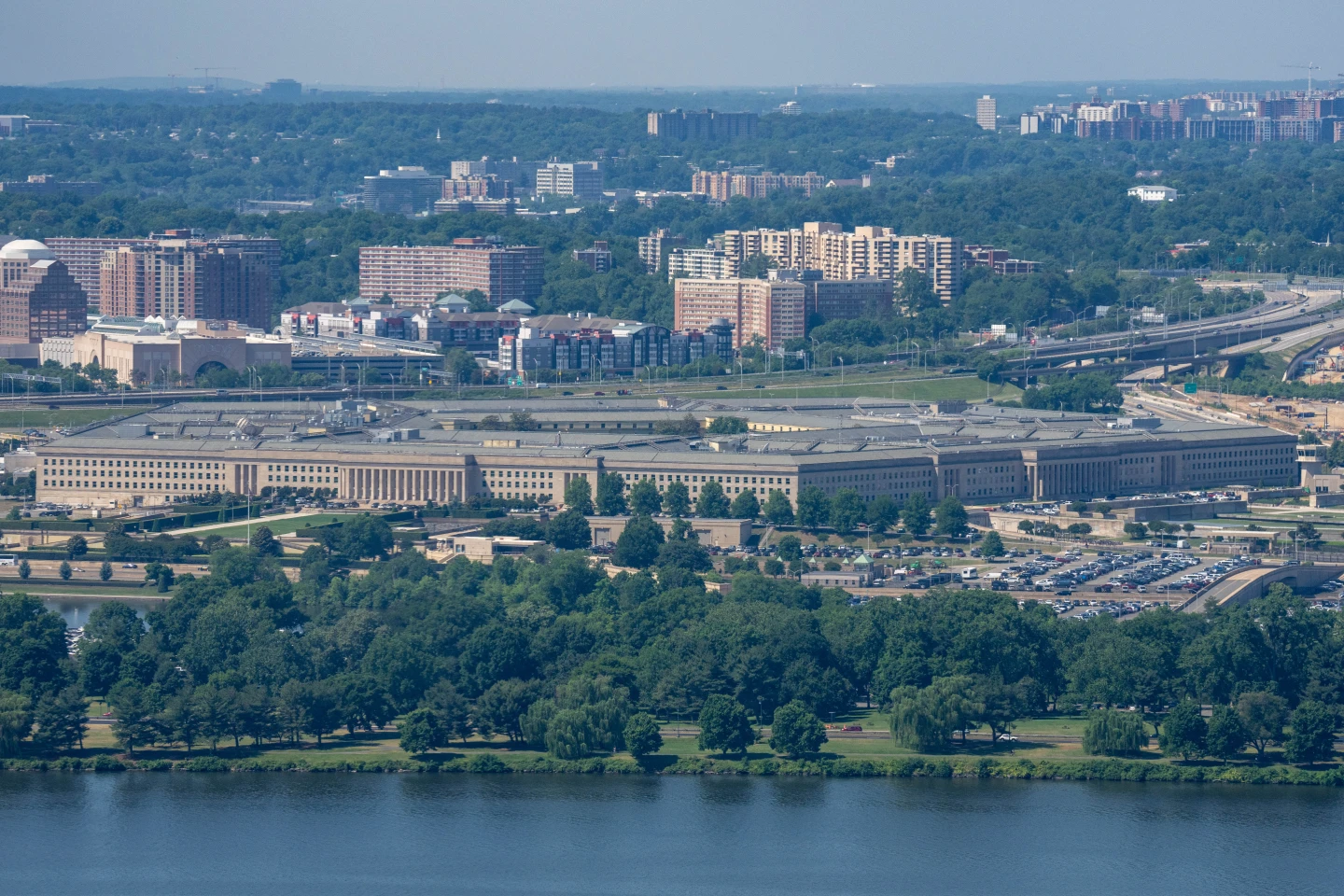
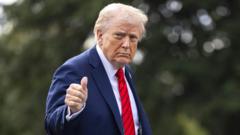
The United States, under President Donald Trump, and Israel’s Prime Minister Benjamin Netanyahu launched a joint strike campaign against Iranian targets on the last day of February. The aim was clear: bring the regime in Tehran to collapse and liberate the Persian Gulf from nuclear threat.
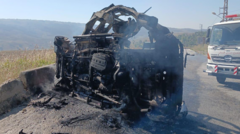
The plan hinged on swift regime change, a scenario that had never happened there. What unfolded instead was a relentless back‑lash: Iran successfully shot down an Apache helicopter and has kept its hold over the Strait of Hormuz, one of the world’s most vital shipping lanes, intact. These actions underscored that the Iranian government’s survival is not only robust but deeply rooted in religious and ideological conviction.
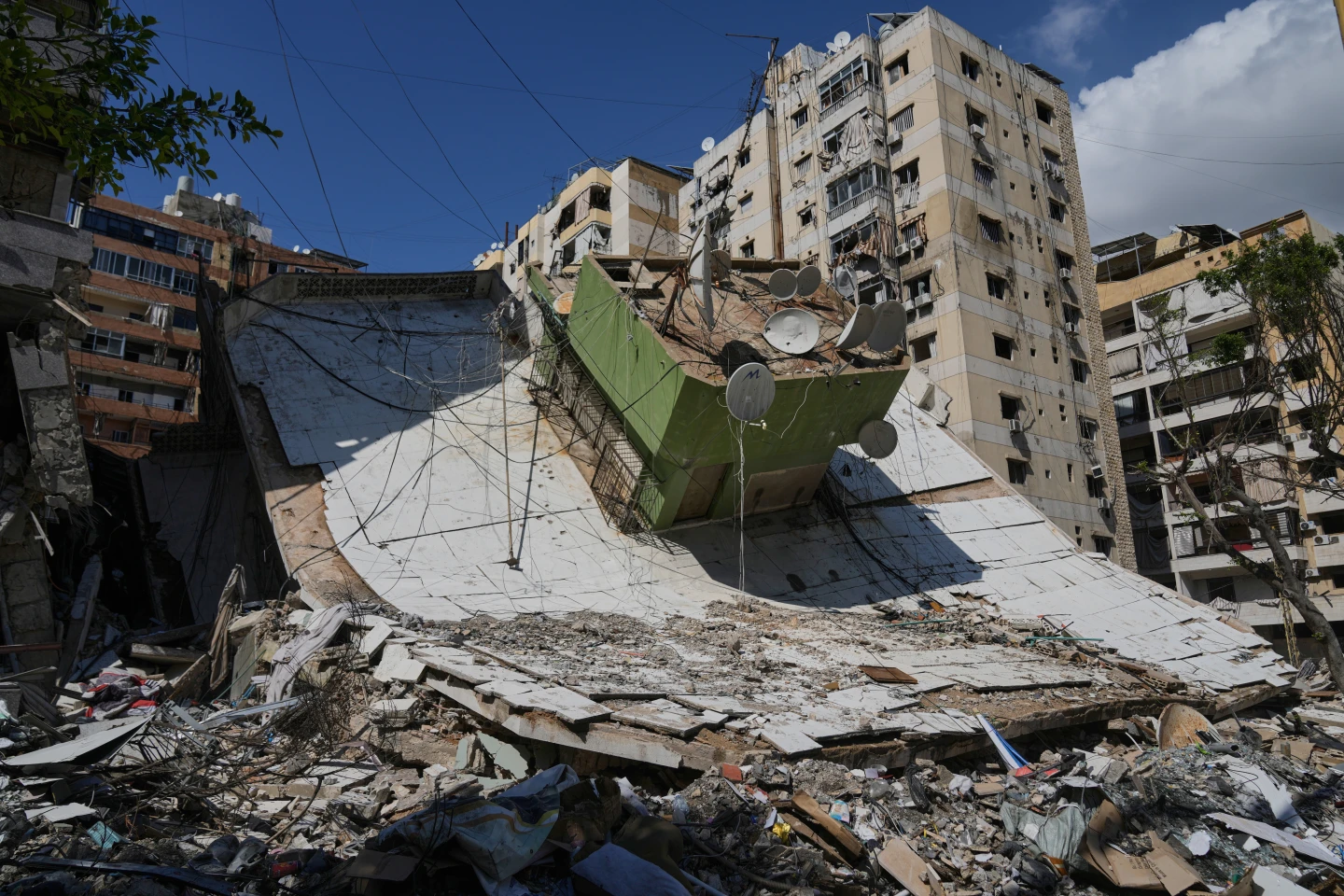
Meanwhile, Israel persisted with heavy bombings in Lebanon, striking areas it sees as a front against Hezbollah. The dual fronts have stretched the conflict beyond a simple exchange of blows, anchoring it in a broader permacrisis that could erupt unpredictably.
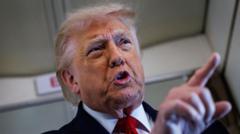
Trump, keen to present a victory to his American electorate, underestimated the resilience of Iran and overestimated how much pressure the U.S. military could apply. Netanyahu, determined to demonstrate Israeli military might over 40 years, likewise misjudged Iran’s capacity to endure sustained attacks and its appetite for hard‑line retaliation.
Current diplomatic channels are fragile; the Strait of Hormuz remains closed, and global markets fear the economic fallout. A laborious negotiation that honors “reform” and “reconstruction” objectives may be possible, but each side’s strategic calculation now places them at odds over immediate war termination versus the pursuit of broader security assurances.
As the cycle persists, the implications reach beyond the immediate theatre. Gulf states, long‑time allies and once‑wealthy nations now face a ripple effect that hampers investment, tourism, and stability—energy resources, byzantine agreements, and future finance all hinge on a maritime corridor that Brazil and the United Nations cannot ignore.