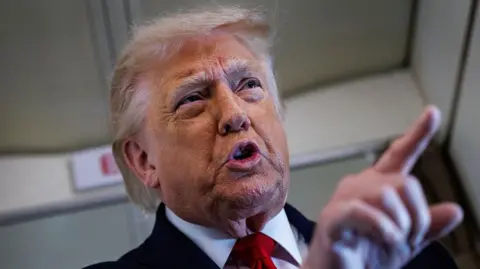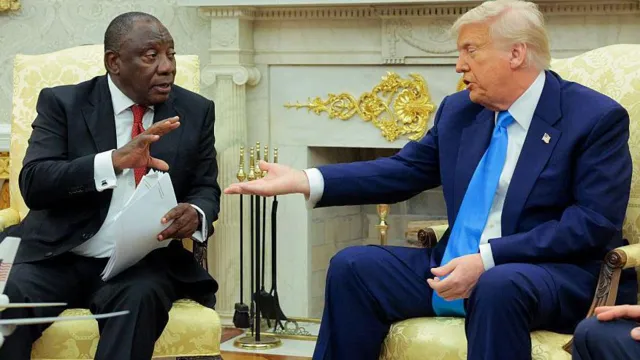
Following an exchange of airstrikes, President Donald Trump warned Iran that the country would pay the price if it failed to comply with negotiations, asserting that Tehran had been "completely defeated" and was "all talk and no action".
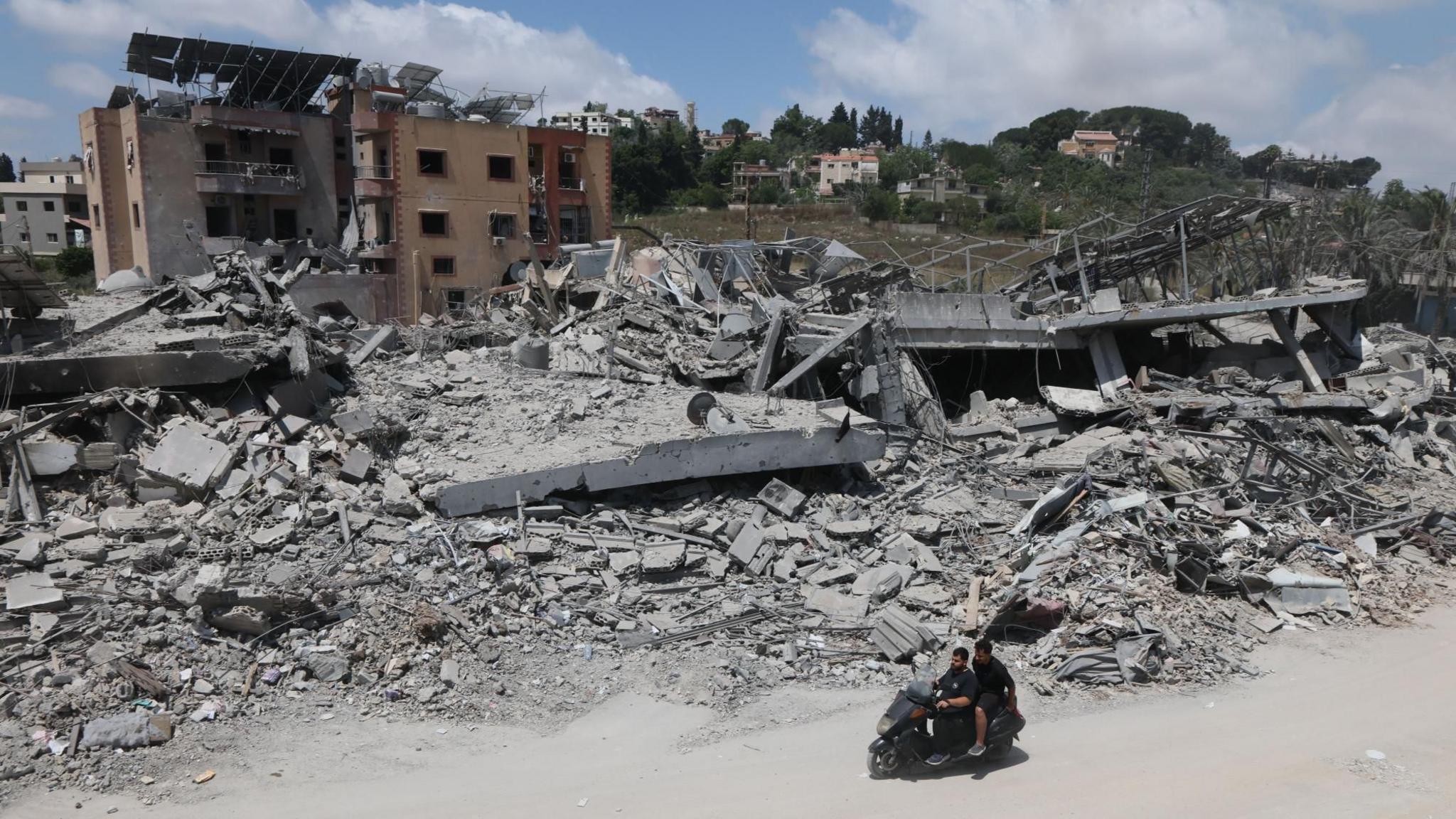
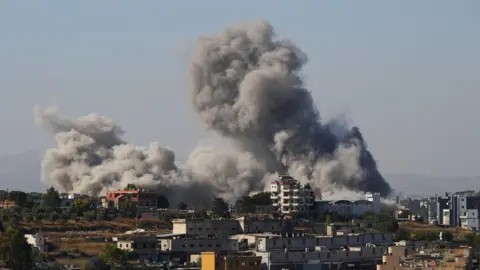
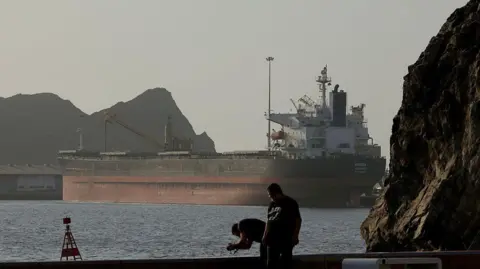
The conflict began when a US Army helicopter was downed in the Gulf of Oman, prompting the United States to strike Iranian sites on Wednesday. In retaliation, Iran launched attacks on US bases in Bahrain and Jordan, targeting defense systems and radar sites near the Strait of Hormuz. The Islamic Revolutionary Guard Corps (IRGC) confirmed strikes on 21 US‑related targets, while Kuwait said it intercepted an attack.
Iran’s Foreign Minister Abbas Araghchi issued a warning that the country would “leave no attack or threat unanswered”, claiming the US had suffered defeats on the battlefield—language mirroring the US’s own portrayal of the conflict.
Trump’s comments, broadcast on Truth Social, contrasted sharply with earlier statements that the US and Iran were “in the final throes of what will be a very, very good deal.” He emphasized that Iran’s military had diminished capabilities and that the nation’s time to negotiate a deal had passed.
In response, Iran’s foreign ministry spokesman Esmaeil Baqai accused the United States of damaging diplomatic efforts through contradictory messaging and repeated ceaseless violations of the ceasefire, calling for a reassessment of the situation to restore stability.
The escalating rhetoric signals a volatile standoff that could spill over into the broader Middle East. Observers note that both sides maintain aggressive postures while also projecting a hope for a diplomatic resolution—an uneasy balance that could either de-escalate or trigger a wider conflict.