In brief
A month after a mass exodus from Morocco, Ceuta’s streets have turned violent as locals confront swarms of migrants camped on the beach. The Spanish government’s handling of the crisis is criticized, with opposition leaders accusing it of stoking division. Incidents include arson, blocked aid, arrestees for stone‑throwing, and police clashes, while the government moves to centralise management and promises immigration reform. The unrest also highlights broader disputes over sovereignty with Morocco.
A month after tens of thousands of migrants surged into Ceuta, a Spanish exclave on North Africa’s coast, streets have erupted in violence and tension between the new arrivals and local residents. The government faces mounting criticism for its perceived failure to manage the surge, while opposition parties accuse it of stoking division.
On 30 and 31 July, at least 72,000 people crossed from Morocco into Ceuta, swimming past a border fence; estimates suggest at least 100 drowned during the mass crossing. The bulk of the migrants returned to Morocco within hours, yet thousands—including many children—remain, sleeping on beaches and streets in makeshift camps.
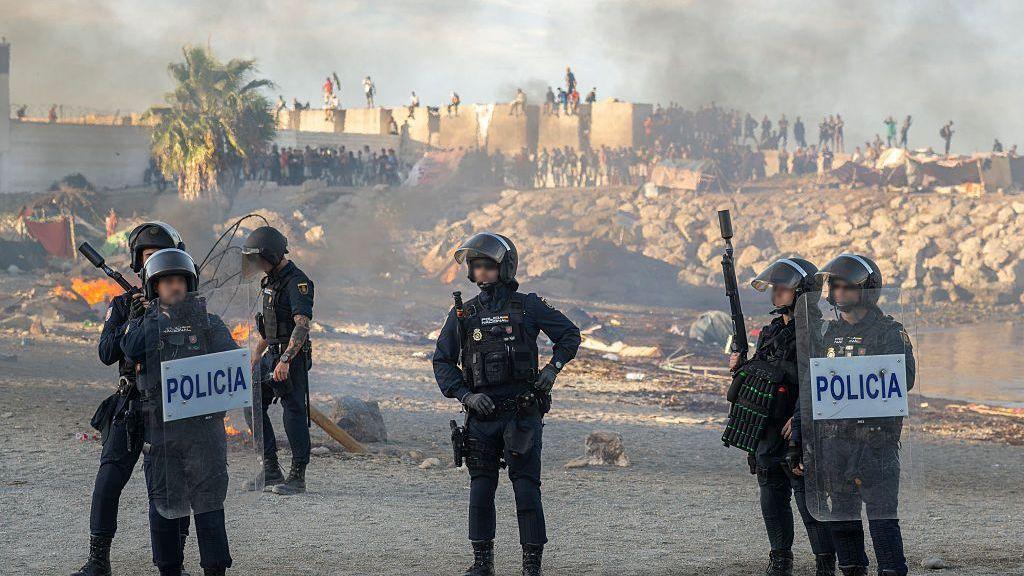
Local protests began largely peacefully but have turned violent in recent days. On Thursday, demonstrators blocked Red Cross volunteers from distributing food and water, then set fire to camps on Trampolín beach, the main sleeping site for refugees. Clashes erupted with police, and the same day 12 migrants were arrested for throwing stones at a military vehicle, damaging its windows and injuring four soldiers. Reports also name vigilante groups pursuing migrants on the streets. Journalists and film crews have been threatened as well.
The mayor of Ceuta, conservative Juan Jesús Vivas, urged calm, calling the crisis an “attack on the dignity of Spain” and a threat to normality. The opposition, led by Spain’s Socialist Party, has appealed for restraint and accused “the invaders” of creating a problem for residents. On Friday, all political parties in the local assembly signed a declaration condemning violence.
The central government has stepped in, taking control of crisis management and announcing plans to overhaul immigration laws. Defense Minister Margarita Robles apologized to citizens who feel abandoned and pledged better care for those affected. Plans include housing migrants in existing public buildings—sports centres, for instance—to process their status and return those not eligible for asylum to Morocco. Local opposition fears this would bring migrants closer to residential areas.
The broader dispute over sovereignty adds another layer. Morocco has asserted long‑standing claims over Ceuta and its twin city Melilla, prompting Spain’s Foreign Minister José Manuel Albares to reject the allegations outright. Meanwhile, politicians on the far right and far left blame Morocco for the crossing, while the Socialist Party blames traffickers and cites Morocco’s cooperation in promptly returning most arrivals.
Images of the conflict show police in riot gear on Trampolín beach, flames engulfing tents, and demonstrators blocking aid trucks, illustrating the volatile atmosphere in this critical frontier city.