Somaliland Opens Embassy in Jerusalem After Israel’s Recognition of its Independence
The breakaway region of Somaliland has established a diplomatic mission in western Jerusalem—a move that follows Israel’s historic decision last December to recognise it as a sovereign state.
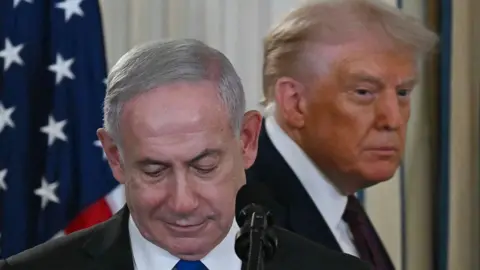
The embassy, located in a technology park near the city’s northern edge, opened while President Abdirahman Mohamed Abdullahi was on an official visit to Israel. Prime Minister Benjamin Netanyahu spoke of a “deep spiritual bond” between the peoples of Israel and Somaliland, underscoring the symbolic significance of the new mission.
Israel’s recognition was met with criticism from a range of international actors, including China, Turkey, Saudi Arabia and the African Union, and sparked controversy over the status of Jerusalem itself. The Palestinian Authority condemned the establishment of the “Somaliland embassy” in what it calls the occupied city, calling the move a violation of international law.
Somaliland, which declared independence in 1991 after the collapse of Somalia’s central government, has maintained its own elections, currency, and security forces, and is generally viewed as more stable than southern Somalia. Its diplomatic foray into Jerusalem signals a strategic attempt to secure allies in a volatile region, with Israel seeking a dependable partner in the Horn of Africa’s shifting political landscape.
The new embassy also reflects a wider trend: several nations—Guatemala, Honduras, Kosovo, Papua New Guinea, Paraguay and Fiji—have opened diplomatic missions in Jerusalem following the United States’ 2018 decision to move its embassy from Tel Aviv to the capital. The move may have geopolitical implications for the future of the Israeli‑Palestinian conflict and international recognition of contested states.