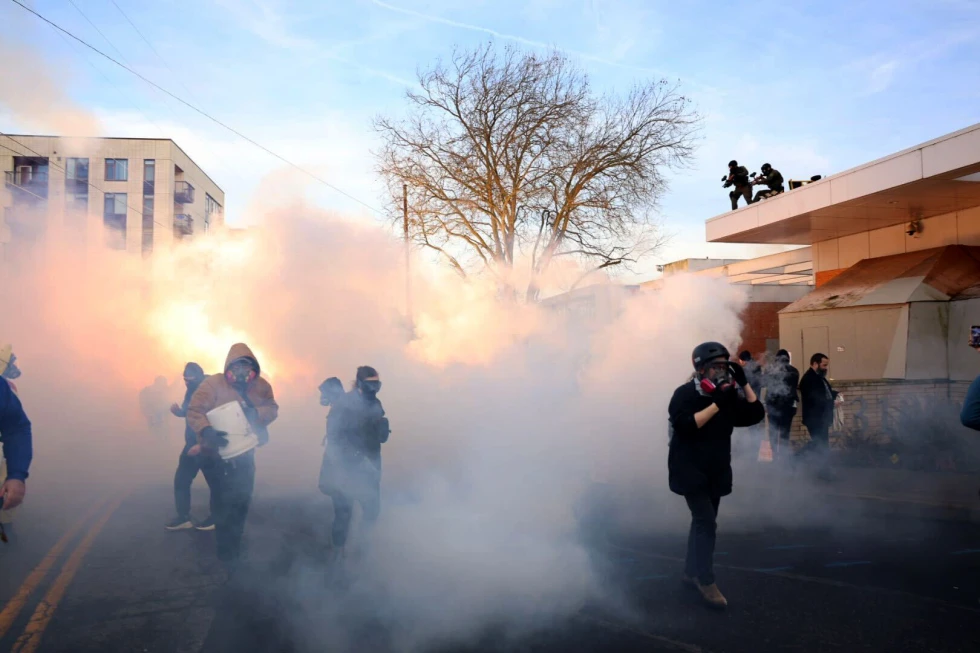
WASHINGTON (AP) — As a partial government shutdown looms at the end of the week, Democratic senators are refining their list of demands for changes to U.S. Immigration and Customs Enforcement (ICE). This initiative is partly a response to the recent deaths of two individuals at the hands of federal agents in Minneapolis.
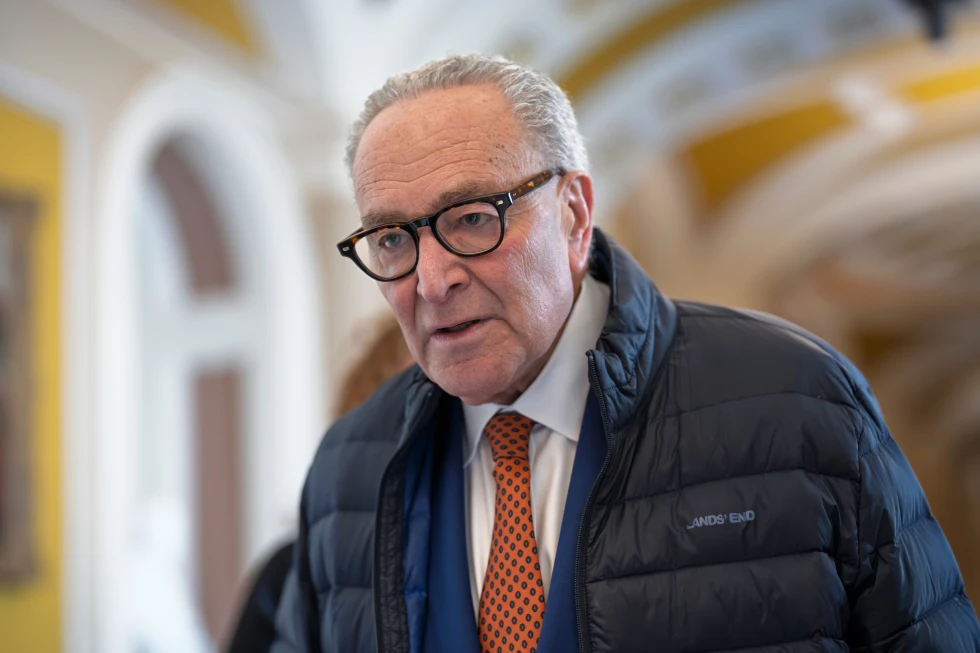
Democratic leader Chuck Schumer has yet to detail the specific changes his caucus will advocate for ahead of a crucial Thursday vote regarding spending legislation that funds the Department of Homeland Security and other government agencies. A meeting is planned for Wednesday to discuss key demands, which may include requiring federal agents to possess warrants and identify themselves before carrying out immigration arrests. Democrats have indicated they may block the spending bill unless their concerns are addressed.
“This madness, this terror must stop,” Schumer stated, calling for immediate reforms to ICE and the U.S. Border Patrol.
Senate Majority Leader John Thune (R-S.D.) mentioned he is waiting for Democrats to clarify their requests, suggesting they should communicate more directly with the White House.
Concerns have been raised over the administration's engagement with the proposed changes, and given the Republicans' control over the House, reaching an agreement before the shutdown deadline on Saturday looks increasingly challenging.
In the face of a possible deadlock, Democrats are proposing several reforms. These include mandating judicial warrants for immigration arrests, abolishing arrest quotas, sending agents back to the border, and ensuring state-local cooperation in investigations tied to violent incidents like the recent shootings.
Senator Chris Murphy from Connecticut highlighted that the proposed reforms are straightforward and do not necessitate new comprehensive legislation, implying that these adjustments could help unify both the Democratic caucus and the country.
Schumer and Murphy emphasize the need for any changes to be formalized through congressional action rather than mere promises from the administration, stating, “The public can’t trust the administration to do the right thing on its own.”
Republican leaders, on the other hand, indicate that any alterations to funding will require approval from the House, casting doubt on their feasibility within the current legislative framework.
As the political environment remains charged, both sides face growing pressure to bridge their differences before a government shutdown exacerbates public discontent.