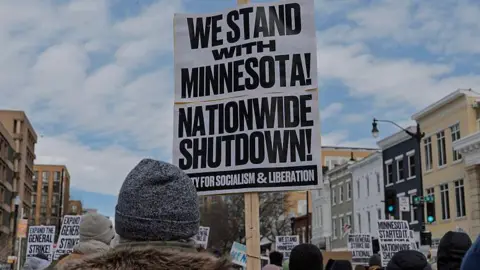
Negotiations to avert a US government shutdown have intensified in Washington DC, with officials reportedly moving towards an agreement in negotiations over the Trump administration's immigration enforcement operation.
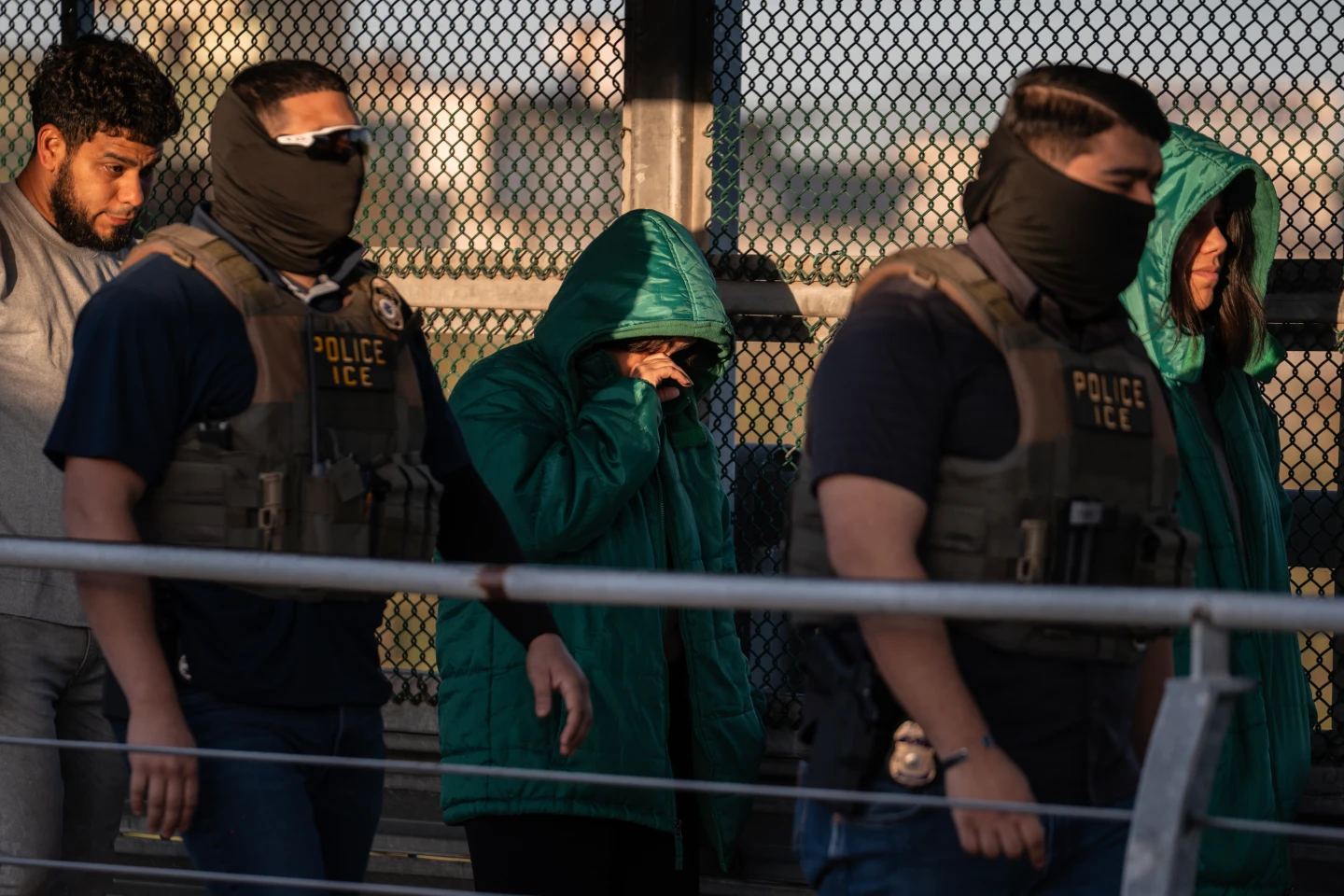
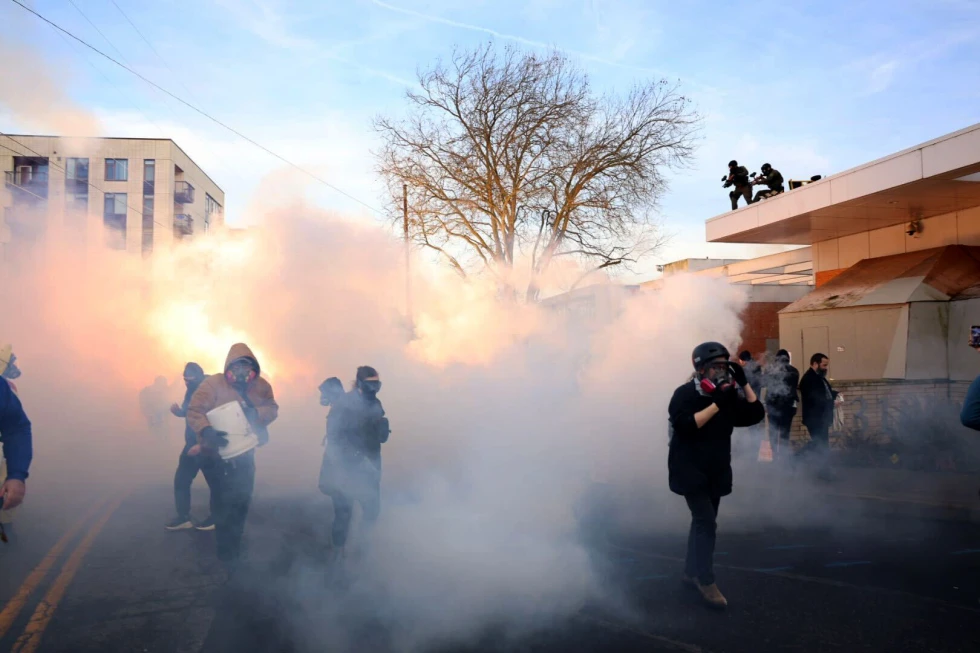
Democrats have been pushing to remove funding for the Department of Homeland Security (DHS) from a $1.2 trillion (£870 billion) government spending package following the fatal shooting of 37-year-old Alex Pretti in Minneapolis on Saturday.
US media report that the White House and Senate Democratic leadership are nearing an agreement that would meet Democratic demands to introduce new restrictions on federal immigration agents.
This would mean five of the six spending bills could be passed before the Friday deadline, while the DHS one would get a short-term extension to allow time for more discussion on the proposed new restrictions, including regulations on agent behavior.
If no deal is struck, the second shutdown within months will commence one minute after midnight on Friday, January 30.
How likely is a government shutdown?
The spending bill has already passed in the House of Representatives, but needs 60 Senate votes to advance.
Changes sought by Democrats include requirements that federal agents obtain warrants before making arrests and clearer identification protocols.
With only 53 Republican senators in the 100-member body, passing the bill will require some Democratic support.
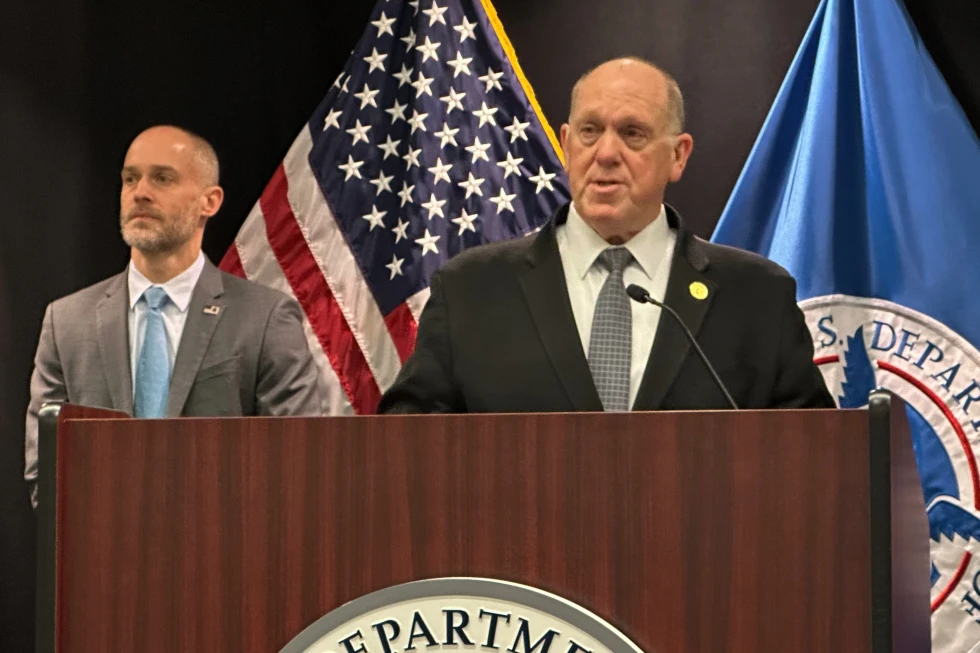
Earlier this week, Senate Minority Leader Chuck Schumer expressed his stance, stating he would vote against any legislation that funds ICE without significant reforms.
In contrast, Republican Senate Majority Leader John Thune mentioned ongoing productive negotiations.
Negotiations will likely extend into discussions about DHS-related funding, impacting various branches of government if a shutdown occurs.
What is a 'partial shutdown' and who could be impacted?
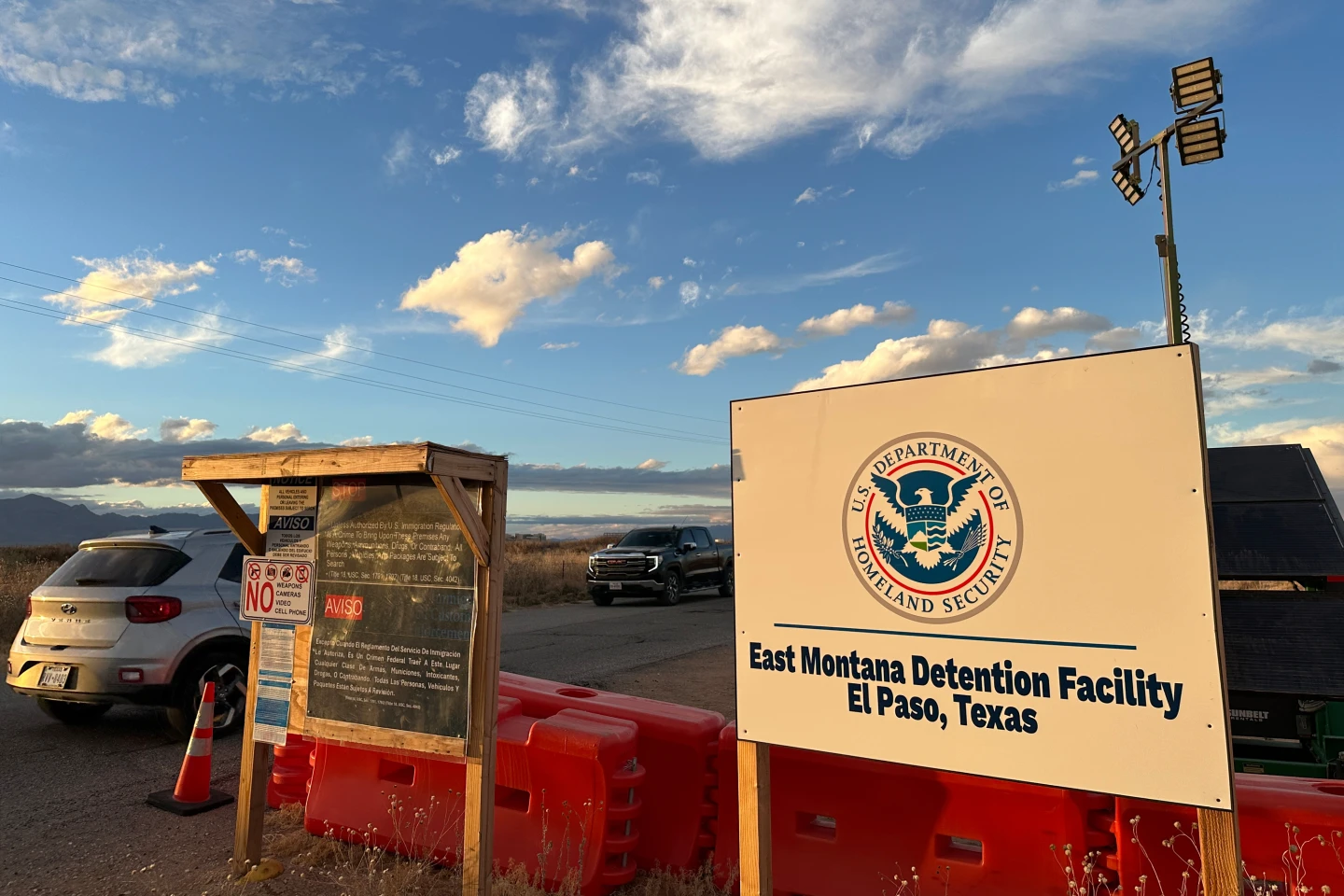
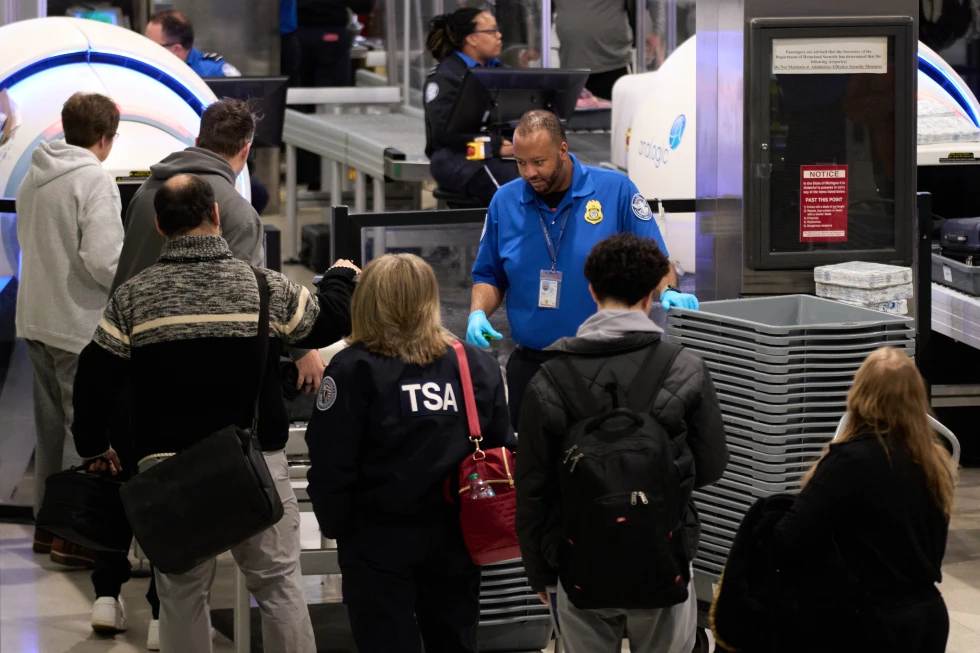
Should a shutdown occur, some federal agencies will continue to receive funding, while departments tied directly to the DHS will be affected.
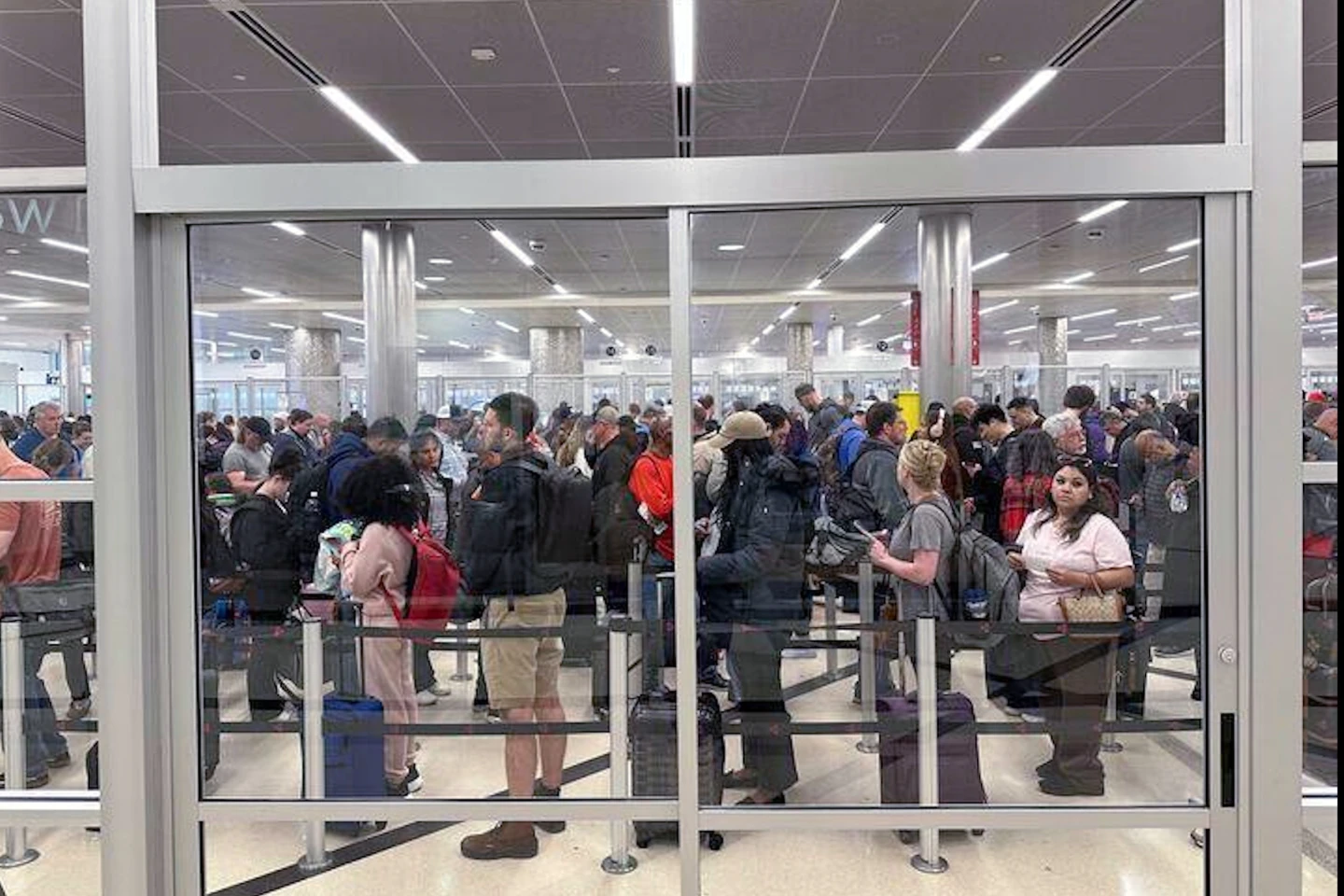
This could impact essential services, including tax processing and healthcare research, potentially disrupting normal operations across multiple sectors.
In the event of a shutdown, only essential employees will remain at work without pay until funding has been restored, leading to challenges for many impacted agencies.
How long was the last shutdown?
The most recent US government shutdown lasted 43 days from October 1 to November 12, marking the longest on record.
Throughout the political landscape, the outcome of the ongoing discussions remains pivotal for both parties as they navigate the complex dynamics of government funding and immigration policy.