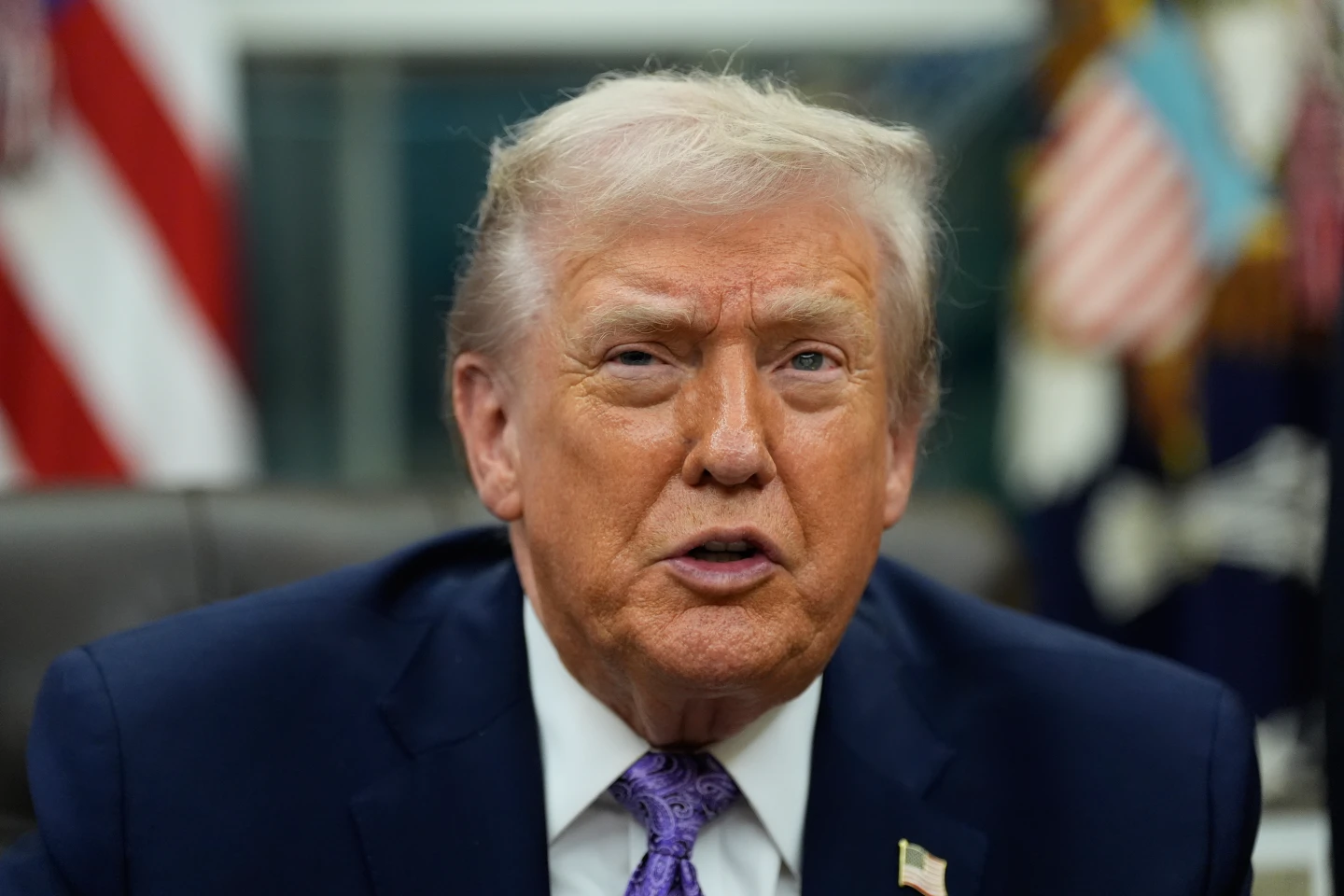
WASHINGTON (AP) — In the wake of President Donald Trump’s provocative remarks about acquiring Greenland, a wave of resistance has emerged among Republican lawmakers, who fear such a move could seriously undermine NATO alliances and American foreign policy credibility.
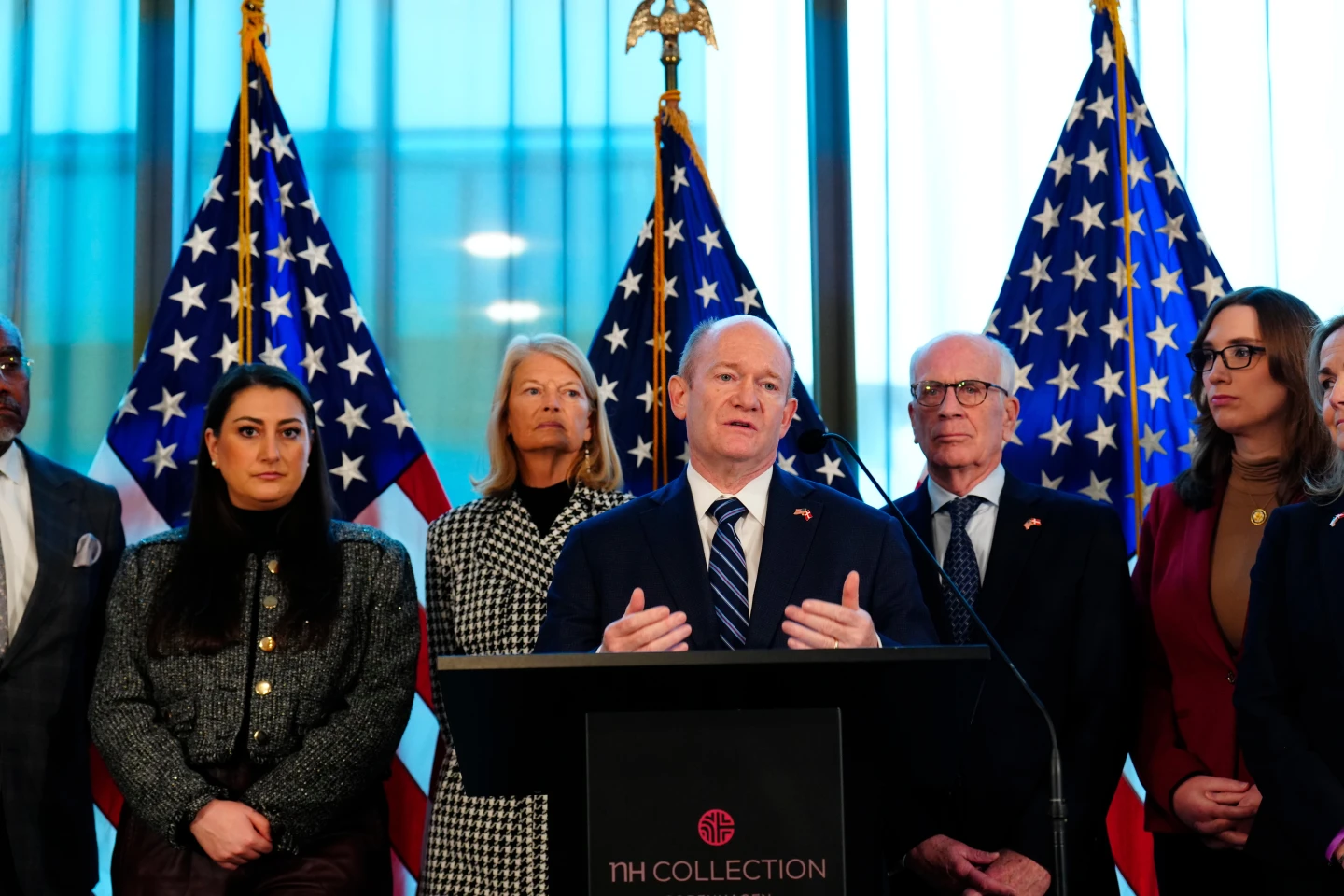
Last week, several lawmakers voiced their concerns, emphasizing the significance of NATO through floor speeches and introducing preventative measures aimed at avoiding military conflict with Denmark. Notably, some traveled to Copenhagen for discussions aimed at de-escalating tensions and reinforcing bilateral military agreements.
Sen. Chris Coons (D-Del.) noted that threats from the U.S., particularly from its president, demand serious consideration, leading him to organize bipartisan talks in Denmark to discuss mutual interests. Alongside Republican senators Thom Tillis and Lisa Murkowski, they aimed to quell fears and maintain strategic partnerships.
Lawmakers are united in their belief that Trump's aggressive proposal could strain relationships with key allies. Senate Majority Leader John Thune highlighted the broad opposition to such radical options, while former Republican leader Mitch McConnell warned that an attempt to seize Greenland would irreparably damage trust with allies and tarnish Trump’s foreign policy legacy.
In response to Trump's claims that the U.S. should secure Greenland to counter China and Russia's potential interest, lawmakers are pursuing legislative avenues to limit military action against NATO allies. Some Republicans, including Murkowski, are advocating for legislation to inhibit military funding intended for aggressive actions without congressional approval.
The dialogue surrounding Greenland illustrates the delicate balance lawmakers must maintain in addressing Trump's foreign policy ambitions while protecting American values of democratic alliances and international cooperation.