In brief
In a significant diplomatic breakthrough, Canada and China have agreed to lower tariffs in a bid to reset their relationship. Prime Minister Mark Carney's visit to Beijing has led to the reduction of tariffs on Canadian canola oil and a compromise on Chinese electric vehicles during a historic meeting with President Xi Jinping. This agreement reflects an evolving trade dynamic amidst ongoing geopolitical uncertainties.
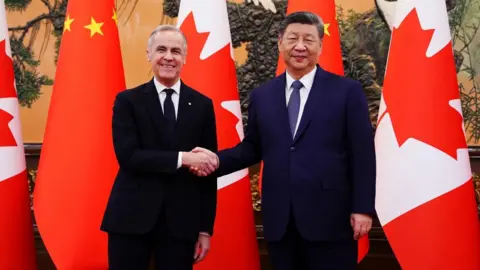
Chinese leader Xi Jinping and Canadian PM Mark Carney have announced lower tariffs, signalling a reset in their countries' relationship after a key meeting in Beijing.
China is expected to lower levies on Canadian canola oil from 85% to 15% by March 1, while Ottawa has agreed to tax Chinese electric vehicles at a most-favoured-nation rate of 6.1%, Carney informed reporters.
This deal is a notable breakthrough after years of strained ties and tit-for-tat levies. Xi hailed the turnaround in their relationship while Carney, the first Canadian leader to visit China in nearly a decade, has sought to diversify Canadian trade following uncertainties stemming from U.S. tariffs.
The agreement could foster increased Chinese investments in Canada, strategically positioned next to the U.S. Carney alluded to how Trump's tariffs forced one of America's allies closer to a rival.
Recent months have seen a more predictable rapport between Canada and China, Carney noted, while still addressing Canada's red lines on human rights and election interference during discussions with Xi.
Analysts suggest that Carney's visit might serve as a template for other nations facing similar pressures from U.S. tariffs. In response, Xi has shown desire for pragmatic cooperation, advocating for a mutualistic approach to international relations.
The historical context of this meeting cannot be overlooked; the last Canadian PM to visit China was Justin Trudeau in 2017. Following Trudeau's visit, diplomatic relations soured after tensions arose from the arrest of Huawei CFO Meng Wanzhou.
In summary, the new political environment may enhance economic collaboration, opening doors for future negotiations aimed at fostering trade and resolving outstanding issues.