Prime Minister Mark Carney's new approach to Canada's foreign policy can perhaps be distilled in one line: We take the world as it is, not as we wish it to be.
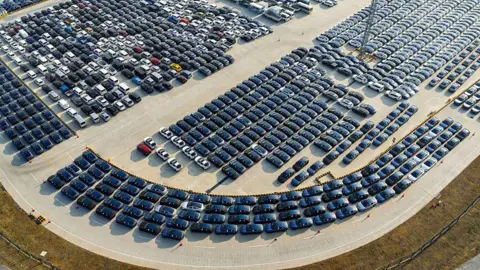
This statement reflects his response when asked about the recent trade deal struck with China, which occurs nearly a year after he referred to China as the biggest security threat to Canada. The agreement will eliminate tariffs on Chinese electric vehicles that Canada had imposed alongside the US in 2024, in exchange for China reducing tariffs on essential Canadian agricultural products.
Experts suggest that this move represents a significant shift in Canadian policy regarding China, driven by ongoing uncertainties surrounding its primary trade partner, the US. Eric Miller, a trade adviser, noted that Canada is asserting its independence by not merely waiting for directives from the United States.
According to Carney, the arrangement with China positions Canada favorably in the evolving global landscape, stating that it makes Canada’s relationship with China more predictable than that with the current US government. He elaborated that the deal is a decisive recalibration of Canada's trade relations aimed at fostering beneficial investments from China into its automotive sector.
However, reactions within Canada to the deal have been mixed. While Saskatchewan Premier Scott Moe praised it as very good news, Ontario Premier Doug Ford criticized the deal, arguing it could undermine the Canadian auto industry by allowing an influx of cheaper Chinese electric vehicles. Experts forecast that the agreement may lead to a significant market share shift towards Chinese automakers, placing pressure on existing US manufacturers like Tesla.
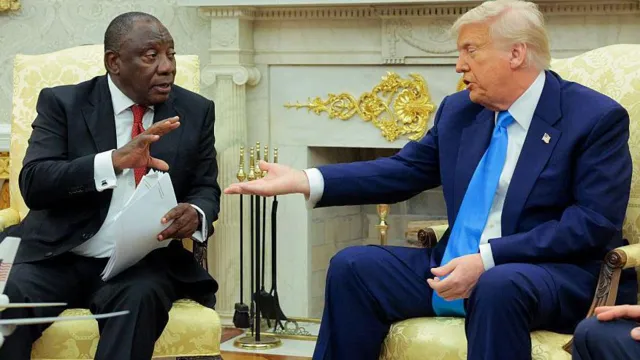
The anticipated increase in Chinese EV sales has raised concerns about the long-term implications for the US-Canada trade relationship, especially with President Trump expressing mixed sentiments about the deal. Despite some apprehensions, Carney remained optimistic about securing Canadian economic interests amidst deepening global trade ties with China.