In brief
In a landmark shift, Canada has agreed to ease tariffs on Chinese electric vehicles while China reduces tariffs on key Canadian agricultural exports. Prime Minister Mark Carney's new foreign policy acknowledges the changing landscape of global trade, emphasizing Canada's growing agency amid US uncertainties. The deal has sparked mixed reactions domestically and internationally, indicating a recalibration of Canada's economic strategy.
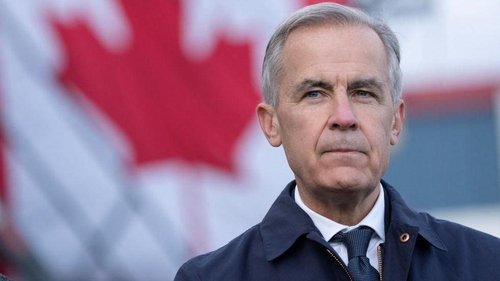
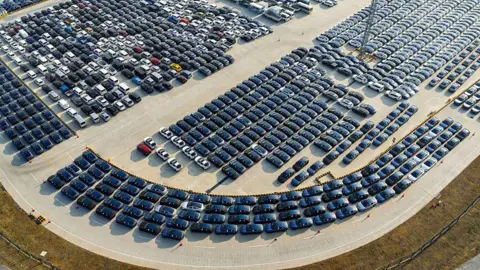
Prime Minister Mark Carney's new approach to Canada's foreign policy can perhaps be distilled in one line: We take the world as it is, not as we wish it to be. That was his response when asked about the deal struck with China on Friday, despite concerns over its human rights record and nearly a year after he called China the biggest security threat facing Canada. The deal will see Canada ease tariffs on Chinese electric vehicles that it imposed in tandem with the US in 2024. In exchange, China will lower retaliatory tariffs on key Canadian agricultural products.Experts have commented that the move represents a significant shift in Canada's policy on China, one that is shaped by ongoing uncertainty with the US, its largest trade partner. Eric Miller, a trade adviser based in Washington DC, emphasized that Canada is asserting its agency rather than being reliant on US decisions.The deal drops Canada's levies on Chinese EVs from 100% to 6.1% for the first 49,000 vehicles imported per year, with the potential for this quota to rise. In return, China will significantly cut its tariffs on Canadian canola seeds from 84% to around 15%. This new agreement has generated diverse reactions across Canadian provinces, with some leaders praising it for providing much-needed relief to farmers, while others expressed concerns regarding the potential impacts on local auto manufacturers.With the trade landscape becoming increasingly unpredictable, particularly due to shifting US policies, this deal marks a crucial step for Canada in recalibrating its international trade relationships. Many analysts suggest this may reflect a strategic realignment in light of uncertainties surrounding future trade agreements with the United States.