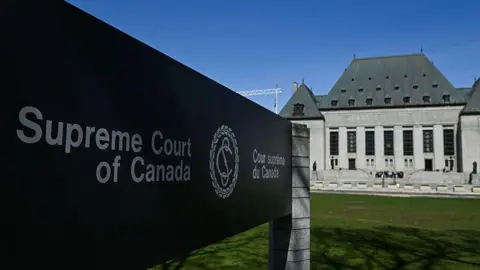
Christine Van Geyn, executive director of the Canadian Constitution Foundation, describes the case as potentially the most critical constitutional dispute in a generation, implicating not only questions of religious expression but fundamental issues of national identity.
The's legislation was strategically crafted to withstand legal scrutiny, leveraging a controversial maneuver that allows it to supersede aspects of the Canadian Charter of Rights and Freedoms. Critics, including the Canadian Civil Liberties Association, argue that this resurgence of the notwithstanding clause introduces a chilling precedent regarding the government’s power to restrict rights deemed fundamental in a democracy.
The Supreme Court hearings are expected to delve deeply into the implications of this law for national unity and the rights of minority groups, particularly impacting Muslim communities that have felt disproportionately affected by the legislation. Over 50 interveners, including the federal government, will present their arguments over a four-day period beginning Monday.
As debates concerning secularism and state neutrality intensify, Quebec argues that the bill is vital for maintaining civic harmony and religious neutrality, while opponents assert that it undermines the rights and dignity of religious minorities. The outcome of this case is set to resonate throughout the country, influencing how constitutional clauses are interpreted and employed in the future.