SIOUX FALLS, S.D. (AP) — Millions of Americans now have a significantly easier route to obtaining Canadian citizenship, igniting a surge in inquiries into ancestry as individuals and families file for dual citizenship.
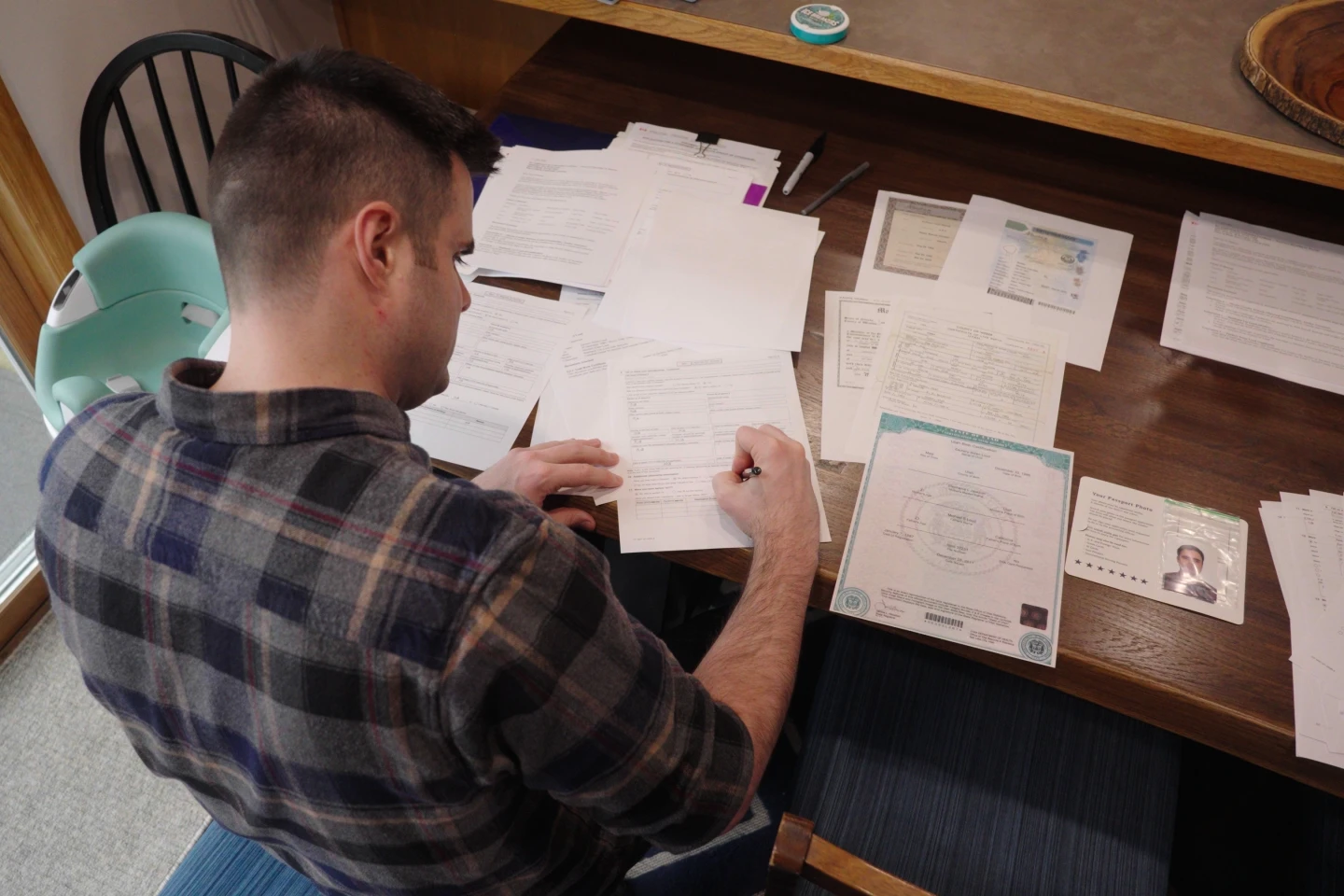
For example, Zack Loud from Minnesota discovered that a recent legislative change recognized him and his siblings as citizens by descent, thanks to their grandmother's Canadian roots. We were already discussing potential job opportunities abroad, but now Canada tops our list, he shared.
Since the law was enacted on December 15, 2025, immigration lawyers have reported being inundated with requests for assistance in navigating the new citizenship process. Factors such as political climate, family connections, and employment prospects have prompted countless Americans to consider applying for dual citizenship.
Nicholas Berning, an immigration attorney from Bellingham, Washington, described his practice as “flooded” with inquiries about the new law. Meanwhile, Amandeep Hayer from Vancouver noted his daily consultations have skyrocketed to more than 20 cases.
Previously, Canadians could only pass citizenship down one generation, but Bill C-3 changed this, allowing anyone born before December 15, 2025, with a direct Canadian ancestor to apply, thereby expanding eligibility significantly.
Many Americans are motivated by factors such as President Trump's policies on immigration, with individuals like Michelle Cunha, who after years of political involvement, sees obtaining Canadian citizenship as a viable option to escape a disappointing political landscape in the U.S.
Costs associated with the application vary; the filing fee for immediate proof of citizenship is CAD 75 but may rise significantly for those seeking professional legal assistance.
As the waiting time for application approvals stretches to about ten months, Canadian officials noted that while they welcomed new citizens, they also expressed concerns about the influx of applications potentially delaying assistance to refugees and asylum seekers in need.
Overall, the new law has not only simplified the path to citizenship for many but also opened discussions about identity, belonging, and future opportunities across borders.