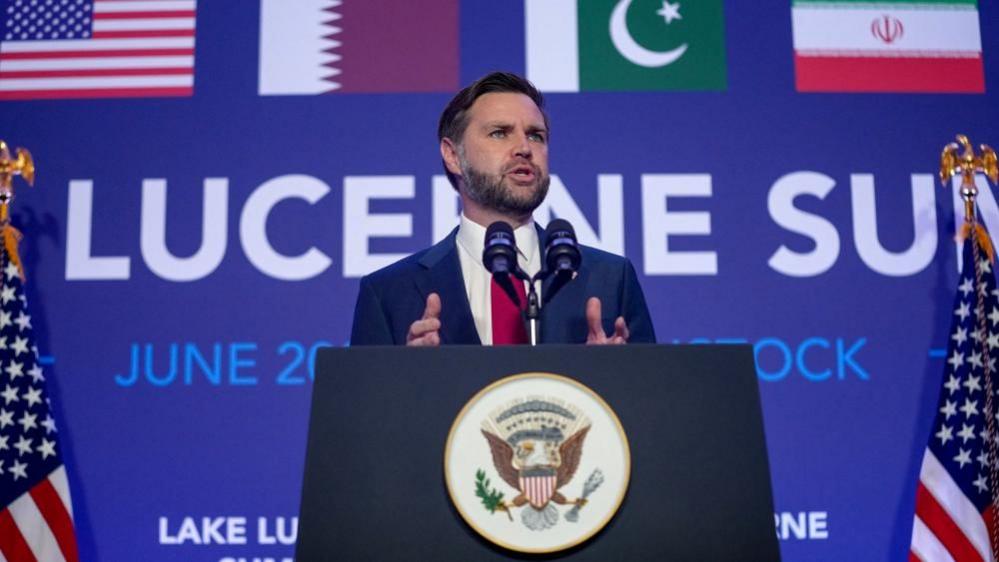
Tuesday began as a frantic day of diplomacy in Washington, with Air Force Two ready to fly Vice President JD Vance to Islamabad for another round of peace talks between the US and Iran.
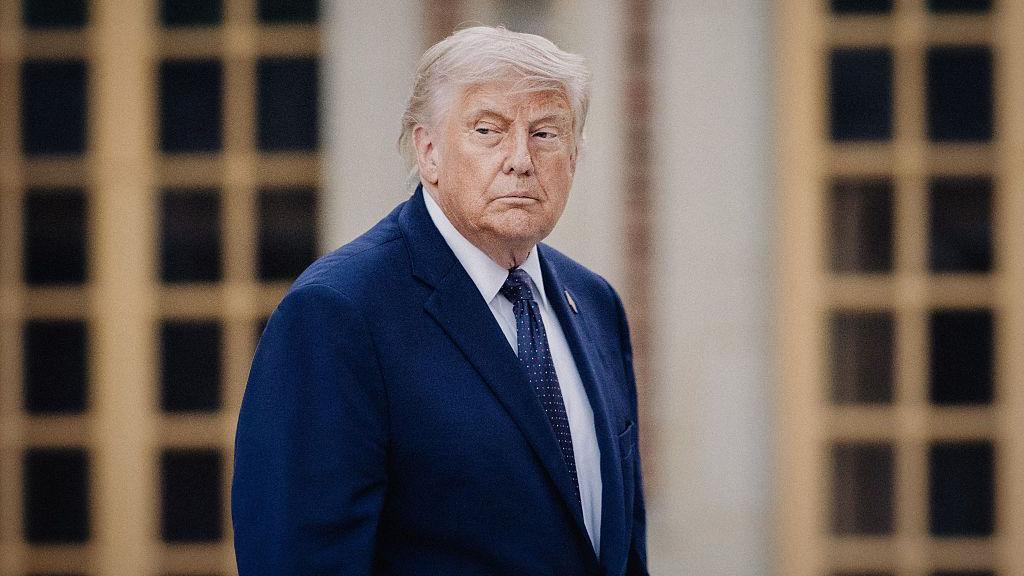
Several hours later, Air Force Two hadn't taken off and the negotiations were postponed. President Donald Trump announced that he would extend the ceasefire with Iran, set to expire on Wednesday evening, to allow the regime more time to create a unified proposal to end the war.
In between, Trump weighed his options as the world waited to see if the countries were any closer to ending the war. Trump's decision marked the second time in as many weeks that he has backed off a threat to escalate the war, buying himself more time to wind down a conflict as it approaches the two-month mark.
Vance never officially announced the Islamabad trip, leaving Washington guessing. And Iran never officially committed to attending the talks, leaving the White House in the difficult position of deciding whether or not to send Vance with no assurance that Tehran would even come to the table.
As the day wore on, signs of a postponement emerged. Special envoy Steve Witkoff and Trump's son-in-law Jared Kushner, senior members of the US negotiating team led by Vance, flew to Washington from Miami instead of heading straight to Islamabad. Soon after, Vance made his way to the White House for policy meetings as the president and his senior advisers debated what to do next.
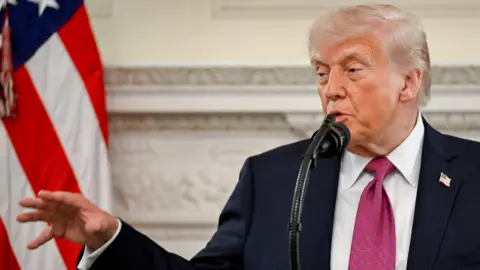
In the end, Trump announced the ceasefire extension on Truth Social, his preferred means for war updates since it began in late February. The president said he made the decision at the request of Pakistan, which has mediated talks between Tehran and Washington.
We have been asked to hold our Attack on the Country of Iran until such time as their leaders and representatives can come up with a unified proposal, Trump said.
Notably, Trump this time did not specify how long the ceasefire might last. Earlier this month, he set a two-week deadline for the first ceasefire. That came after conflicting comments in press interviews, during which he said the talks were going well but also warned that he would consider resuming the war if Iran refused to negotiate.
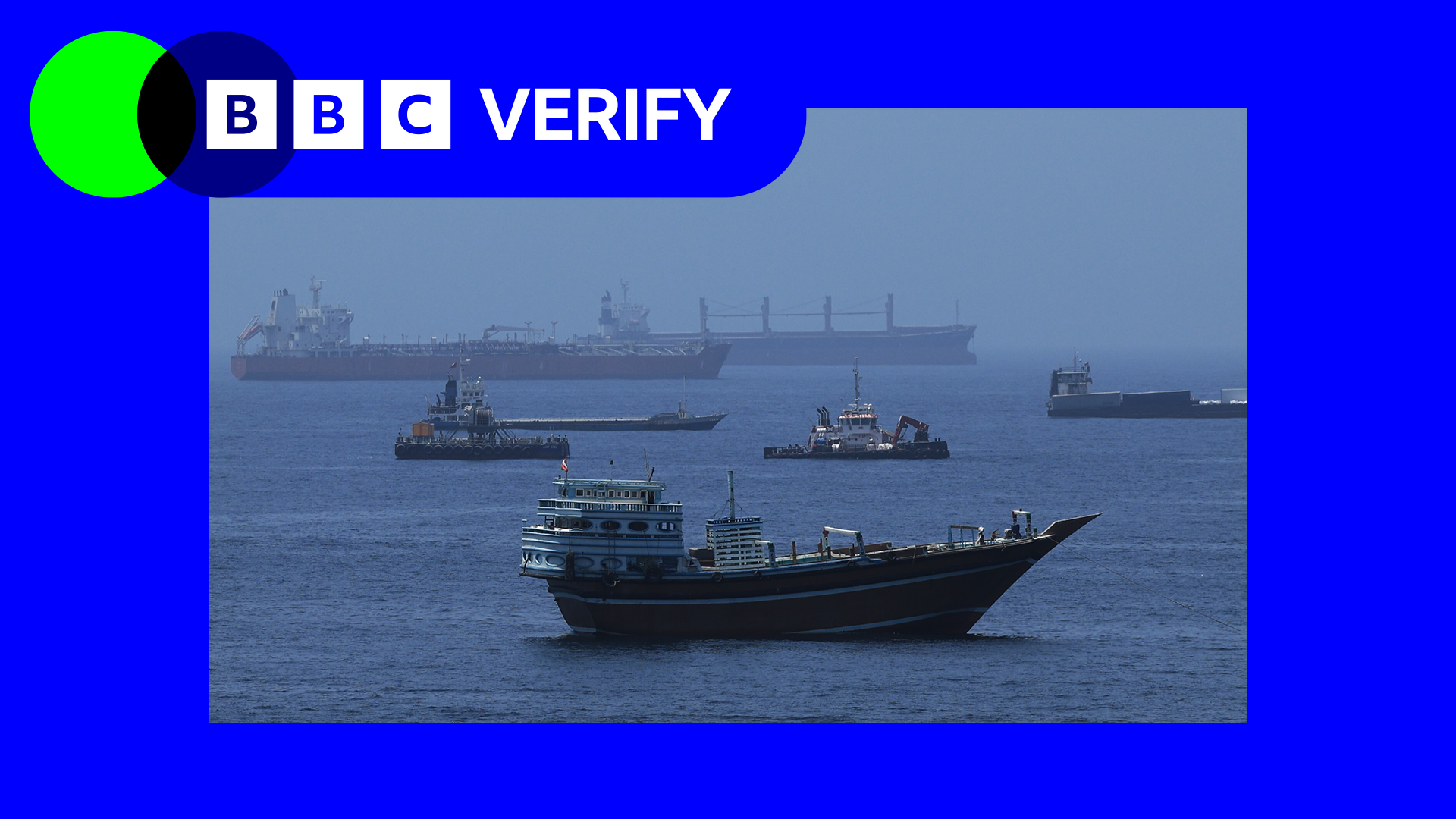
The ceasefire extension gives both the US and Iran more time to forge a sustainable peace deal, but significant challenges remain. Iran has stated that the US blockade of the Strait of Hormuz is an act of war, yet Trump did not lift the blockade, which was intended to pressure Tehran to relent.
Additionally, Iran shows no inclination to abandon its nuclear program or halt support for proxy groups in the region—two key demands from the US administration. The question remains whether Trump can navigate the economic and political ramifications of this conflict, especially as public sentiment increasingly challenges further military actions.