In brief
Following the assassination of Minnesota Rep. Melissa Hortman and the killing of conservative activist Charlie Kirk, state lawmakers are fortifying security measures across the U.S. Many states, including Minnesota, have installed weapons detectors in their capitols and are allowing campaign funds to be used for personal security. A significant rise in political violence has triggered these efforts to ensure the safety of elected officials and maintain the integrity of governmental operations.
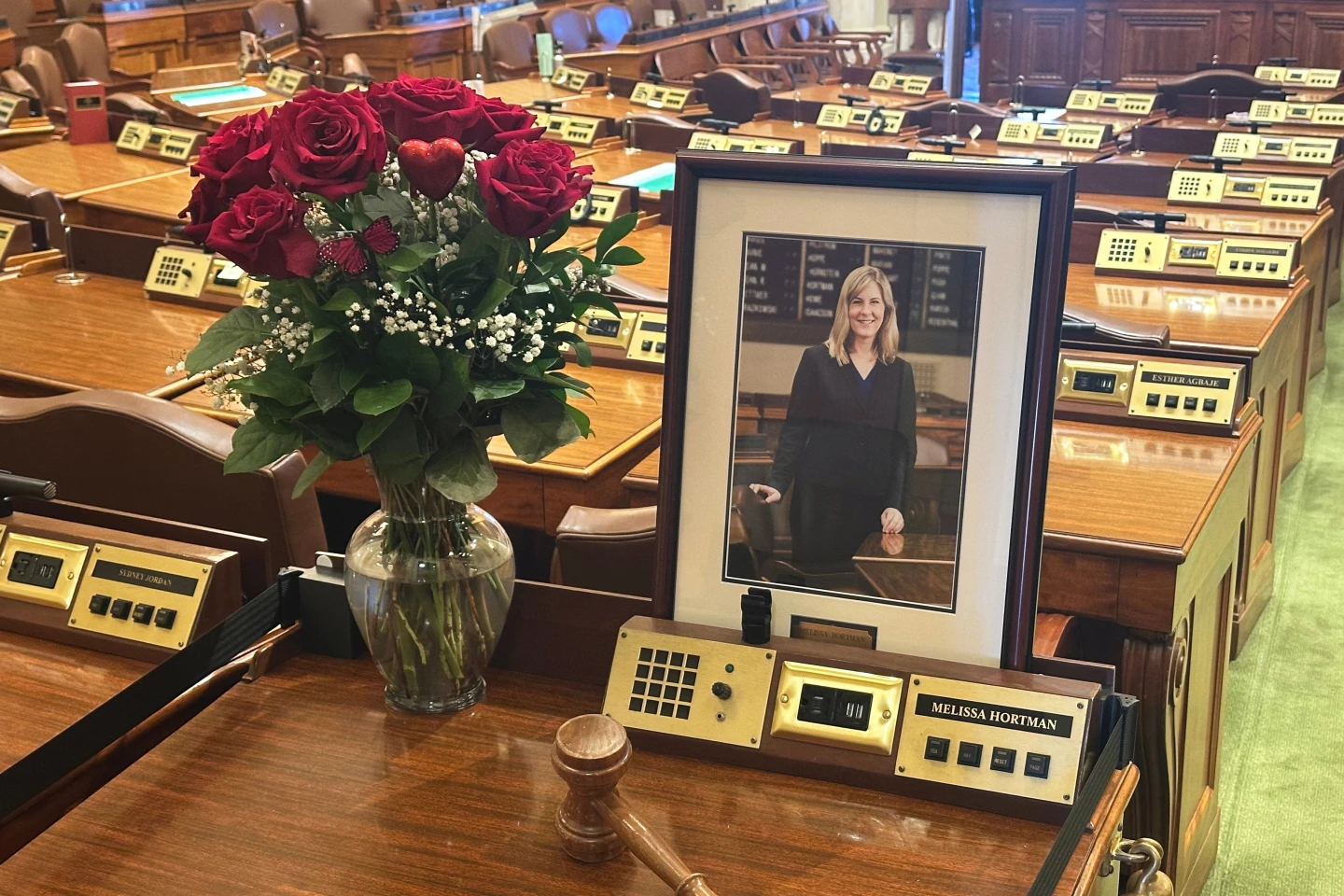
ST. PAUL, Minn. (AP) — Nearly a year after the assassination of a Minnesota legislative leader, lawmakers across the U.S. have worked to fortify security in state capitols and improve safeguards when officials are in their communities.
The changes come in the wake of a rise in political violence nationwide, including the stunning assassination last June of Rep. Melissa Hortman and the September killing of activist Charlie Kirk.
In Minnesota, security measures have become more stringent, with most doors at the state Capitol locked and mandatory weapons detection screenings for anyone entering.
“It’s important for us to be able to not have our government fall apart if our legislators are under threat,” remarked Rep. Julie Green, commenting on the emotional toll these events have taken.
High-profile attacks have stoked lawmakers’ fears
Political violence has surged in recent years, illustrated by the arson attack at the home of Pennsylvania Governor Josh Shapiro and the hammer attack on the husband of then-House Speaker Nancy Pelosi, among others.
Twenty-five states have allowed candidates to use campaign funds for personal security, a measure that reflects growing concerns after the assassinations. New laws in states like Alabama and Oregon further clarify such funding for safety measures.
Security spending for campaigns has skyrocketed, with federal political committees allocating more than $40 million on security measures in the 2023-24 cycle alone.
Weapons detectors are just one response
Metal detectors are being installed to address safety concerns, like those at the Alaska Capitol. However, some states resist implementing such measures. Wisconsin Assembly Speaker Robin Vos has opposed metal detectors, prioritizing unrestricted access to the halls of power.
Minnesota lawmakers are also interested in creating a specialized security unit within the State Patrol for legislative safety. Sen. John Hoffman, who survived a violent attack, advocated for this initiative, aiming to protect those in public office.
Efforts to safeguard personal information for lawmakers have also been discussed, with North Dakota planning to keep candidates' addresses confidential.
Moreover, the NCSL has set up a fund to reimburse states for expenses related to the safety and security of lawmakers, indicating a nationwide commitment to protect elected officials amid increasing threats.
___