In brief
President Trump declared a significant extension of the ceasefire with Iran amid stalled peace talks, citing a desire for a unified proposal from Tehran. Despite political pressures and ongoing military engagements, this move aims to provide both nations with additional time to negotiate a resolute peace deal.
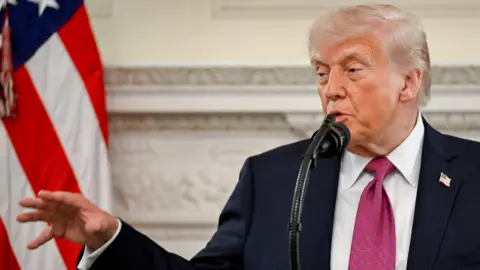
Tuesday began as a frantic day of diplomacy in Washington, with Vice President JD Vance prepared to fly to Islamabad for peace talks between the U.S. and Iran. However, with hours passed and Air Force Two yet to take off, Trump announced a ceasefire extension to allow Iran additional time to present a unified proposal for ending the conflict. In a significant development, Trump backed away from escalating military threats for the second time in two weeks, as the U.S. assessed its diplomatic options.The announcement followed the postponement of the planned negotiations, with signs appearing that special envoy Steve Witkoff and Jared Kushner were returning to Washington rather than heading to Islamabad. Trump's decision to extend the ceasefire was made public via his Truth Social platform, where he indicated it was at Pakistan's request.The ceasefire extension raises questions about the length and clarity of these negotiations, especially as Iran has yet to signal commitment to cease its nuclear program or its support for proxy groups in the Middle East. Political experts view Trump's measured approach as a pragmatic choice based on fractures within Iran's leadership but emphasize continued uncertainty regarding the duration of the war and its implications for U.S. public sentiment and foreign policy.