In brief
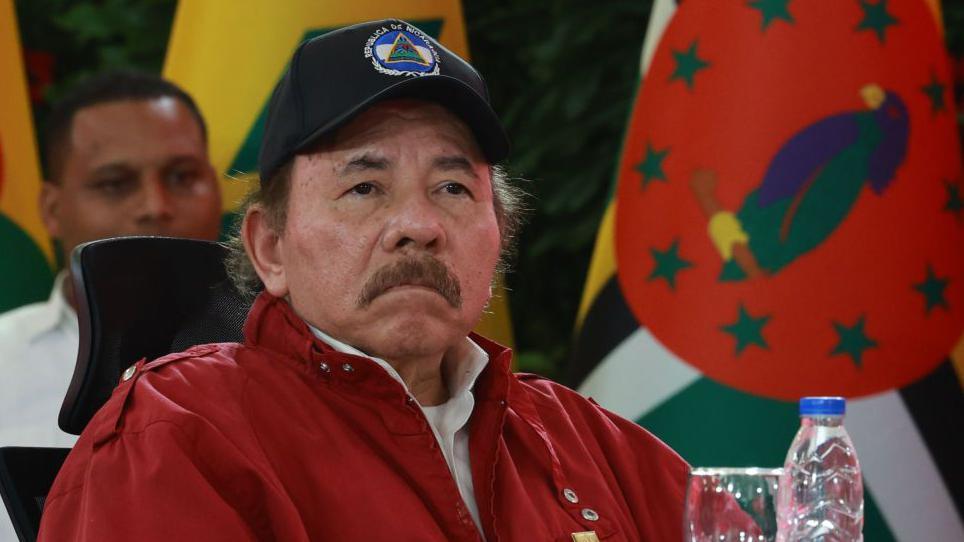
President Daniel Ortega, who has ruled Nicaragua since 2007, has announced a plan to add another year to his presidency through a constitutional amendment anticipated to be approved by the National Assembly in September. The change is part of a broader reform that would block opposition figures deemed ‘traitors’ or ‘coup plotters’ from standing for office, tightening the government’s grip on power. Over the past 19 years Ortega has repeatedly altered term limits, extending his mandate from four to five, then to six years, and even declared his wife as co‑president. The administration has also imprisoned political rivals, sent dissidents into exile, and stripped them of citizenship, prompting criticism from international bodies such as the U.N. Human Rights Council. The proposed extension marks yet another step toward entrenched authoritarian rule in Nicaragua.
Nicaraguan President Daniel Ortega, the country's longest‑serving head of state, has announced a proposal to extend his presidential term by one year. The plan is part of a wider constitutional overhaul that the National Assembly – dominated by Ortega’s party – is expected to approve in September.
Under the new amendments, members of the opposition who the government labels as “traitors” or “coup plotters” would be barred from running for office. This could effectively shut out any credible challenge to the status quo and pave the way for Ortega’s continued rule.
Ortega’s reign has already seen several changes to the country’s term‑limit rules. In 2014 the Assembly struck down term limits altogether, and in 2024 the term was lengthened from five to six years. More recently, the legislature approved a decree that designates his wife, Rosario Murillo, as “co‑president,” allowing her to succeed him should he be declared permanently absent.
The president’s grip has tightened further over the past decade. Political opponents have been jailed or forced into exile, and some have lost their citizenship. The 2021 presidential election – the last competitive vote – saw a one‑sided result after a brutal crackdown that saw dozens of opposition activists detained or prohibited from running.
United Nations human rights chief Volker Türk warned that repression has deepened, rule of law is undercut, and the persecution of dissenters is escalating. The move to extend Ortega’s term adds yet another layer to a system that increasingly curbs democratic freedoms.
Ortega’s proposal, coupled with sweeping changes to political eligibility, signals a new chapter of authoritarian consolidation. Whether the National Assembly will follow through remains to be seen, but the stakes for Nicaraguan democracy have never been higher.