In brief
Israeli settlers have moved into Kadim, a settlement earlier closed in 2005. Thirty pioneer families arrived on Thursday, flanked by flags and armed escorts, revoking a 20‑year ban and signaling a broader push to expand settlements before October elections. Palestinian residents fear renewed displacement and conflict, while international observers note the impact on the peace process.
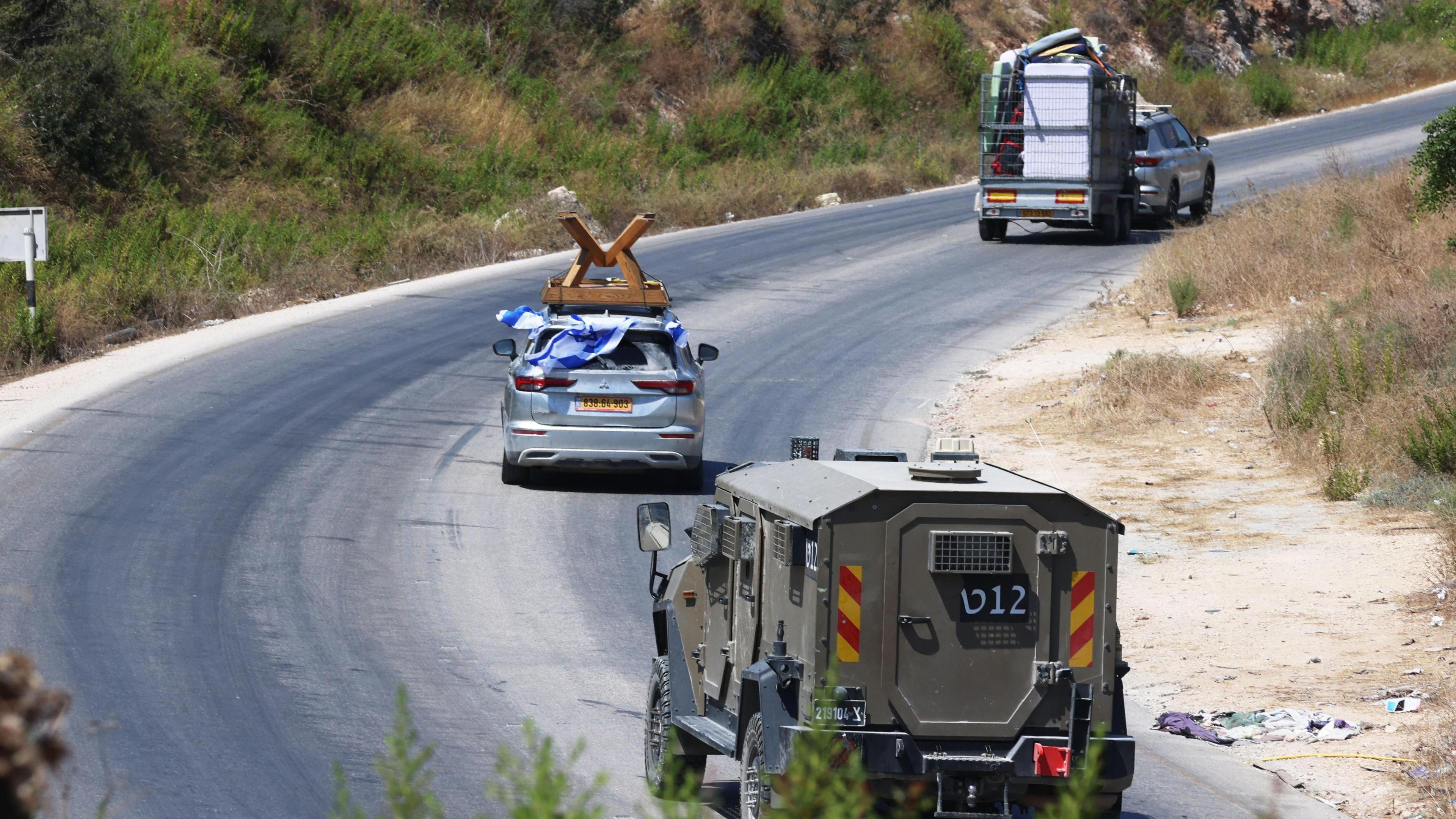
A new group of Israeli settlers has returned to the former settlement of Kadim in the occupied West Bank, two decades after it was evacuated by the previous government. The settlement was reopened on Thursday with a ceremony that saw 30 “pioneer families” arriving from Tel Aviv in vehicles bearing blue and white flags, some carrying military escort.
The evacuation of Kadim in 2005 was part of a unilateral disengagement plan that also saw the withdrawal of all Jewish settlers from Gaza and the dismantling of three other West Bank outposts. The area was deemed too isolated and strategically costly to protect.
The current administration has lifted the two‑decade ban on settlement in the Jenin area. Finance Minister Bezalel Smotrich announced the move, chanting historical rhetoric that frames the reoccupation as a “correction” of past injustices.
Local Palestinians describe Kadim as “home” during the first settlement phase and express fear amid the recent return of Israeli families. One farmer, who has lived in a house in the village for 53 years, recalls watching settlers and Palestinians coexist peacefully before the 2005 evacuation. He now worries about “the events spreading” and the loss of community spaces.
The reopening is part of a larger trend: since the late 2022 elections, Israel has approved more than 100 new settlements across the West Bank, with 19 concentrated in the northern sector around Jenin. Officials from the settlers’ council argue that these moves are “necessary for security” and reflect growing Jewish nationalism.
The pace of construction is accelerating—white trailer homes and fortified structures appear on hilltops while politicians publicly endorse the projects. Critics say the rapid expansion infringes on international law and undermines the prospects for a two‑state solution.
The urgency is tied to the upcoming Israeli elections in October. Settlers and supporters view the expansion as a political strategy to galvanise voters, while Palestinians and international actors warn that each new settlement escalates tensions and erodes the possibility of a negotiated peace.
As factories and homes rise once more, the picture of the West Bank shifts. The reoccupation of Kadim is not an isolated event but a sign of a broader policy shift that could reshape the region’s future and heighten the stakes for residents on both sides.