In brief
Zambia’s High Court and other tribunals have been sealed as the deadline for filing a presidential election petition approaches. The closures, accompanied by police presence, prevent opposition candidates—particularly Brian Mundubile—from accessing the courts to challenge the February result, which the incumbent Hakainde Hichilema won by 60%. While the inauguration of Hichilema is slated for 1 September, the shut eyes hold potential to alter the electoral outcome. Calls for transparency, independent investigation of violence, and judicial independence are mounting as security concerns deepen.
On a hot August day, the High Court in Lusaka and several other judicial venues were taped off with police in place, effectively closing Zambia’s courts as the 24‑hour window to file a petition against the presidential vote closes at midnight.
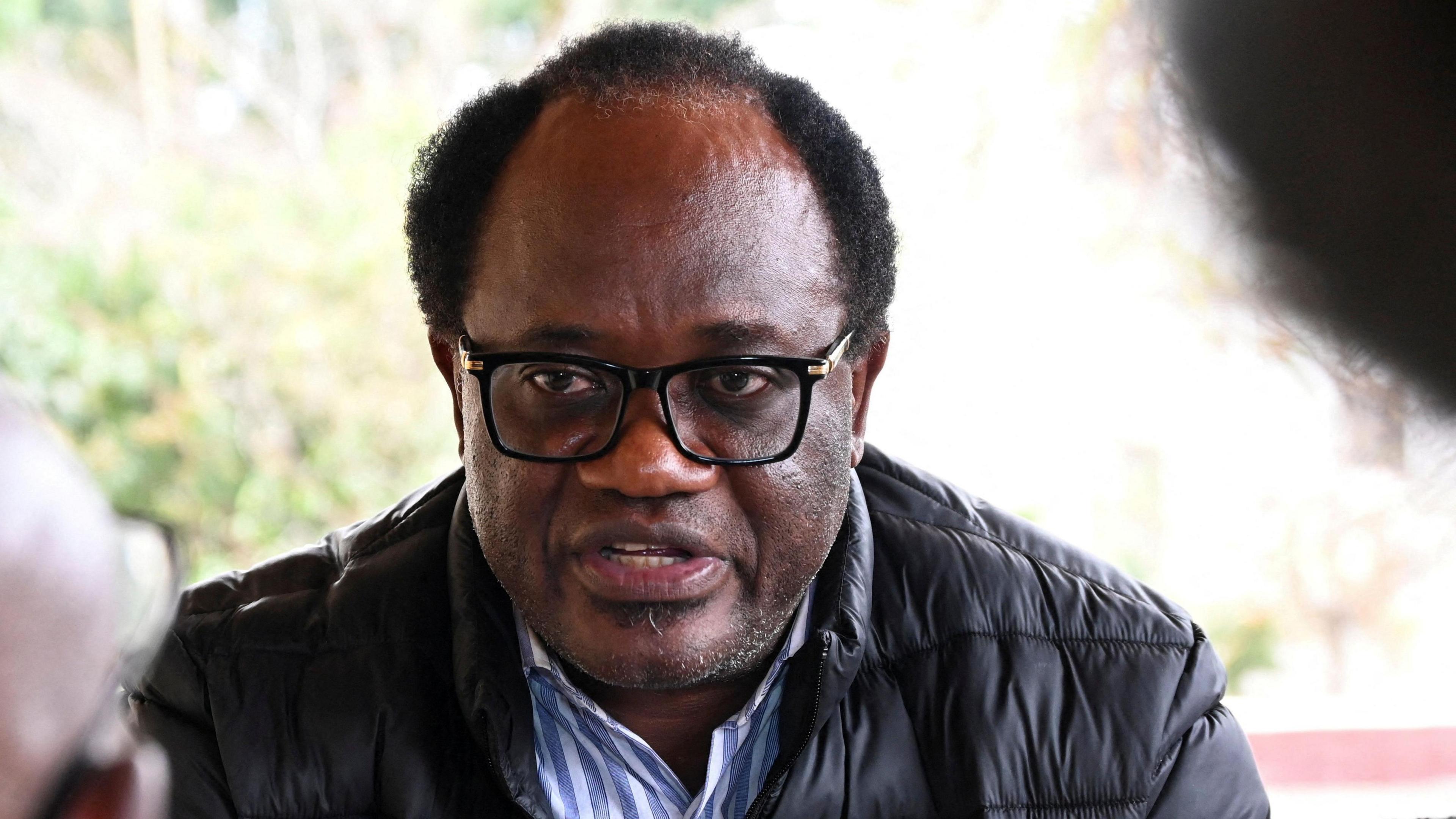
Opposition candidate Brian Mundubile, who finished second with 38% of the vote, says he will take the result to court, citing alleged irregularities. He remains in a guarded location, protected by an international human‑rights body, after the killing of former minister Mutotwe Kafwaya and the arrests of key opposition figures.
Lawyers who arrived at the courts on Monday were told to leave, and one reported being approached by armed men who forcibly drove his vehicle away. The closure affects the seven‑day period where the Constitutional Court can nullify a presidential election, meaning the upcoming inauguration on 1 September may now hinge on a court decision.
The Law Association of Zambia (LAZ) expressed deep concern, noting there was no official explanation for the shutdown or its expected duration. LAZ highlighted that the closure impedes urgent judicial access, especially for those who need immediate legal recourse.
The move has sparked alarms about the independence of the judiciary, with critics suggesting it is aimed at preventing a challenge to Hichilema’s victory. Media, activists, and international observers have called for an independent investigation into the security operation that killed Kafwaya and the subsequent arrests, while the EU observation mission warned that late electoral reforms and a heavy military presence may have skewed the contest.
Despite these tensions, preparations for Hichilema’s inauguration—set to take place at National Heroes Stadium—continue, with a media invite issued by the youth and sport ministry for journalists to accompany a cabinet official. Yet for the opposition, the looming deadline means a decisive legal battle might reshape Zambia’s political future before the nation moves forward with a new administration.
For continuous coverage and in‑depth analysis, follow BBC Africa on Twitter and visit BBCAfrica.com.