Global oil prices rose in Monday morning trade in Asia after President Donald Trump said the US has intercepted and seized an Iran-flagged cargo ship.
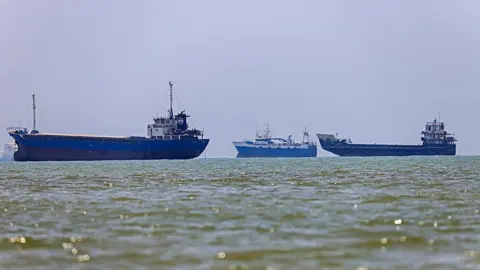
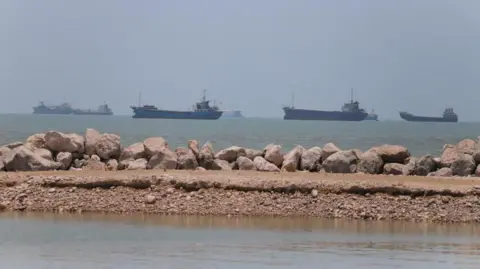
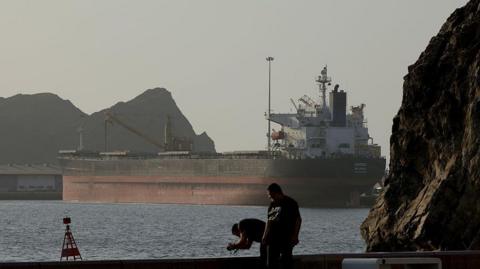
This development follows Iran's announcement on Saturday that it was closing the Strait of Hormuz waterway again to commercial vessels and that any ship approaching the strait would be targeted.
Brent crude futures saw an increase of 4.74%, reaching $94.66 (£70.11) a barrel, while West Texas Intermediate prices rose by 5.6% to $88.55.
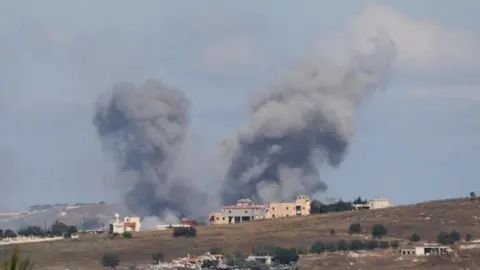
The energy sector has experienced significant fluctuations since the U.S. and Israel launched attacks on Iran on February 28, leading Tehran to threaten shipping in the strait, which is crucial for 20% of the world's oil and liquefied natural gas (LNG) transportation.
Earlier, Trump indicated that U.S. representatives would be in Pakistan on Monday for negotiations regarding relations with Iran, with Vice-President JD Vance at the helm of the discussions.
However, Iranian state media reported that Tehran currently had no plans to engage in these negotiations, pending further clarification of Iran's position.
Analysts have noted that markets are reacting more to social media statements from the U.S. and Iran than to the existing conditions affecting oil flow. Saul Kavonic from MST Marquee highlighted that these market movements are tied to the ongoing negotiations represented by the situation in the Strait of Hormuz.
Last week, Iran's Islamic Revolutionary Guard Corps stated that it had closed the strait after a temporary reopening, accusing the U.S. of violating a ceasefire agreement by continuing its naval blockade.
Trump had previously indicated that this naval blockade would persist until a satisfactory deal was reached between the two countries.
In light of the ongoing Iran conflict, energy prices have entered highly volatile territory, impacting various nations worldwide.
Brent crude previously traded at just under $70 per barrel before the conflict escalated but surged to nearly $120 by March 9. The current futures contracts for Brent crude are slated for delivery in June.
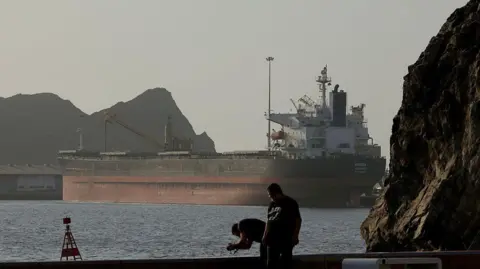
Countries like those in Southeast Asia, heavily reliant on oil shipments through the Strait of Hormuz, face acute energy shortages, prompting governmental measures to conserve fuel, including reduced work weeks and calls to limit air conditioning usage.
Even China, with a reserve believed to equate to three months of imports, is under pressure to maintain stable fuel prices amidst significant price hikes.
The International Energy Agency has highlighted Europe's limited jet fuel supplies, warning that stock may last only six weeks, risking potential flight cancellations if the blockade persists.
Overall, the global energy crisis resulting from the ongoing conflict poses severe ramifications as countries adapt to rising fuel prices and dwindling supplies.