In brief
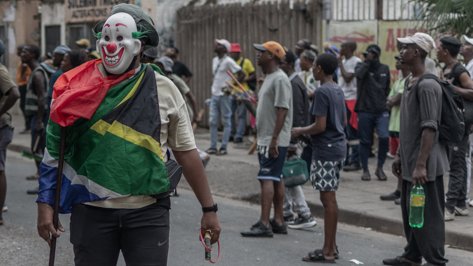
In response to a wave of xenophobic attacks across South Africa, Nigeria has launched a large-scale repatriation, sending a flight carrying 268 citizens back to Lagos from Johannesburg. The move follows similar evacuations by Ghana, Zimbabwe and Malawi and comes as South Africa prepares for local elections where migration is a central issue. While Nigerian officials claim migrants are scapegoated, some argue the high unemployment rate fuels resentment. The Nigerian diaspora commission has pledged aid and broad transport coverage for returnees.
A flight carrying 268 Nigerians has touched down in Lagos after leaving Johannesburg, marking the latest foreign disaster prompted by sharp anti‑migrant sentiment in South Africa.
Around 1,000 Nigerians had already signed up for repatriation through the Nigerian consulate, with the government promising to transport returnees to all 36 states. The operation follows similar evacuations carried out by Ghana, Zimbabwe and Malawi, all of which responded to the looming June 30 deadline some activists are pressing for.
White‑minority‑rule survivors and a lifetime of unemployment have long attracted people to South Africa, but a more than 30% unemployment rate has spurred xenophobic attacks in cities such as Johannesburg and Pretoria. “They’re killing and threatening our people. I’m not safe,” said one passenger who has lived there since 1998. He described being harassed and robbed in a taxi and forced to leave his belongings behind.
Other returnees, like hairdresser Chinwe Osuala, recalled assaults on her shop in earlier waves of violence. “You can't walk freely; I was scared for my children.” Osuala said she would miss the friends she made in South Africa but felt it necessary for her family’s safety.
Nigeria’s Diaspora Commission chief Abike Dabiri‑Erewa confirmed the flight would be supported with over 100,000 Naira (€73) in aid and mobile‑credit assistance. “We’re committed to helping those who come back safely,” she told a BBC interview.
South African authorities said the passengers had no legal documents in the country and blamed delays in processing as a cause of undocumented status. Their border agency spokesperson denied that any of the repatriated Nigerians were violating immigration rules.
South Africa's President Cyril Ramaphosa warned against vigilantism and pledged new measures aimed at jailing employers who hire undocumented workers, establishing dedicated courts for deportations, and implementing a biometric register to curb identity theft.
The Afghan, Nigerian, and other migrants have aired complex feelings about South Africa – some have been victims of attacks, others have forged strong ties to the community. Meanwhile, local politicians warn that politics may turn migration into a scape‑guilt tool before the upcoming November elections.