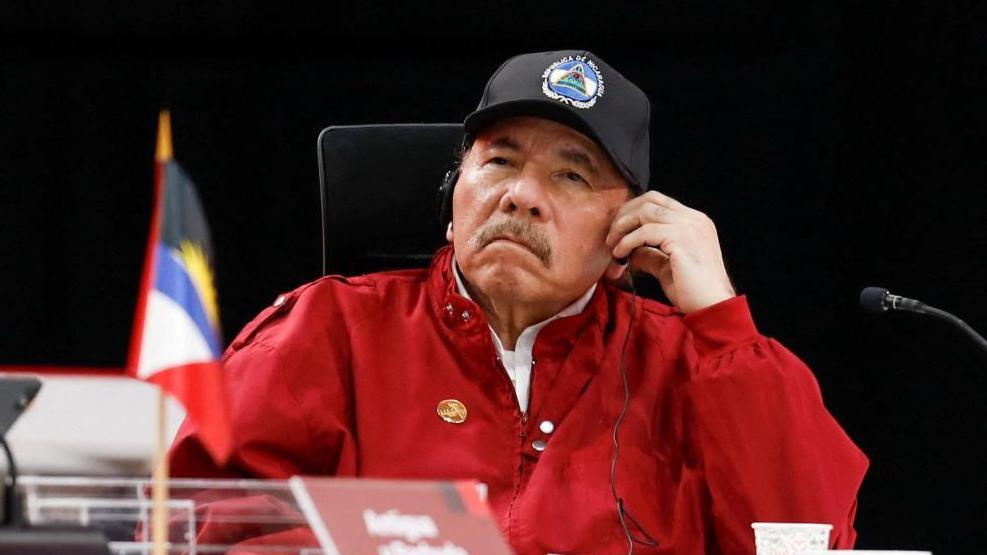
Nicaragua's National Assembly is set to debate banning opposition from elections after President Ortega's anti‑opposition rhetoric.
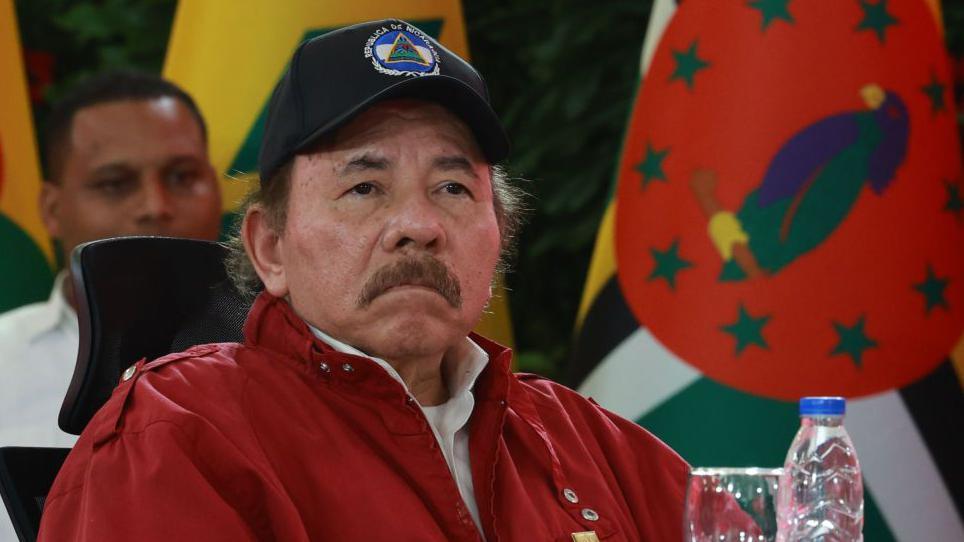
The government‑controlled legislature will vote on the proposal in the first week of August, aiming to exclude opposition parties from the next presidential contest. This follows President Daniel Ortega, who has ruled since 2007, stating that opposition groups would no longer be allowed "to seize power".
International leaders have responded sharply. UN High Commissioner for Human Rights Volker Türk called the remarks "unacceptable" and urged that all political viewpoints be allowed to vote. U.S. Secretary of State Marco Rubio described Ortega’s statements as evidence of an "authoritarian" trajectory and highlighted the role of his wife, Rosario Murillo, in the regime.
Ortega’s comments came during a speech on the anniversary of the 1979 Sandinista revolution, where he accused the opposition of being financed by the United States and conspirators attempting to win an election. He pledged that new laws would be passed to create a wall against “coup mongers” regardless of foreign funding.
The National Assembly’s head, Gustavo Porras, counters that the body is debating how “to not leave even a crack” for opposition participation. He asserts that the measures are intended to safeguard national sovereignty.
The last presidential elections were held in November 2021, a vote that ended with Ortega re‑elected after a crackdown that saw many opposition leaders jailed, exiled, or disqualified. A short‑term constitutional reform in November 2025 extended Ortega’s term to six years and formally incorporated Rosario Murillo as "co‑president," positioning her to assume full presidential duties if Ortega were declared permanently absent.
Opposition politicians in exile denounced the move, calling it an attempt to turn Nicaragua into a one‑party state similar to China, North Korea, and Cuba. Former opposition candidate Felix Maradiaga urged that the plan exposes a fear of dissent, acknowledging that the desire for change remains alive in the country.
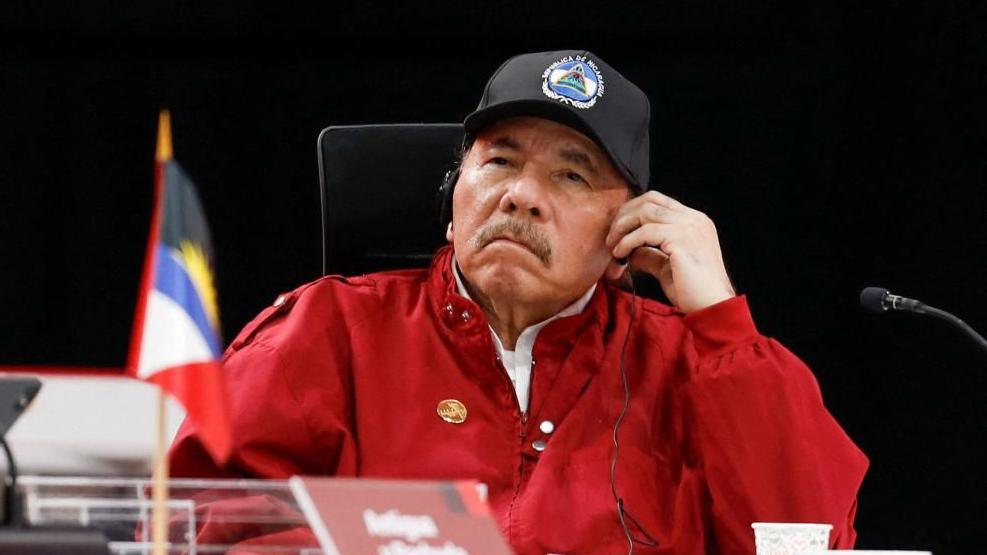
REUTERS/Leonardo Fernandez Viloria