In brief
A rare opportunity emerged when Hamas agreed to disarm in Gaza under a new proposal, promising partial Israeli withdrawal. However, the plan faces steep obstacles—from deep-rooted mistrust, massive civilian suffering and Israel’s political calculus. Both sides grapple with security concerns, making the route to peace uncertain yet still pivotal for Gaza’s future.
A new, highly debated proposal aims to see Hamas surrender its weapons while Israel withdraws 70% of its troops from Gaza. Though unprecedented, the plan confronts severe practical and geopolitical challenges.
• Political trust deficit. Neither side has sustained confidence in the other’s promises. While Israel insists on full disarmament as a pre‑condition for withdrawal, Hamas questions the adequacy of the concessions.
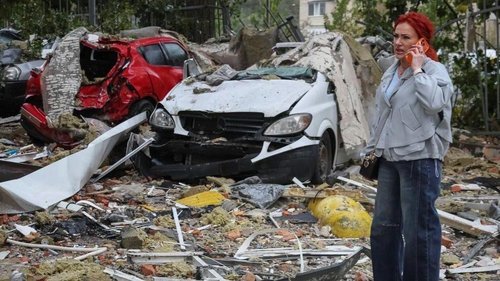
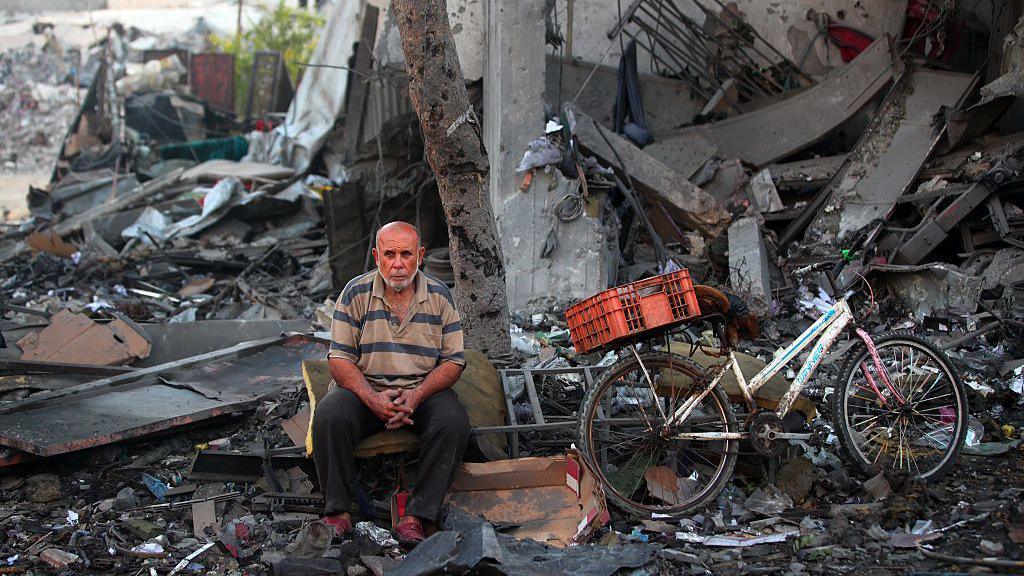
• Humanitarian catastrophe. Over 2 million civilians in Gaza endure extreme deprivation, with massive infrastructure destroyed by both Israel’s bombardments and deliberate demolition policies. Any large‑scale movement risks adding further hardship.
• Internal pressure on Hamas. The group faces heavy losses of senior leaders and fighters by IDF strikes. Its leadership, led by Khalil al‑Hayya, competes with rival factions and external influences from Egypt and Turkey.
• Israel’s domestic politics. Prime Minister Benjamin Netanyahu, troubled by corruption trials and a looming national election, must navigate both domestic opposition and the demands of Foreign Minister Bezalel Smotrich.
• US involvement. President Donald Trump’s strategy in the Middle East hinges on parallel conflicts with Iran. Political shifts in Washington could influence the durability of the Gaza proposal.
If the plan succeeds, it may spark the first concrete step toward ending the Gaza war and opening a pathway to sustainable peace. Yet, a diplomatic failure would deepen the suffering for both Palestinians and Israelis, leaving the region stagnant in conflict.
"Hamas has never agreed to disarm before. If handling this right, we could make diplomatic progress," says Jeremy Bowen, International Editor.
The situation remains fluid, with ongoing negotiations in Back Channel meetings and a delicate balance of power each day. A step‑by‑step agreement building confidence will be crucial for its longevity.