In brief
Rawalakot, a city in Pakistan‑administered Kashmir, has become the centre of a deadly protest‑violence saga. The Joint Awami Action Committee has been demanding basic rights, yet security forces have responded with gunfire, killing and maiming many, especially young men. A makeshift clinic run by Dr. Anwar treats hundreds of wounded, but its resources are stretched thin. Families of the dead are desperate and caught between fear of arrests and the rhetoric that protesters are armed. The government denies indiscriminate fire, citing actions against alleged gun‑holders, while local officials assert the group is violent and the violence is justified.
In the high‑altitude city of Rawalakot, a crowd of young protestors has turned to a battlefield, sparking a series of deadly confrontations amid local elections.
At the heart of the trouble stands the Joint Awami Action Committee (JAAC), a group demanding basic services such as affordable flour, reliable electricity, and equitable education. In response, security officials have opened fire, killing dozens, with many victims ranging between 15 and 35 years old.
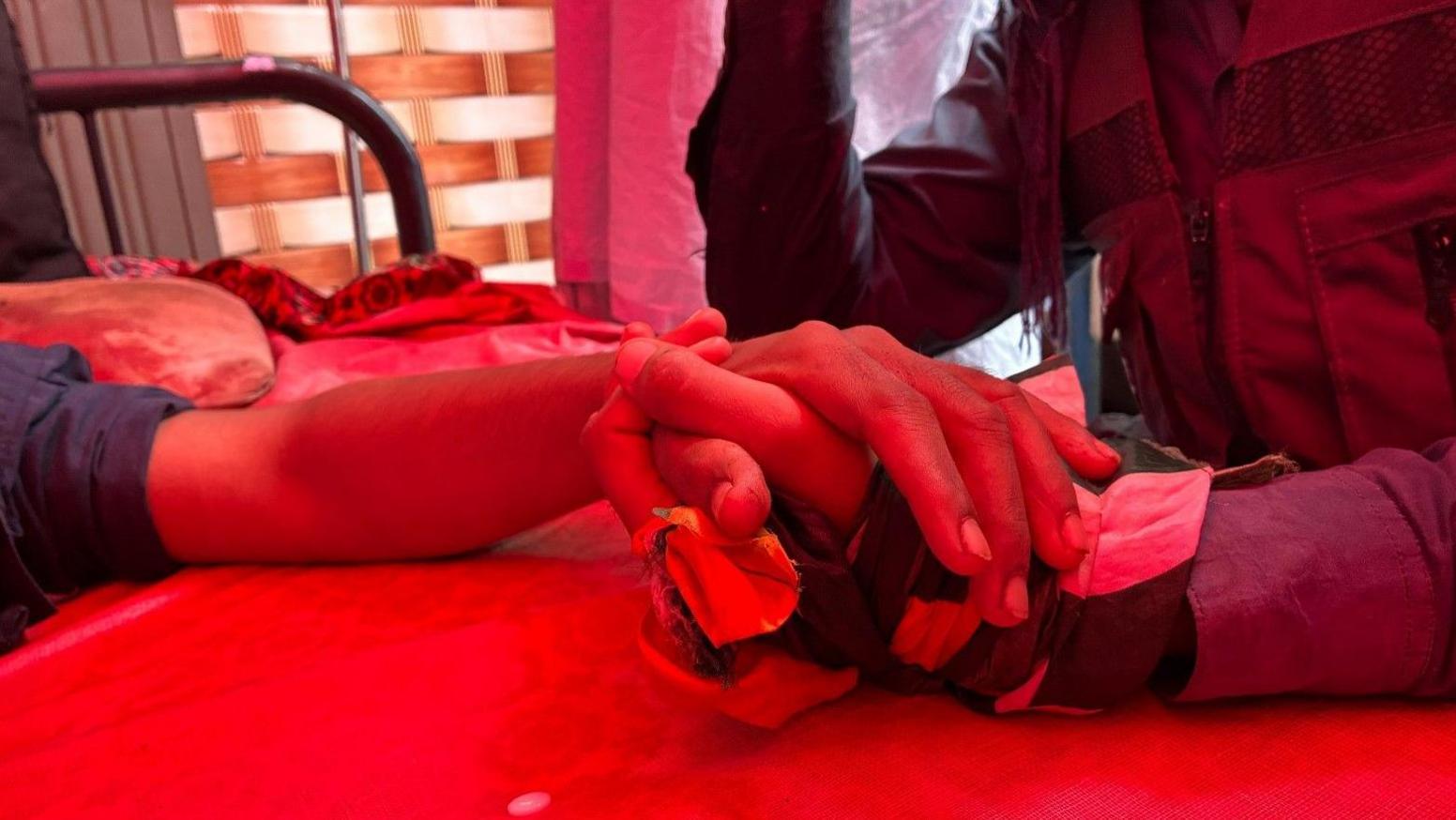
The crisis hit a human toll that is visible on the bedsides of makeshift clinics erected in spare bedrooms. Dr. Anwar, the clinic’s informal head, describes his space as a place of first aid and a chance for quick blood‑letting, yet “the serious injuries, especially to the chest, abdomen and head, require advanced hospitals.” He has treated around 50‑60 critically injured patients since late July, personally attending to 15‑20 gunshot cases.
Families grieve in the shadows of a city that blocks roads to keep militants from entering while those on the streets fear arrest and further shooting. Mrs. Asma, who lost her only son during the protests, says, “We were only asking for our rights. We are not terrorists.” Her brother, Salman, also mourned the loss of a sibling, expressing both grief and pride that the boy died standing up for justice.
Security forces deny indiscriminate firing, claiming they responded to individuals threatening public safety. Broken food supplies and blocked streets provide a backdrop to the crisis, with protesters smuggling rice on motorbike backs and authorities citing them as a political threat to the elections.
The government’s claim that the JAAC is armed and incendiary is contested by the group, which refuses the label of a terrorist organisation. Yet a party spokesperson, Umar Nazir, alleges infiltration by foreign agents within the ranks, though evidence is lacking.
With roads out of service and the internet cut, news of the violence is hard to verify. In Rawalakot’s dimly lit streets, the echo of gunshots and the stillness of empty beds paint a stark portrait of a city torn between voices for progress and a fateful conflict that has claimed young lives.