In brief
During a ceremony last September, Israel’s prime minister declared a future without a Palestinian state and announced expansion into the strategically important E1 area near Jerusalem. The move has sparked condemnation from UN, EU and individual governments. Israel’s far‑right administration has accelerated settlement construction, road building, and outpost creation, accelerating a ‘facts on the ground’ strategy that threatens a contiguous Palestinian state. Rising settler violence has added to the tension and the upcoming national elections will shape the future of the territory. The protests and diplomatic backlash signal a major recalibration of the Israeli‑Palestinian status quo.
During a ceremony in September 2025, Israel’s prime minister Benjamin Netanyahu vowed that a Palestinian state would never be established and announced plans to expand settlements in the highly contested E1 area east of Jerusalem.
The announcement came with tenders for the construction of roughly 1,200 new settlement homes. Even though Israeli settlements are deemed illegal under international law, the government – backed by a right‑wing coalition – has moved faster than ever since the Gaza war of 2023.
The United Nations and the European Union condemned the move as an existential threat to a future Palestinian state, while the United States, with the surprising support of Ambassador Mike Huckabee, called the expansion a “criminal and terrorist act.” A joint statement from the UK, France, Germany, Italy and Canada declared the plans “unacceptable” and warned that they would “drive a wedge through the West Bank.”
Palestinian Authority president Mahmoud Abbas demanded that Israel halt the E1 expansion, and called on it to “take concrete measures to stop the construction.”
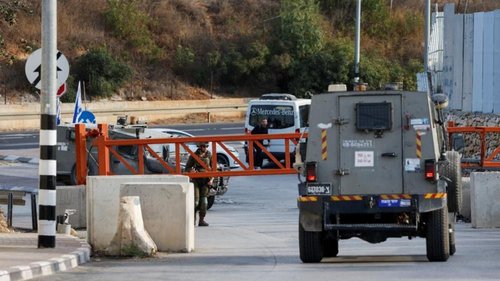
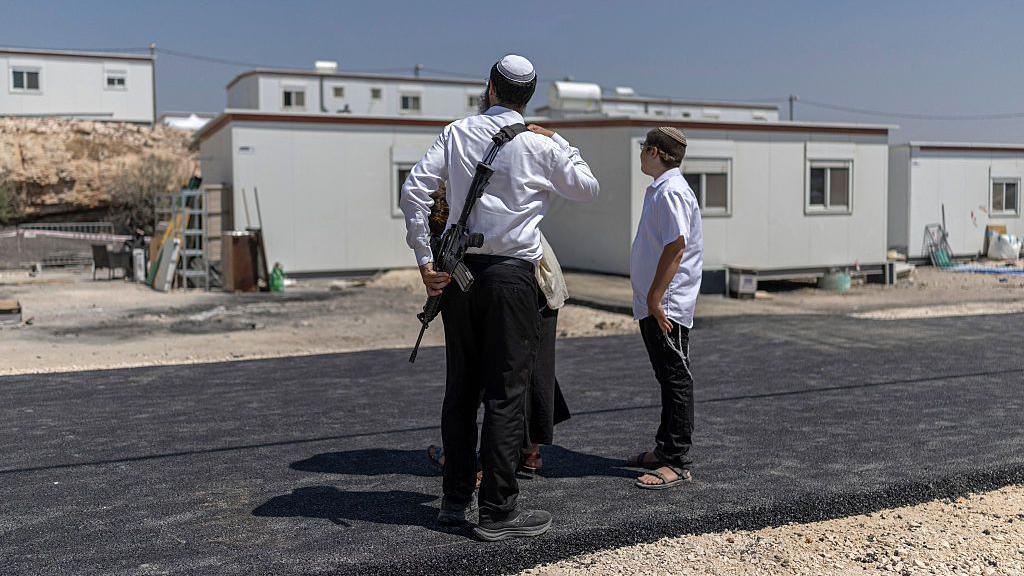
The West Bank has been under Israeli control since the 1967 conflict, yet the number of settlements, now about 160, houses 700,000 Israelis. Recent satellite analysis shows the speed of settlement building has surged since 2022, with projects such as the construction of 185 new buildings in the northern settlement Tzofim and expansion of roads and outposts in Kochav Hashahar.
E1 sits at a crossroads that could split the West Bank into two, isolating East Jerusalem from the rest of the territory. The plan would impede any contiguous Palestinian urban area connecting Ramallah, East Jerusalem and Bethlehem, as noted by Israeli anti‑settlement watchdog the Peace Now group.
The civilian authority led by far‑right finance minister Bezalel Smotrich has shifted administrative control over the West Bank from the military, ushering in an era of more roads and settlement infrastructure. In May, the government announced over a billion shekels in funding for new roads aimed at “strengthening their grip” on the territory.
Settler violence has escalated, with recent attacks on Palestinian homes that cut off water and electricity. These incidents have heightened fears that the “facts on the ground” will make an independent Palestinian state untenable.
The tender for new E1 construction comes just months before Israel’s highly contested elections. Netanyahu and his coalition seek to use settlement expansion to appeal to their base and cement political power, potentially establishing irreversible “facts on the ground” ahead of the vote. Should the strategy fail, the cycle of expansion may continue to reshape the region, further entrenching the status quo for both Israelis and Palestinians alike.