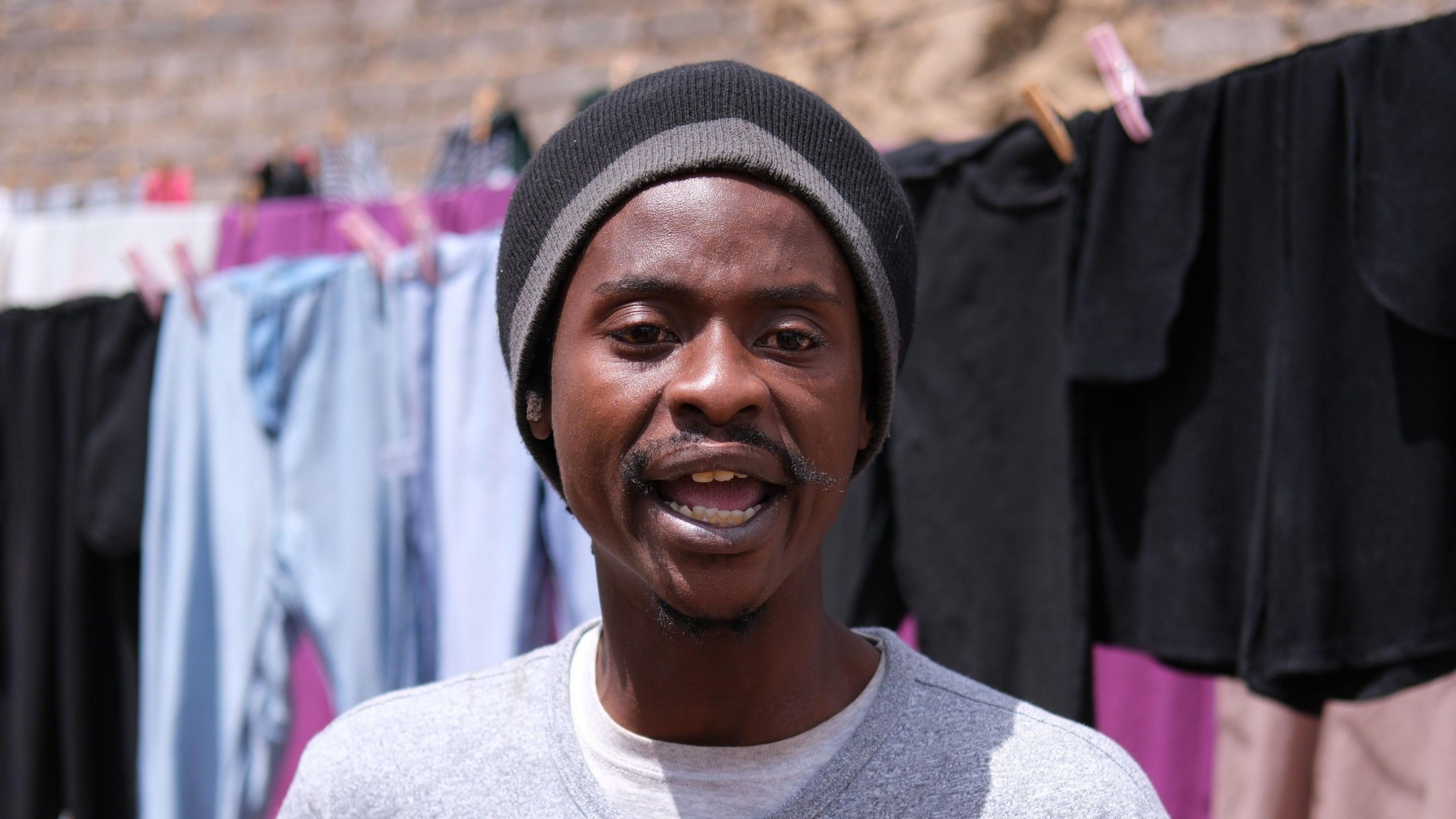
In the narrow lanes of Johannesburg’s Organic Market, a storm of ordinary men gathers around a grubby tavern to admit the crimes they have committed in the name of revenge, drunkenness or misunderstanding. One thirty‑year‑old, Kgomotso Mathekga, openly admits “I once had an argument with my girlfriend…and I grabbed and slapped her”. He speaks not as a lawyer or a politician, but as a neighbour who feels guilt over breaking his own family’s life.
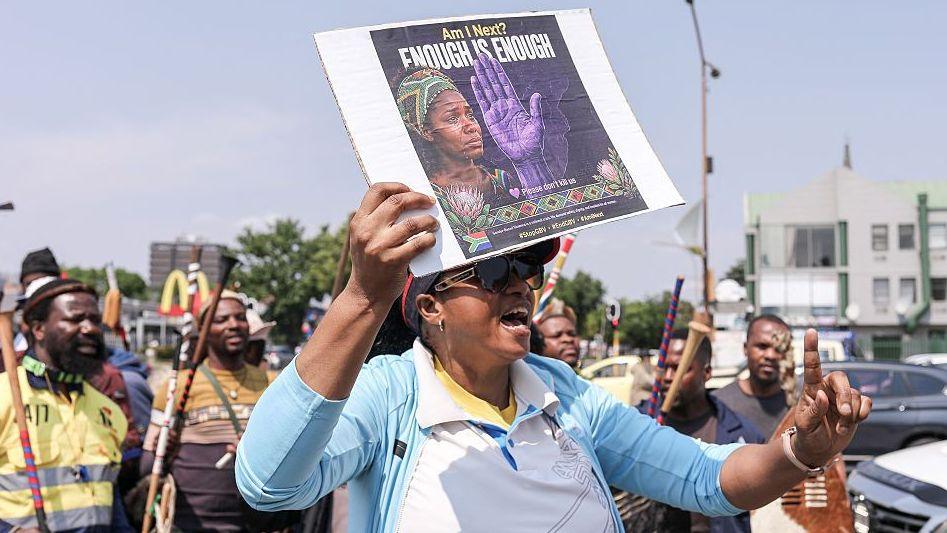
The raw confessions are part of a larger discussion organised by Bra Steve, a local community organizer known as Itumeleng Stephen Tamaga. Bra Steve presides over Father A Nation, a nonprofit that trains men and boys in positive masculinity to end gender‑based abuse. In the dusty dirt outside the tavern, he raises a fist, shouts “We are men!” and urges his fellow men to stand together against femicide.
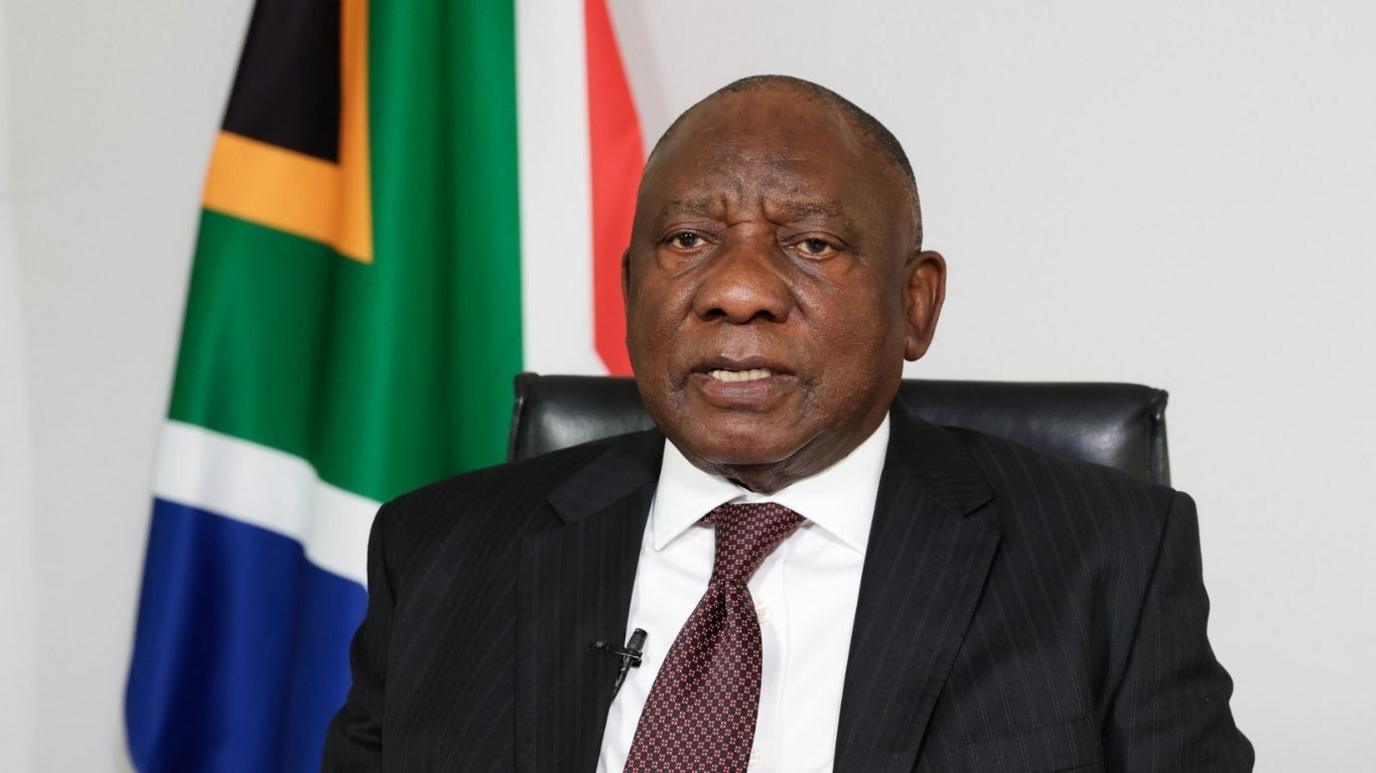
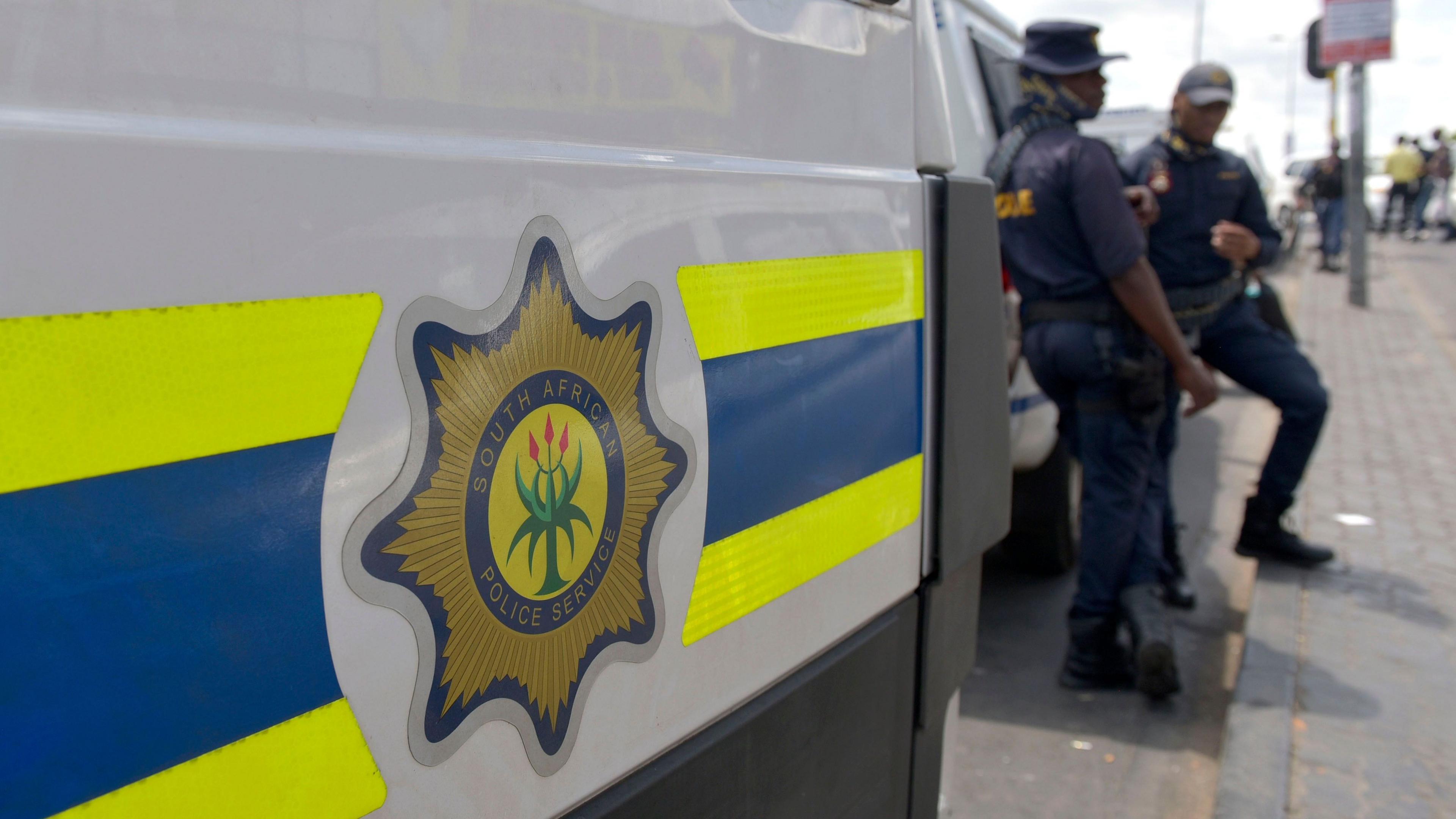
South Africa, which recorded 5 427 murders between April and June, has a femicide rate that has spiked in recent months, with 569 women murdered in just three months. The government, led by President Cyril Ramaphosa, has announced street‑lighting projects and a review of crime‑solving mechanisms, yet many residents feel that the situation is worsening.
Father A Nation’s training uses a three‑phase model: first men openly discuss their emotions; second they learn “positive masculinity” concepts; and third they apply committed action to protect women. Vis‑min Mtwesi, the programme’s coordinator, says that men learn to recognise power imbalances and to treat partners with respect. He argues that the nation’s male generation, “a lost generation,” must restore dignity and become new role models.
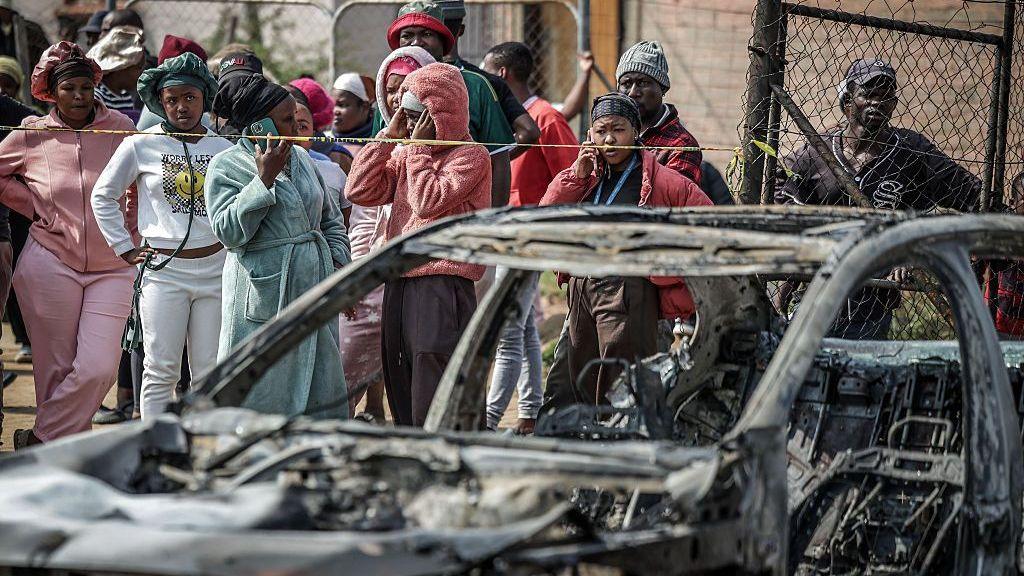
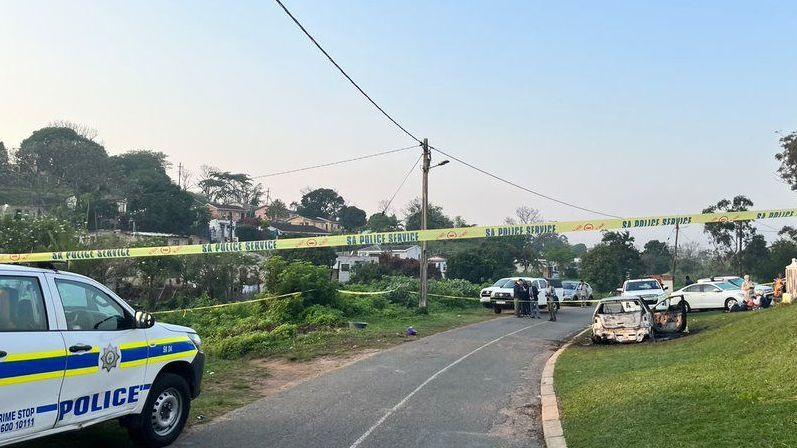
Despite the program’s promise, many women in the settlement, like the hairdresser Providence Maseko and cleaner Linkie, remain fearful. “We are not safe when we are outside our place…if I see a car behind me I feel afraid,” she admits to Bra Steve as she wipes sweat from her brow. The fear is compounded by the unconfirmed possibility of a serial killer in the area, which police, while not ruling out links, have yet to confirm.
Still, the men’s meetings show signs of transformation. Several participants, including Kgomotso Mathekga, promise to keep the new lessons alive, citing the lack of male role models in their neighbourhood. Bra Steve urges the crowd: “Choose what kind of man you want to be. Women need to be safe.” The movement illustrates that while the problem is multi‑faceted, community‑led accountability can be a crucial step toward ending gender violence.
External Links
For more insights, visit BBCAfrica.com and follow @BBCAfrica on Twitter.