
In brief
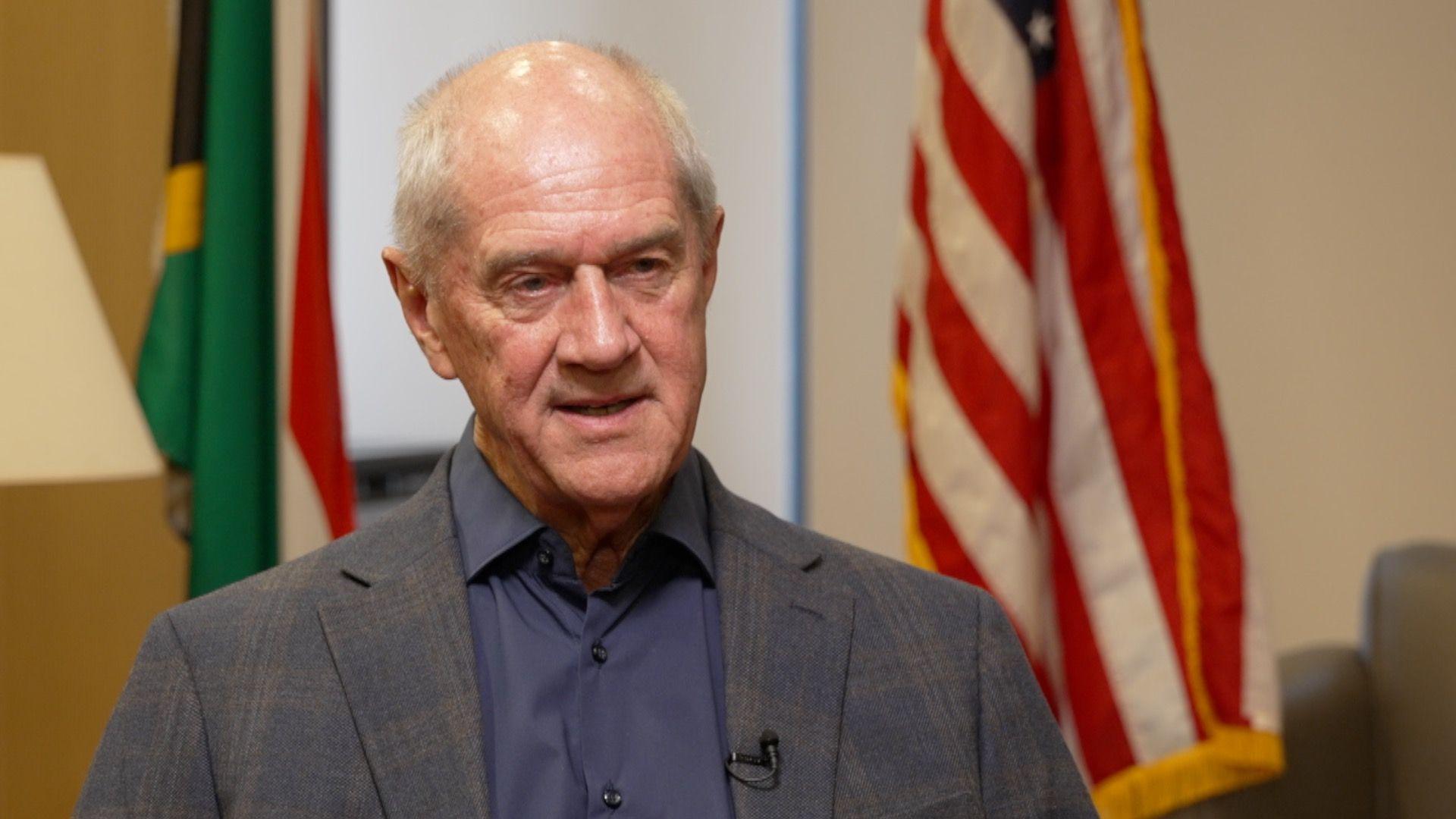
South Africa’s new ambassador to Washington, Roelf Meyer, said in a BBC interview that allegations of a white genocide in South Africa are baseless. A former mediator in the end of apartheid, Meyer highlighted that the country has no data supporting mass attacks on Afrikaners and criticized the Trump administration’s refugee pathway for Afrikaners. He urged that U.S. concerns focus on broader crime trends, especially in black townships, and called for constructive dialogue. His statements come amid ongoing U.S. visa restrictions and a growing debate over a farm‑attack narrative in South Africa.
South Africa’s new envoy to Washington, Roelf Meyer, brushed off former U.S. President Donald Trump’s assertion that a genocide is underway against white Afrikaners. Meyer, who was a key negotiator in ending the country’s apartheid regime, said the claim had no factual basis and that he could speak authoritatively as a “born Afrikaner”.
In a BBC interview, Meyer highlighted a lack of evidence for widespread attacks on white families on South Africa’s farms, noting that police data shows the majority of farm victims are black. He added that presenting Afrikaners as a persecuted minority would divert attention from the country’s broader crime problem, especially in black townships, where homicides outnumber farm attacks by a wide margin.
The Trump administration has introduced a refugee pathway for Afrikaners, admitting nearly 13,000 applicants since last year, all but three of whom are South Africans. Critics, including some Afrikaner leaders, say the programme opens the door for people who may not meet legal refugee criteria, potentially undermining resources meant for war refugees.
In response, Meyer urged the U.S. to revoke the executive order driving the Afrikaner refugee scheme and to focus on practical crime‑fighting resources, such as rapid‑response equipment and support for South Africa’s policing efforts. He called for a return to engagement on the ground rather than one‑sided rhetoric in Washington.
Meanwhile, Afrikaner activists have organized vigils in Washington’s National Mall, laying white crosses to commemorate alleged farm‑attack victims. Meyer critically noted this external protest lacks impact if there are no substantive actions taken within South Africa to address security concerns.
As the debate continues, South African officials stress that the country has never barred people from leaving and that it is committed to addressing crime, including through involvement in international cooperation on law‑enforcement.


